
Kaizen Success Stories
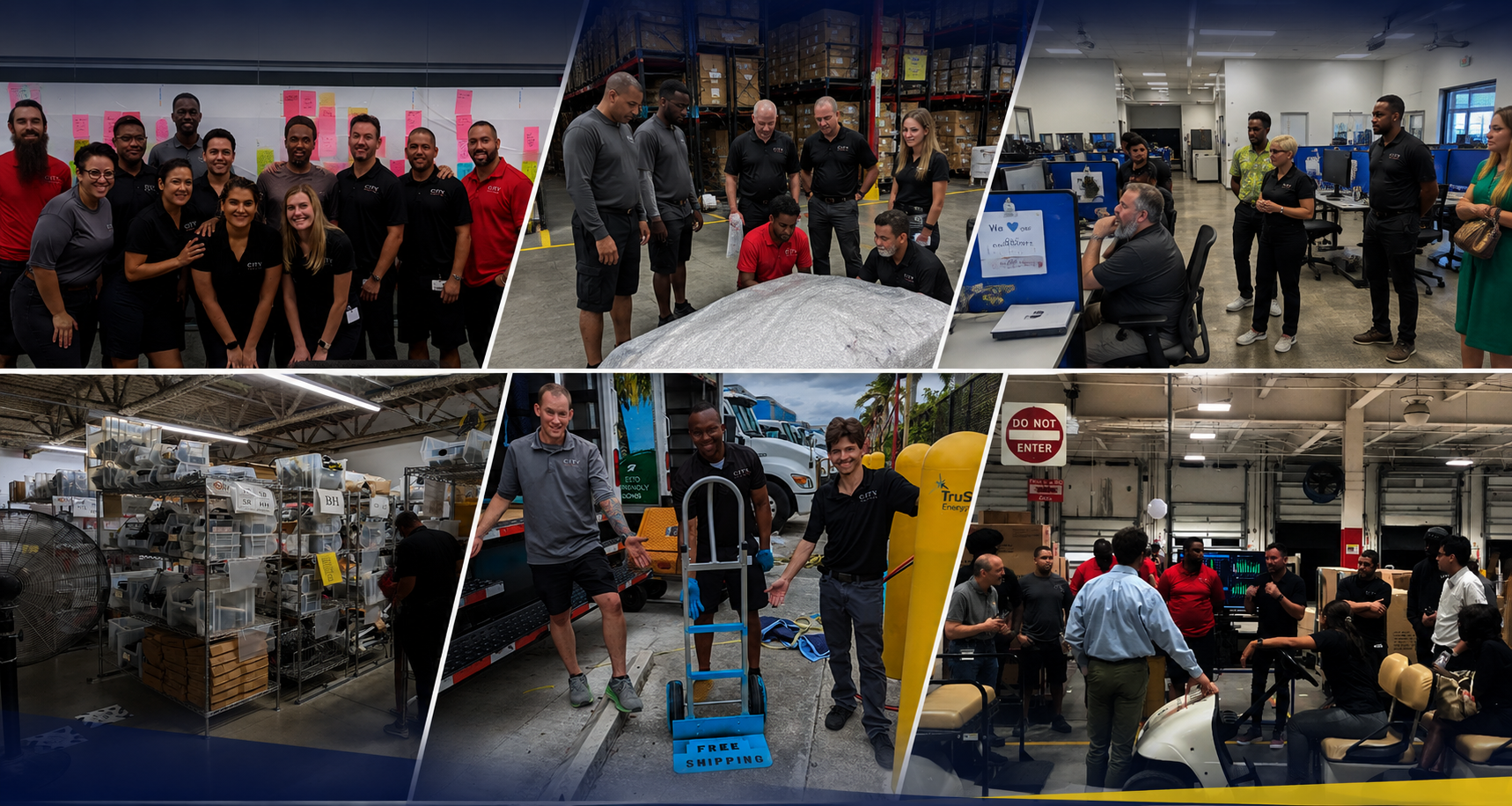
Real Manufacturing Results. One Kaizen at a Time
Explore real-world Kaizen success stories showing how manufacturing teams solved critical problems, improved performance, and created sustainable results.
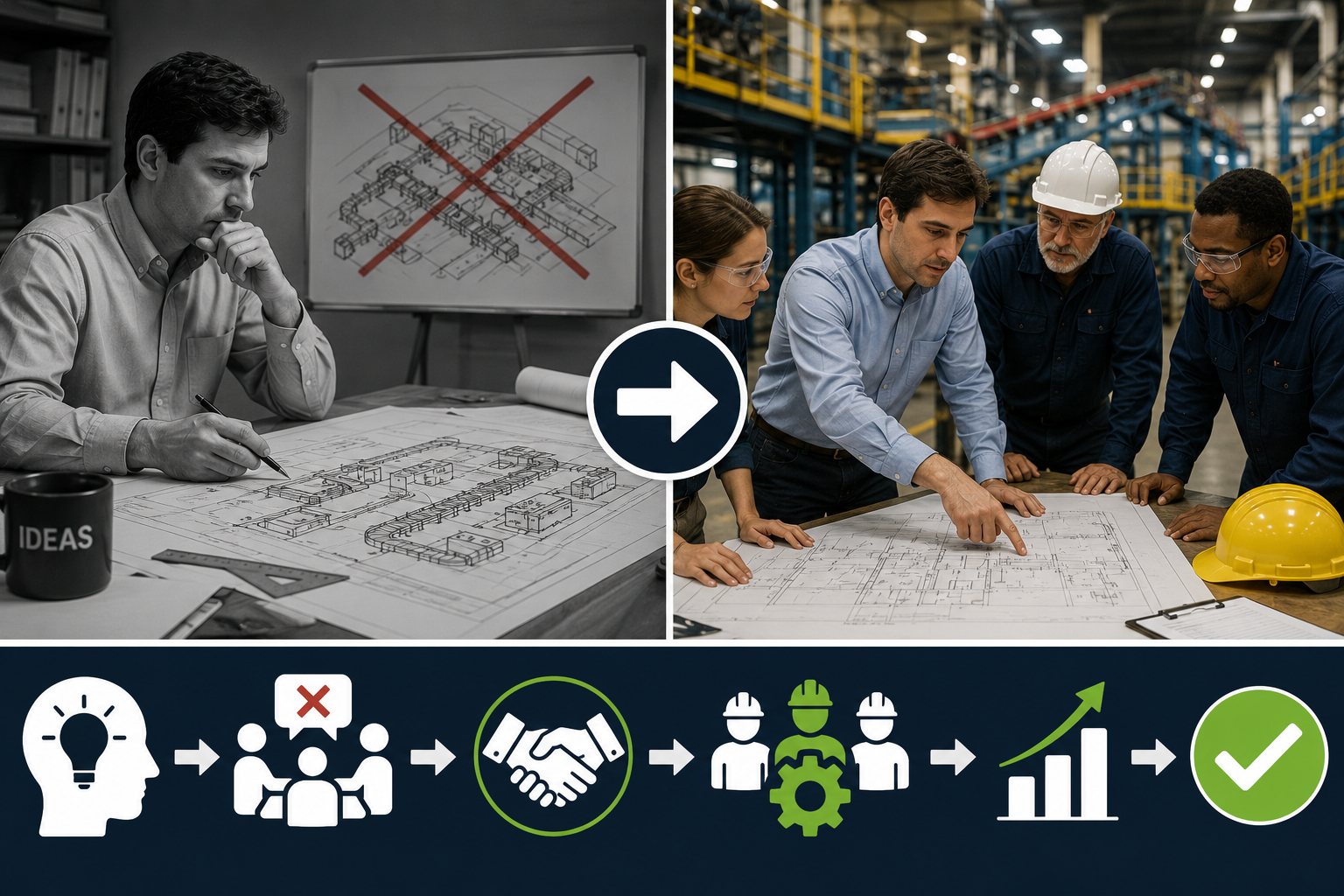
When My Design Didn't Win
I believed I had designed a better solution. Leadership chose a different direction. What happened next taught me one of the most valuable leadership lessons of my career: once the decision is made, your job is no longer to be right, it's to help the team succeed.
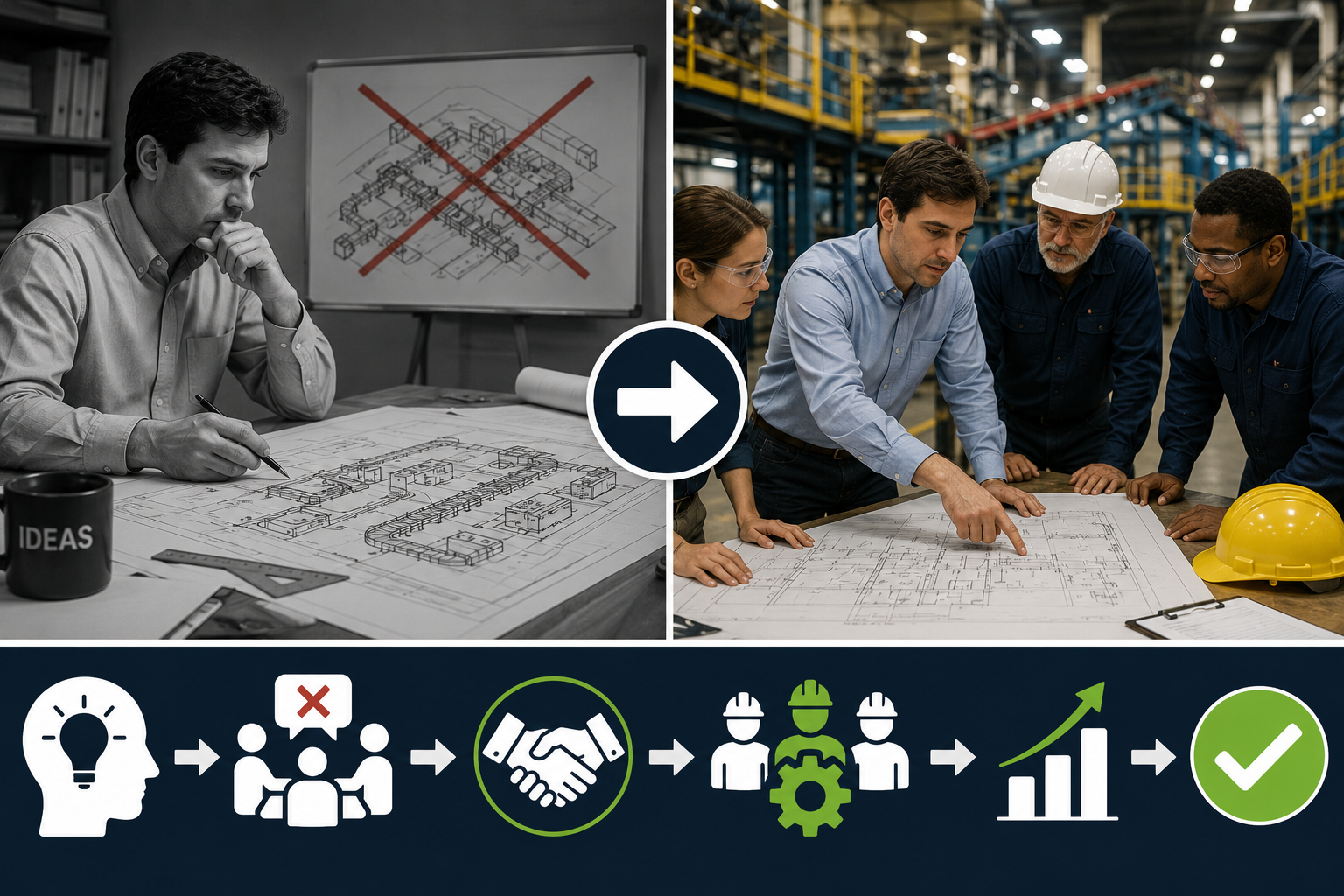
Kaizen Snapshot
Setting: Armstrong World Industries – Pensacola Integration Project
Challenge: Help redesign and integrate multiple production lines into a single-flow manufacturing system while supporting a design direction I didn't believe was the best option.
Stakes: Millions of dollars in capital investment, worker safety, operational flow, changeover efficiency, and long-term plant performance.
Approach: Challenge the proposed design with a thoughtful alternative, support leadership's final decision, and focus on making the chosen solution as successful as possible.
Outcome: The integrated production system launched successfully, numerous changeover improvements were implemented, and several innovations were later adopted at other Armstrong facilities.
Key Lesson: Great leaders aren't defined by whether their ideas are selected. They're defined by what they do after the decision has been made.
When My Design Didn't Win
The Situation
Early in my career as a Corporate Industrial Engineer for Armstrong World Industries, I was invited to join one of the company's largest manufacturing redesign efforts.
Known as the Pensacola Integration Project, the initiative would connect multiple production lines into a single, continuous flow system at the Pensacola, Florida plant. Instead of moving product in batches between disconnected operations, the new design would allow material to flow much more smoothly through the manufacturing process.
It was an exciting project. It was also one where I quickly developed a different opinion than the rest of the design team.
What Was Getting in the Way
As the engineering team refined the layout, one section of the proposed design concerned me. I believed there was a safer, simpler, and more efficient way to accomplish the same objective. Rather than quietly disagreeing, I shared my concerns with the project manager and the plant's Industrial Engineering manager. To their credit, they listened.
Although the project was already well underway, they encouraged me to develop an alternative layout and present it to the leadership team. Over the next several weeks, I invested significant time refining what I believed would create better flow, improve safety, and reduce the need for elevated platforms throughout that section of the plant.
Eventually, I had the opportunity to present my proposal. Leadership appreciated the effort. They liked portions of the concept. But after careful consideration, they chose to stay with the original design.
The Decision
I'll be honest, I was disappointed. Like many engineers early in their careers, I was passionate about my ideas and believed they would create a better result. But I also recognized something important. Leadership had listened. They had seriously considered my recommendation. They simply made a different decision. At that moment, my responsibility changed.
Until that meeting, my job had been to improve the design. After that meeting, my job became making the chosen design as successful as possible.
What We Did
Once the decision was made, I stopped trying to convince people to revisit the debate. Instead, I redirected all of my energy toward improving the selected design. Working alongside the project team, we simplified work areas, improved changeover methods, and identified ways to make the new production system safer and easier for operators.
I was also given responsibility for designing changeover equipment that would support the new integrated manufacturing process. Rather than dwelling on the design that wasn't selected, I focused on making the design that was selected perform as well as it possibly could.
The Breakthrough
Something unexpected happened. Once I let go of proving my idea was better, I became a stronger contributor to the project. Instead of dividing the team by continuing yesterday's debate, we became united around tomorrow's success. The energy shifted from defending decisions to improving execution. And that's where the real breakthroughs occurred.
Several of the changeover improvements our team developed during the project proved so effective that they were later adopted at other Armstrong manufacturing facilities.
What Changed
When the integrated production system finally started up, the project was successful. The new manufacturing flow performed well. Operators appreciated many of the improvements incorporated into their daily work. The changeover innovations created during the project continued spreading throughout the company's manufacturing network.
Looking back, I'm proud of the design I proposed. But I'm even more proud of the decision I made after it wasn't selected. That lesson has stayed with me throughout my career.
The Takeaway
Every leader will eventually experience the same moment. You present your best idea. Leadership chooses another direction. At that point, you have a choice.
Continue fighting yesterday's decision or become fully committed to making today's decision successful. Alignment often creates more value than proving you were right.
Why This Matters
Many organizations lose momentum because people continue debating decisions that have already been made. Healthy disagreement is valuable. Strong debate produces better thinking.
But once leadership has listened, evaluated the options, and chosen a direction, organizational success depends on everyone pulling together. The strongest leaders aren't the ones whose ideas always win. They're the ones who help the team win even when the final decision isn't their own.
That lesson shaped the way I've approached leadership, Kaizen facilitation, and organizational transformation ever since.
Ready to Build Greater Leadership Alignment?
The biggest obstacles to transformation are rarely technical. More often, they're organizational. When leaders align around a shared direction and commit to making it successful, teams move faster, collaborate better, and sustain improvements longer.
If you're looking to strengthen leadership alignment before your next major initiative, let's start with a Breakthrough Assessment and identify the opportunities that will have the greatest impact.
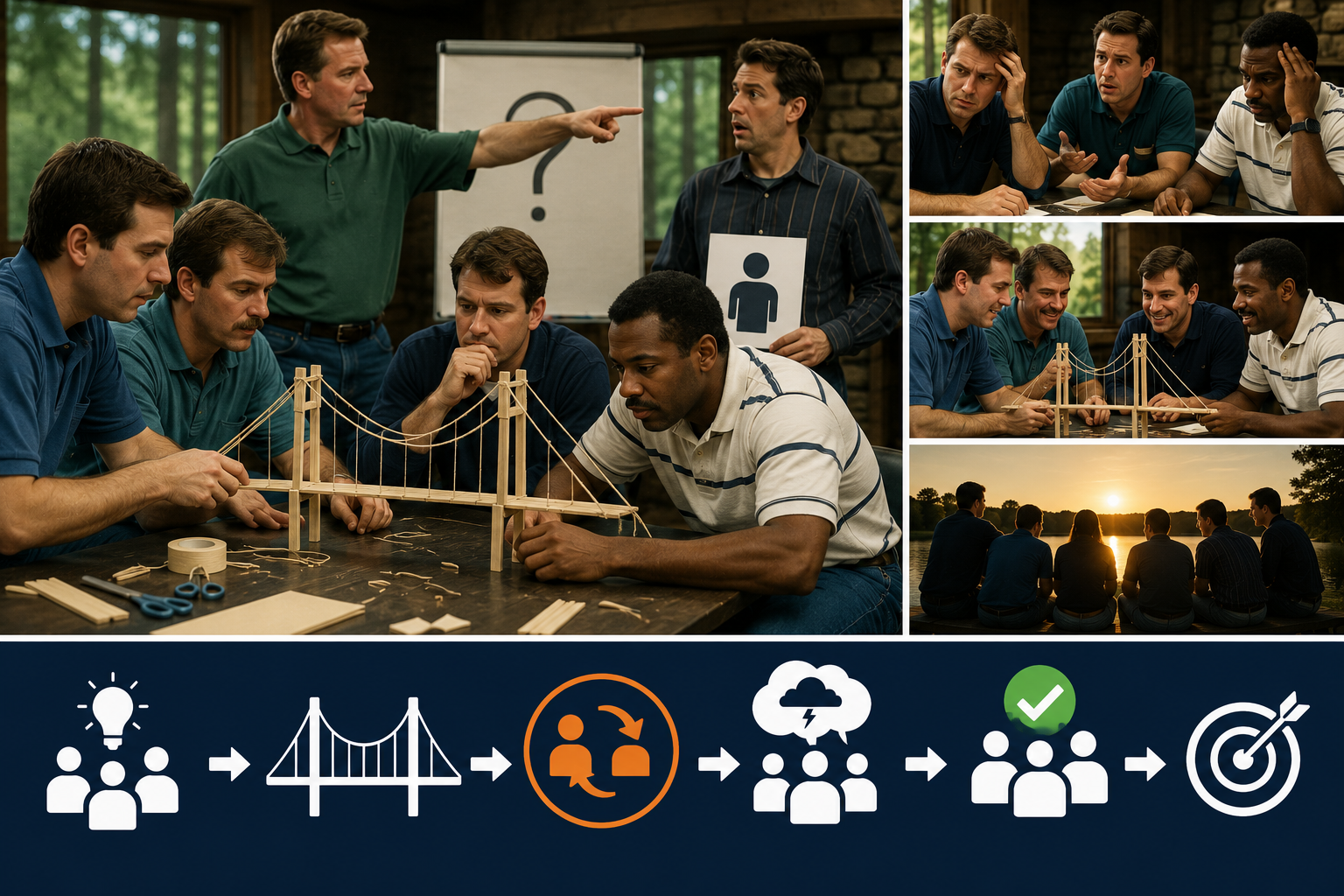
The Week They Kept Moving the Goalposts
I expected a week of management training. Instead, I spent five days having the rules changed, my plans disrupted, and my assumptions challenged. It became one of the most valuable leadership lessons of my career and one that still shapes every Kaizen event I facilitate today.
Kaizen Snapshot
Setting: Worthington Armstrong Venture (WAVE) management development program
Challenge: Learn a new management philosophy through a week of constantly changing, unpredictable team exercises.
Stakes: Develop leadership skills, adapt to a new corporate culture, and learn how to lead effectively when plans don't go as expected.
Approach: Experiential learning, team challenges, unexpected changes, and continuous reflection instead of traditional classroom instruction.
Outcome: A completely different perspective on leadership, teamwork, and facilitation, one that has influenced every Kaizen event and leadership workshop I've led since.
Key Lesson: Great leaders don't avoid uncertainty. They learn to thrive in it.
The Week They Kept Moving the Goalposts
The Situation
A little over a year after becoming a plant supervisor at a small Armstrong World Industries facility near Chicago, my career took an unexpected turn. Armstrong and Worthington Steel formed a joint venture called the Worthington Armstrong Venture (WAVE), and I was transferred to a larger manufacturing facility near Baltimore as the Industrial Engineer and Quality Manager.
As the new organization began adopting Worthington's culture, I was selected to attend the company's management development program. I expected a typical week of management training with classrooms, lectures, overhead transparencies (no Power Point at the time), and a few role-playing exercises.
Instead, I found myself living at a camp in Ohio with managers from across the company. It wouldn't take long to realize this wasn't going to be anything like the management training I had experienced before.
What Was Getting in the Way
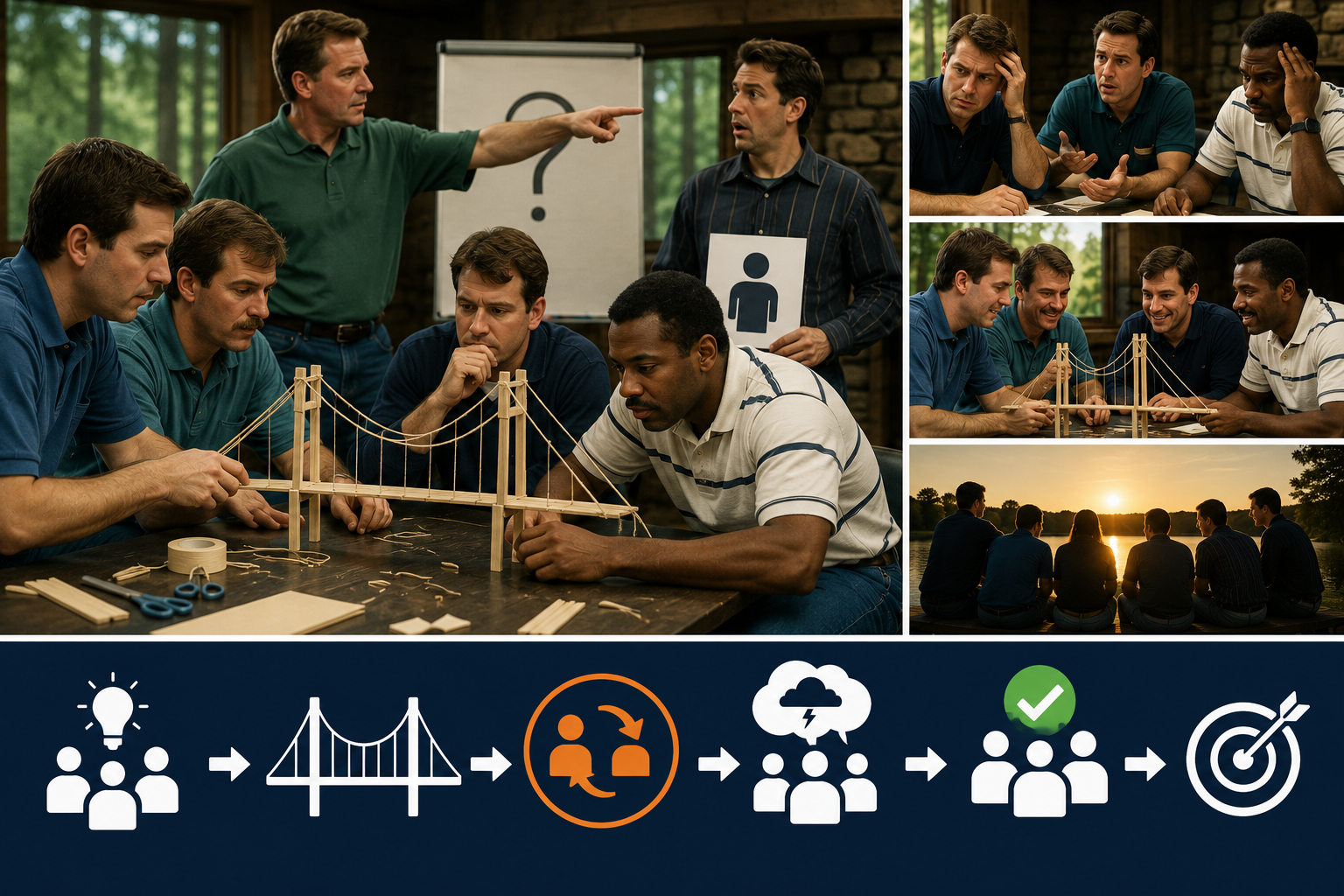
The first exercise seemed straightforward. Our team was asked to design and build the best suspension bridge possible using a limited set of materials. Like any engineering team, we quickly organized ourselves, assigned responsibilities, and developed a plan.
Then everything changed. About fifteen minutes into the exercise, an instructor walked into the room. Without warning, our team leader was removed. Someone we had never met was assigned to replace him. We weren't allowed to start over. We simply had to adapt. At first, it felt frustrating, then confusing, then interesting.
What We Did
As the week continued, the pattern repeated itself. Every time we thought we understood the assignment the rules changed, the team changed, the priorities changed, or the circumstances changed.
Every exercise included an unexpected twist. Eventually, our conversations shifted. Instead of asking, "Why do they keep doing this to us?" we began asking, "What are they trying to teach us this time?"
Without realizing it, we stopped expecting stability. We started expecting change. Something remarkable happened. We became much better at helping one another navigate uncertainty.
The Breakthrough
By the middle of the week, I realized this wasn't management training. It was adaptability training. The instructors weren't evaluating our original plans. They were watching how we responded after those plans stopped working.
Some participants struggled whenever a curveball appeared. Others became frustrated when their carefully constructed plans suddenly unraveled. I found myself naturally stepping into a different role. Helping people regroup, refocus, stay calm, and remember the real objective.
The goal had never been to build the perfect bridge. The goal had been learning how to lead when the unexpected happened.
What Changed
Looking back, that week changed the way I viewed leadership. It taught me something I've carried throughout my career. No matter how well you prepare, something will change. A key leader won't be available. Equipment will fail. Priorities will shift. Weather will interfere. Someone will challenge the plan.
The organizations that succeed aren't the ones that avoid those moments. They're the ones that adapt to them. That lesson has shaped every Kaizen event, workshop, and leadership engagement I've facilitated ever since.
The Takeaway
Today, people sometimes ask why I stay so calm when something unexpected happens during a Kaizen event. The answer goes back to that week in Ohio. I've learned that the plan is never the goal. Learning is the goal. The plan is simply where you begin.
Why This Matters
Organizations spend enormous amounts of time developing detailed plans. Planning is important. But no plan survives unchanged once real people, real equipment, and real business pressures enter the picture.
The strongest teams don't panic when circumstances change. They adjust. They learn. And they keep moving toward the objective together. That's one of the most valuable leadership skills any organization can develop.
Ready to Build Teams That Thrive Through Change?
Transformation rarely follows a perfectly written script. The organizations that consistently improve are the ones that develop leaders who remain calm, keep people aligned, and adapt quickly when the unexpected happens.
Whether through a Breakthrough Assessment, a Kaizen event, or leadership development, building that capability may be one of the greatest competitive advantages your organization can create.
One of my favorite sayings today is: "It's not a great Kaizen unless something goes sideways." I don't say that because I expect failure. I say it because some of the greatest breakthroughs begin the moment the original plan no longer works.