
Kaizen Success Stories
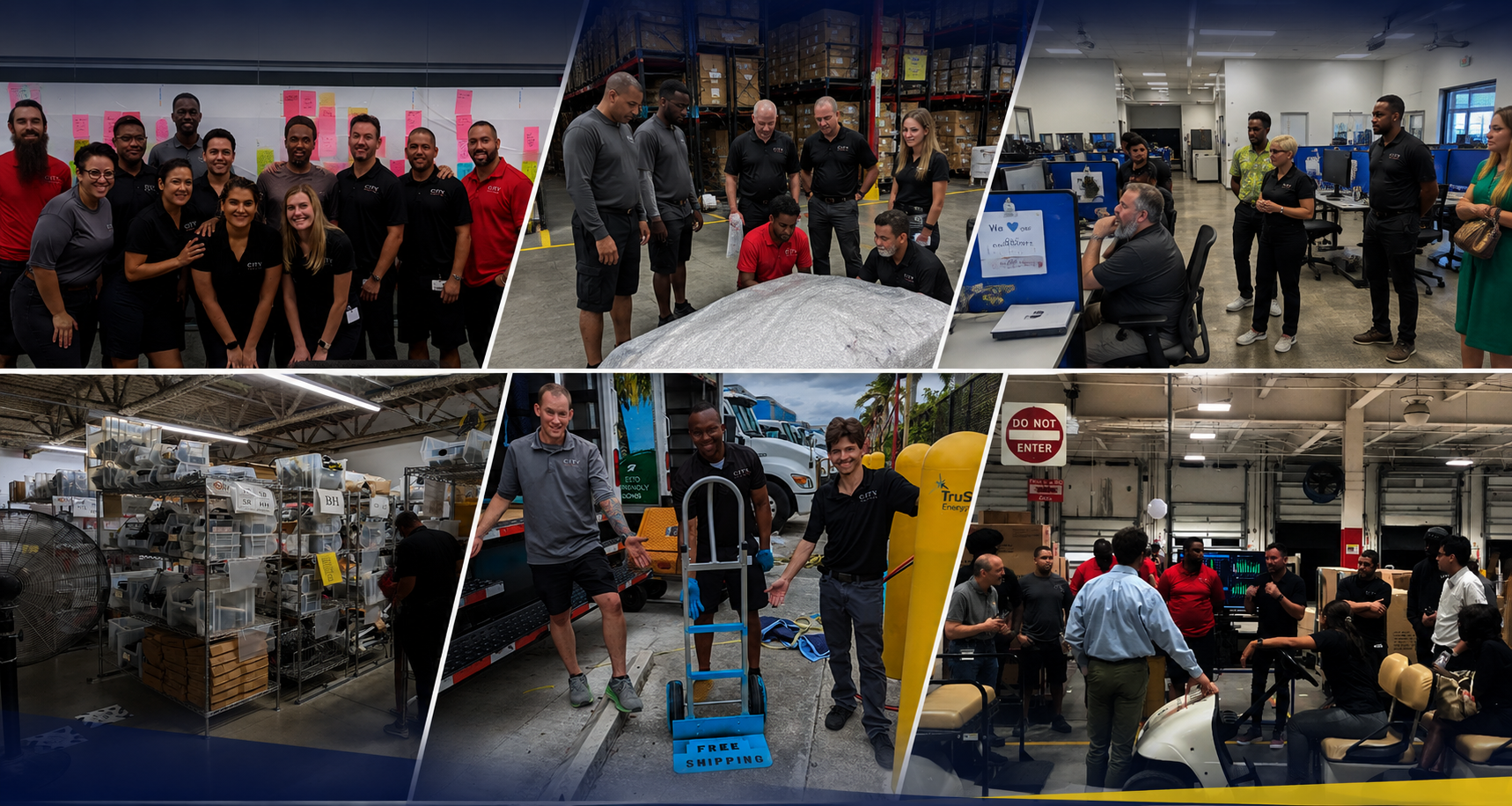
Real Manufacturing Results. One Kaizen at a Time
Explore real-world Kaizen success stories showing how manufacturing teams solved critical problems, improved performance, and created sustainable results.
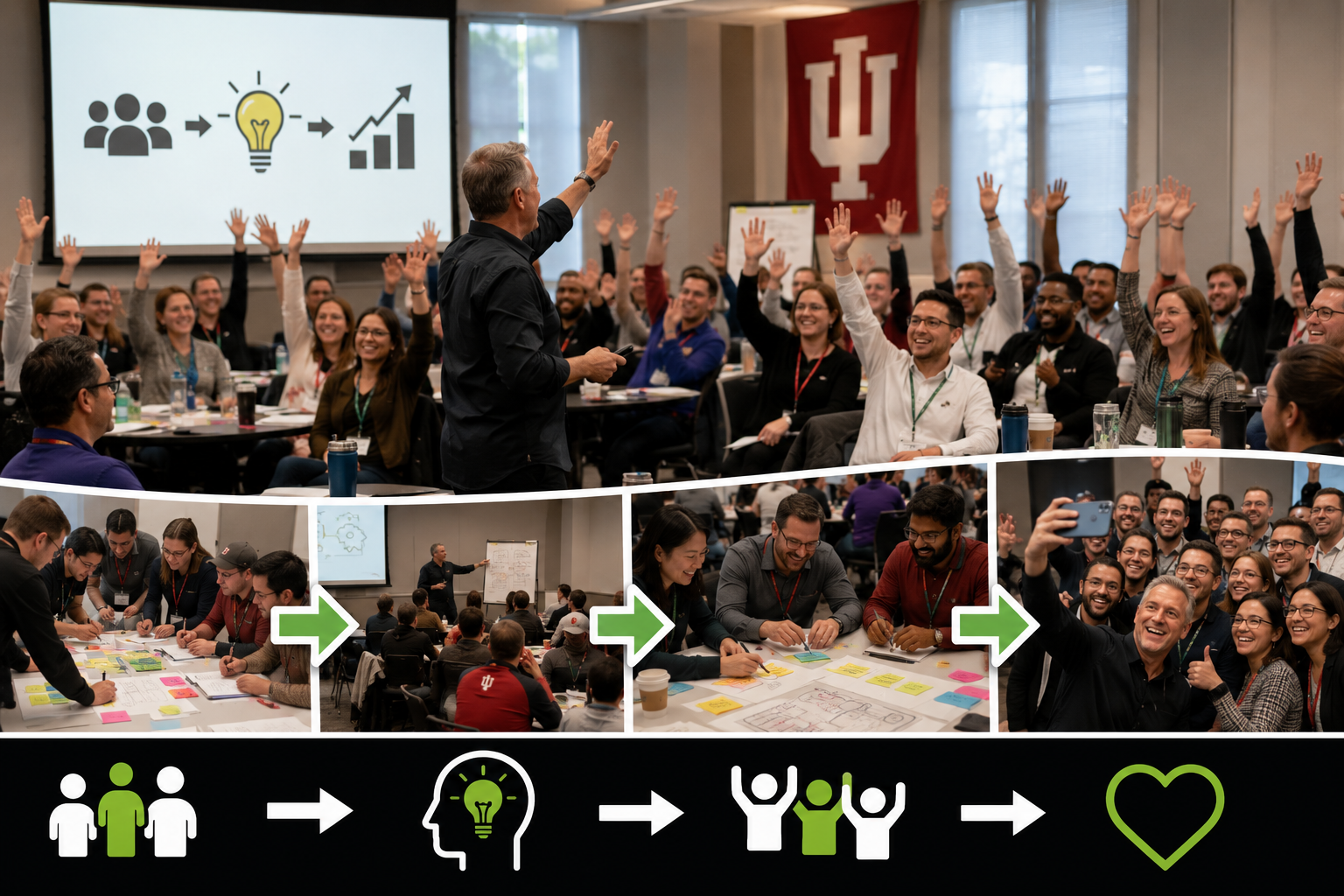
The Audience That Wouldn’t Leave
Conference attendees were free to come and go throughout the day. Instead, most stayed for every workshop. Discover how interactive facilitation transformed a room full of strangers into a learning community that didn't want the day to end.
Kaizen Snapshot
Setting: 2025 Global Lean Summit at Indiana University
Challenge: Deliver five highly interactive Lean workshops to a changing audience while keeping participants engaged throughout an entire day.
Stakes: Create meaningful learning experiences, maintain energy across multiple sessions, and adapt as new attendees joined while others chose to stay.
Approach: Activity-based facilitation, storytelling, experiential learning, and progressively building Lean concepts throughout the day.
Outcome: Most participants stayed for nearly every workshop, engagement increased with each session, lasting relationships were built, and one participating organization later invited me to perform a Breakthrough Assessment with plans for a Value Stream Mapping engagement.
Key Lesson: The best learning experiences don't end when a presentation is over—they inspire people to stay for the next one.
The Audience That Wouldn't Leave
The Situation
For the fifth consecutive year, I was invited to participate in the Global Lean Summit hosted by Jared and Anna Thatcher. The 2025 Summit was held at Indiana University and brought together Lean practitioners, leaders, consultants, and students from across the country for three days of learning and collaboration.
On the second day of the conference, most attendees would travel to Toyota Material Handling for a plant tour. For those remaining on campus, including university students, I was asked to lead four interactive workshops while fellow presenter Karil Sampson delivered a fifth.
It sounded like a full day. I had no idea how memorable it would become.
What Was Getting in the Way
Teaching one workshop is energizing. Teaching five in a single day is a different challenge. Each presentation needed to stand on its own while also building on the ideas from earlier sessions.
Adding another layer of complexity, I expected people to rotate in and out throughout the day. That meant constantly introducing new participants while trying to keep returning attendees engaged. It would require more than simply delivering presentations. It would require creating an experience.
What We Did
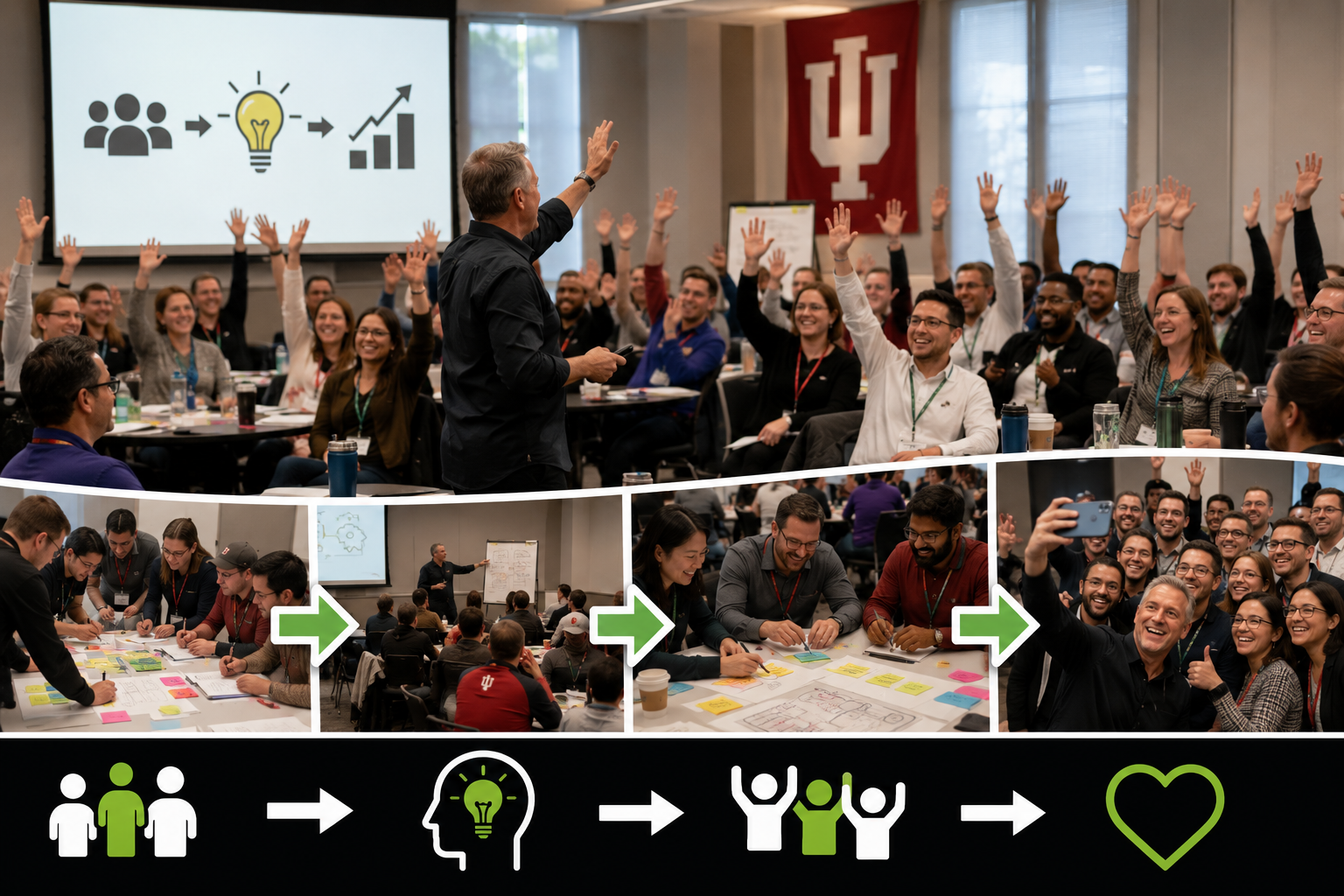
The day began with Chartering to Win, exploring how leaders create alignment before launching improvement efforts. Rather than lecturing, I filled the room with activities. People stood up. Worked together. Wrote on flip charts. Shared ideas and laughed. When the session ended, I assumed most people would head off to something else. Instead, many of them stayed.
The next workshop was Facilitate Like a Ninja, where participants practiced techniques for engaging teams, generating ideas, and creating energy during improvement events. Again, I expected the audience to change. Again, they stayed.
After lunch, Karil delivered an outstanding workshop on Root Cause Problem Solving while I recorded his presentation so he could use it in the future. By then, something had changed. The room no longer felt like a collection of conference attendees. It felt like a team. We were taking selfies. Recording videos. Laughing together between sessions. People who had been strangers that morning were now learning from one another.
The Breakthrough
The fourth workshop focused on the Wheel of Sustainability and Sustainable Leadership. As more students joined throughout the day, I found myself repeatedly reviewing introductory concepts to help newcomers catch up. I thought I was helping.
The returning participants taught me something. Their feedback was simple: "You don't have to keep starting over." They already understood the foundations. They were ready to move forward. It was a valuable reminder that great facilitators don't just pay attention to who's arriving. They also recognize when people are ready for the next challenge.
What Changed
The final workshop covered Value Stream Mapping. One of my favorite exercises asks teams to map the process of making a peanut butter and jelly sandwich. It sounds simple. It never is.
By this point, the audience knew the rhythm. They understood the activities. They anticipated the questions. In fact, during portions of the workshop, participants were practically presenting the material alongside me. The conversations became richer. The collaboration became stronger.
The room had transformed from a group of individuals into a genuine learning community. Watching that happen was every bit as rewarding as delivering the presentations themselves.
The Moment That Said It All
When the final workshop ended, I was exhausted. Five workshops in one day. Hundreds of conversations. Dozens of activities.
But what stayed with me wasn't the fatigue. It was the realization that people had chosen to stay session after session.Not because they had to. Because they wanted to. As a facilitator, there may not be a greater compliment.
What Changed After the Summit
One of the participating organizations had sent a large group of employees to the Summit. A few weeks later, they invited me to perform a Breakthrough Assessment at their facility.
Our conversations during the Summit had turned into the beginning of a partnership, with plans to follow that assessment with a Value Stream Mapping engagement.
Sometimes the greatest opportunities begin simply by creating an environment where people want to keep learning.
The Takeaway
Great facilitation isn't about delivering information. It's about creating experiences. When people become active participants instead of passive listeners, something remarkable happens. Learning becomes contagious. Ideas spread. Confidence grows. And strangers become teammates.
Why This Matters
Organizations often invest heavily in technical training while overlooking the importance of engagement. People rarely remember every slide from a presentation. They remember how they felt. They remember contributing. They remember solving problems together.
Those experiences are what create lasting learning and lasting change.
Ready to Build More Engaged Teams?
Whether you're developing internal facilitators, strengthening leadership, or looking for an engaging keynote that combines real-world Kaizen stories with practical Lean tools, the right learning experience can create momentum that lasts long after the event ends.
If you'd like to energize your next conference, leadership retreat, or facilitator development program, let's start the conversation.
The Day I Stopped Fixing Barcode Readers
I thought my job was to fix barcode readers. Instead, a warehouse full of employees taught me one of the most important lessons of my career: the best improvements begin by listening to the people doing the work.
Kaizen Snapshot
Setting: Thomasville Furniture corporate warehouses, late 1980s
Challenge: Support an aging barcode inventory system that was becoming increasingly frustrating and inefficient for warehouse employees.
Stakes: Inventory accuracy, warehouse productivity, employee frustration, and making better use of emerging barcode technology.
Approach: Observe the work firsthand, listen to warehouse employees, understand their daily challenges, and redesign the system around their needs rather than the technology.
Outcome: New scanning barcode readers were implemented throughout the warehouse network, inventory work became faster and easier, accuracy improved, and warehouse managers began viewing Industrial Engineering as a partner in solving operational problems.
Key Lesson: The best improvements don't begin by fixing technology. They begin by listening to the people who use it.
The Day I Stopped Fixing Barcode Readers
The Situation
When I graduated from Virginia Tech with a degree in Industrial Engineering, I accepted a position as a Corporate Industrial Engineer with Thomasville Furniture in North Carolina. One of my first responsibilities was supporting the company's barcode inventory system across multiple warehouses.
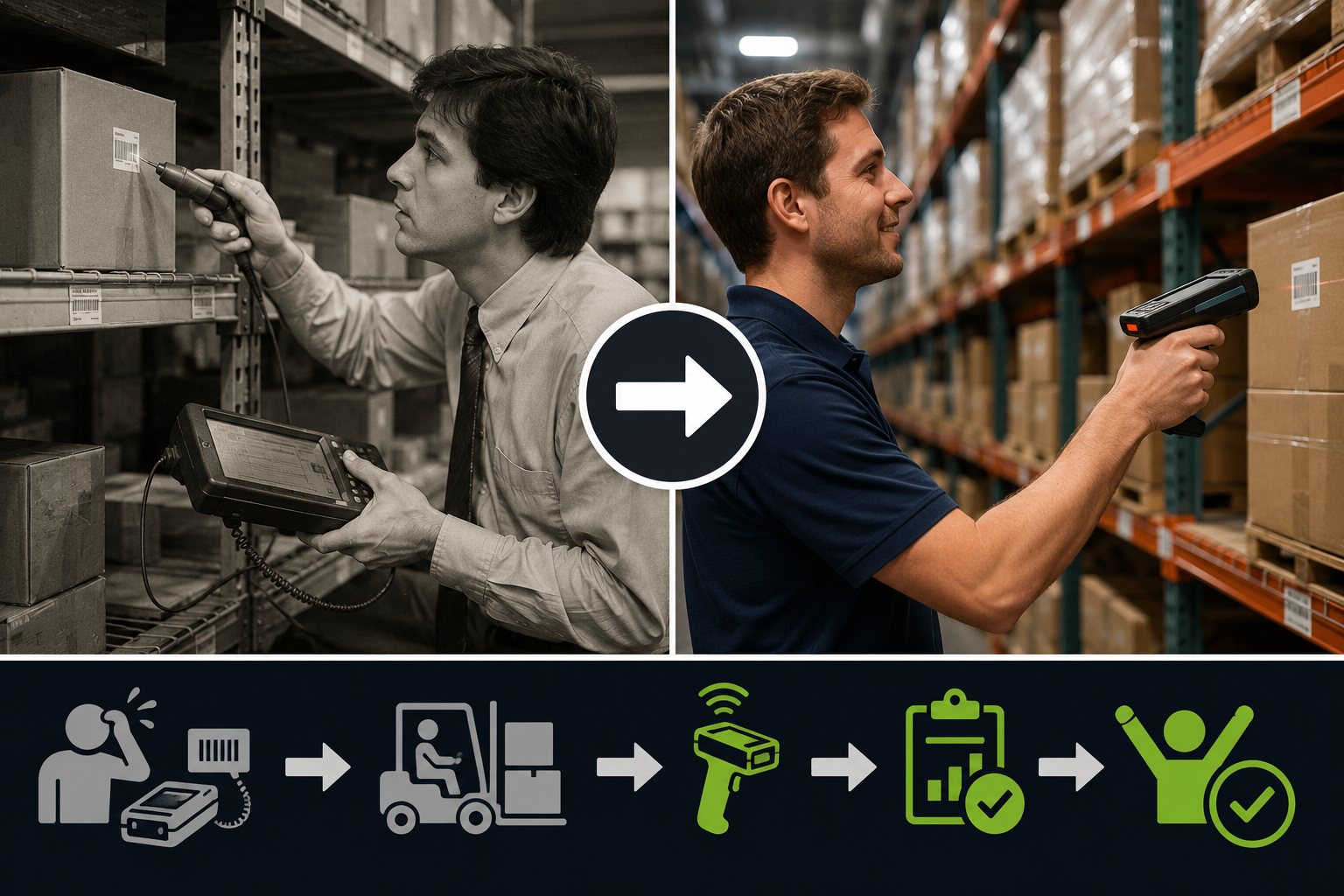
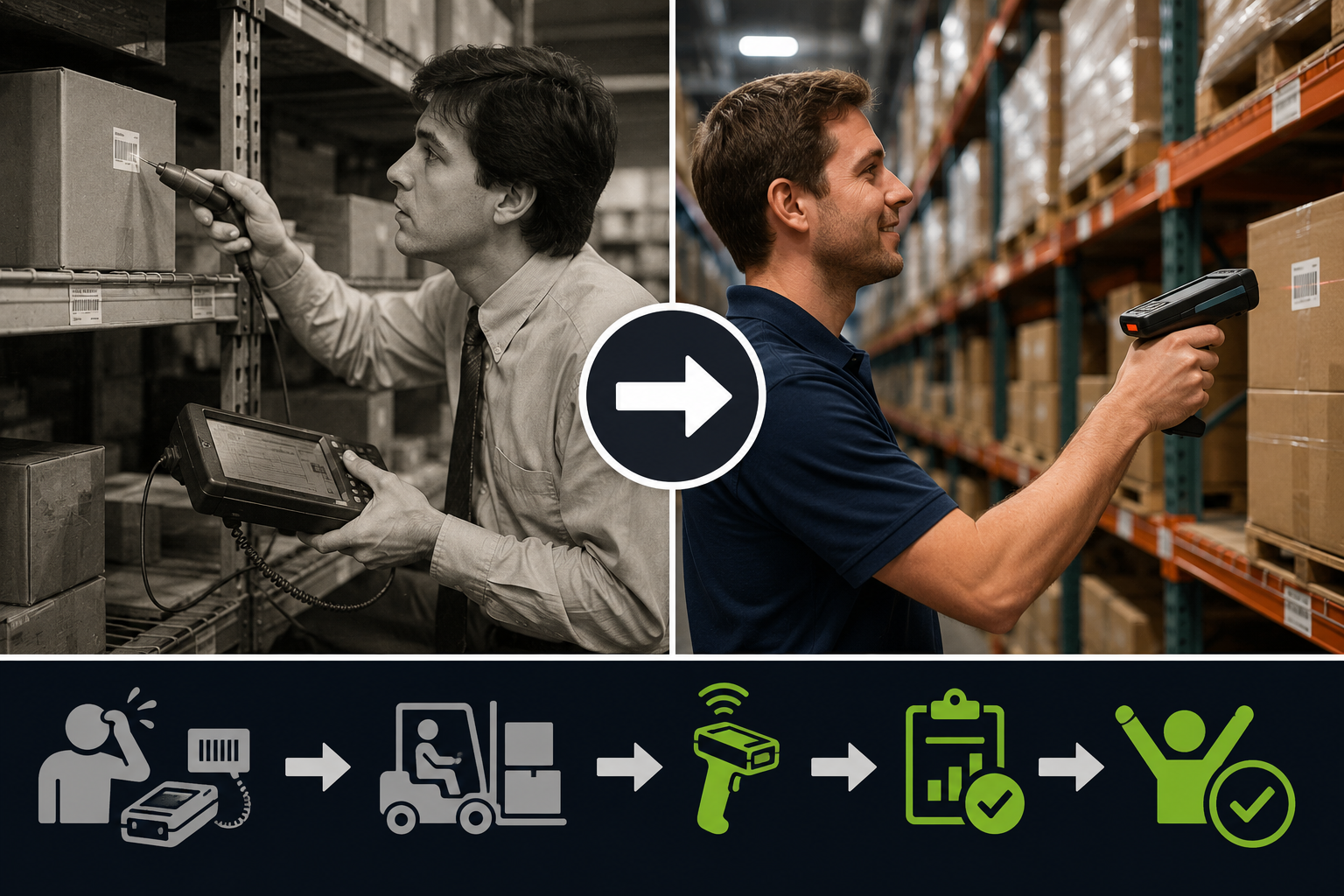
At the time, barcode technology was still in its infancy. There were no wireless scanners. No QR codes. No handheld devices like we know today. Warehouse employees carried readers about the size of a tablet with a cord attached to a lighted wand. To scan a barcode, they had to physically drag the wand across each label.
The engineer before me gave me a quick overview before moving into a leadership role. His advice was practical. "You'll get calls when the readers don't work. Sometimes people don't know how to reboot them or use them correctly. Just help them get back up and running." At first, I thought that was my job. Keep the barcode readers working.
What Was Getting in the Way
Instead of waiting for phone calls, I spent time walking through the warehouses. I watched people receive inventory, move furniture, store products, and retrieve orders. Most importantly, I watched how they actually used the barcode system.
The technology worked, but the work didn't. Employees often had to climb off forklifts or reposition large pieces of furniture simply to touch a barcode with the scanning wand. Sometimes they struggled with the equipment. Other times they struggled with the process itself. One warehouse employee jokingly told me, "This thing is almost like Braille."
He wasn't criticizing the technology. He was describing the experience. That comment stuck with me. The more time I spent in the warehouse, the more I realized I wasn't hearing complaints, I was hearing opportunities.
What We Did
Rather than asking, "How do we fix the barcode readers?" I began asking, "How do we make the inventory process easier?" That simple shift changed everything.
As I researched emerging barcode technology, I discovered a company developing one of the first scanning barcode readers that could read labels from a distance instead of requiring physical contact. Today that sounds ordinary. In the late 1980s, it was anything but. Suddenly, warehouse employees wouldn't have to reposition furniture or climb down from forklifts just to scan a label.
Even better, the new technology opened the door for entirely new capabilities. Instead of simply recording items entering or leaving inventory, we could create additional applications and reports that made warehouse operations more useful and informative. After presenting the opportunity, leadership agreed to invest in the new scanning technology.
The Breakthrough
The scanners solved a problem. Listening solved many more. As employees began using the new equipment, inventory became faster. Accuracy improved. Physical effort decreased. The technology removed frustrations that had quietly become accepted as "just part of the job." But something even more important happened.
Warehouse managers stopped seeing me as the person who fixed barcode readers. They started calling with ideas. "Could we use barcodes to help us do this?" "Would this process work better another way?" Instead of fixing equipment, we were improving systems together.
What Changed
By the time I left Thomasville Furniture, the new scanning barcode readers had been deployed throughout the company's warehouse network. Inventory management had become faster, easier, more accurate, and less physically demanding.
But looking back, those weren't the biggest improvements. The biggest change happened in me. Without realizing it, I had learned one of the most important lessons of my career. The people doing the work usually understand the problems better than anyone else.
If you're willing to spend time where the work happens:
Watch carefully
Ask questions
Truly listen
They'll often tell you exactly where improvement should begin.
The Takeaway
At the time, I thought I was learning about barcode technology. In reality, I was learning something much more valuable. Technology rarely solves the right problem by itself. People do.
The best improvements begin by understanding the work through the eyes of the people doing it every day.
Why This Matters
Organizations often invest in new technology hoping it will solve operational challenges. Sometimes it does. But technology alone rarely creates lasting improvement. Real improvement starts by understanding the frustrations, obstacles, and opportunities experienced by the people closest to the work.
Only then can technology become an accelerator instead of a substitute for good process design. Although I didn't realize it at the time, this early experience became the foundation for how I would approach every Kaizen event, leadership engagement, and improvement effort throughout the rest of my career.
Ready to Discover What Your Team Already Knows?
The people closest to your processes often have the best ideas for improving them. A Breakthrough Assessment helps uncover those opportunities by combining observation, employee engagement, and practical problem solving to reveal improvements that reports and dashboards alone can never find.
Sometimes the answers aren't hiding in the data. They're already being experienced every day by the people doing the work.
The Week They Kept Moving the Goalposts
I expected a week of management training. Instead, I spent five days having the rules changed, my plans disrupted, and my assumptions challenged. It became one of the most valuable leadership lessons of my career and one that still shapes every Kaizen event I facilitate today.
Kaizen Snapshot
Setting: Worthington Armstrong Venture (WAVE) management development program
Challenge: Learn a new management philosophy through a week of constantly changing, unpredictable team exercises.
Stakes: Develop leadership skills, adapt to a new corporate culture, and learn how to lead effectively when plans don't go as expected.
Approach: Experiential learning, team challenges, unexpected changes, and continuous reflection instead of traditional classroom instruction.
Outcome: A completely different perspective on leadership, teamwork, and facilitation, one that has influenced every Kaizen event and leadership workshop I've led since.
Key Lesson: Great leaders don't avoid uncertainty. They learn to thrive in it.
The Week They Kept Moving the Goalposts
The Situation
A little over a year after becoming a plant supervisor at a small Armstrong World Industries facility near Chicago, my career took an unexpected turn. Armstrong and Worthington Steel formed a joint venture called the Worthington Armstrong Venture (WAVE), and I was transferred to a larger manufacturing facility near Baltimore as the Industrial Engineer and Quality Manager.
As the new organization began adopting Worthington's culture, I was selected to attend the company's management development program. I expected a typical week of management training with classrooms, lectures, overhead transparencies (no Power Point at the time), and a few role-playing exercises.
Instead, I found myself living at a camp in Ohio with managers from across the company. It wouldn't take long to realize this wasn't going to be anything like the management training I had experienced before.
What Was Getting in the Way
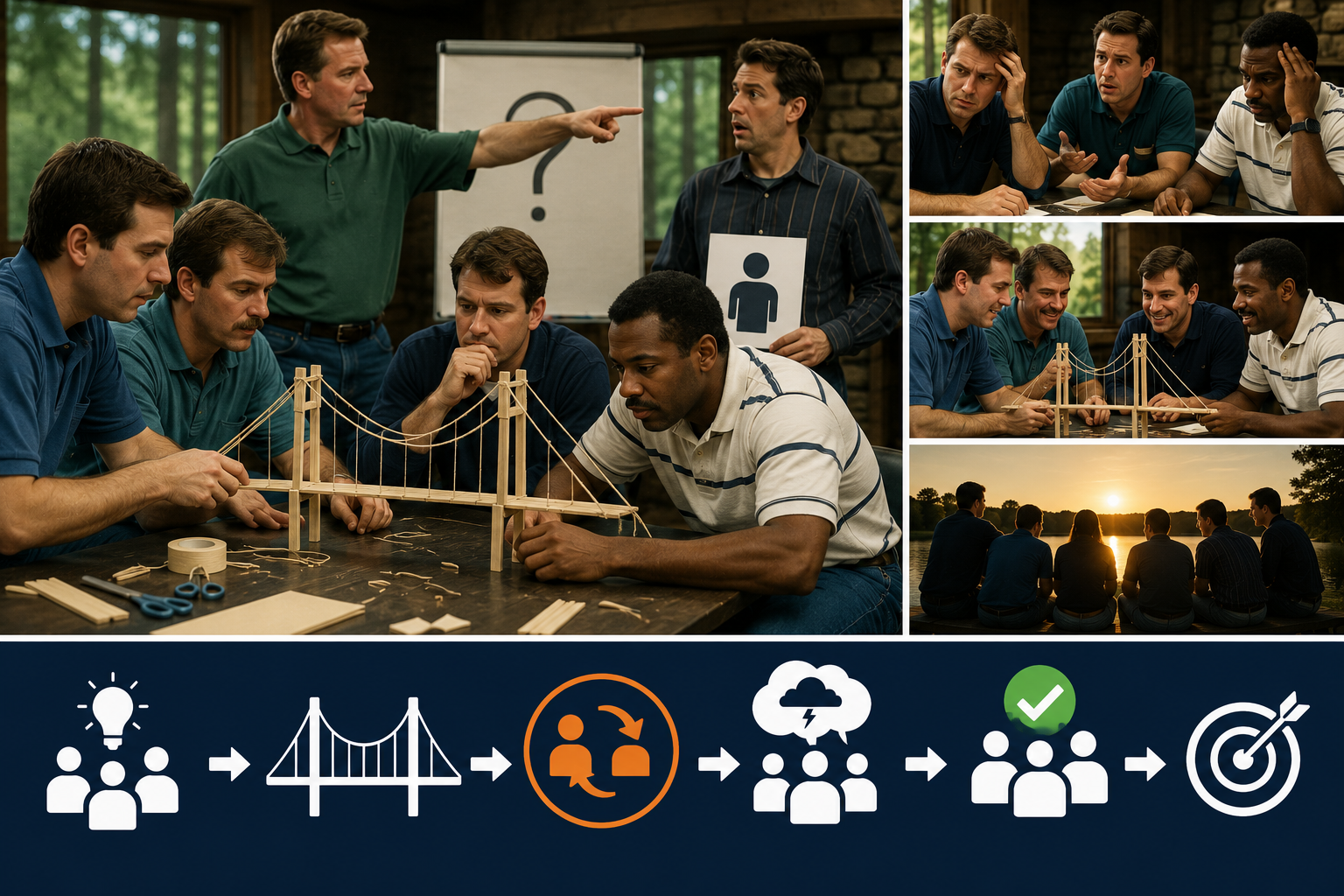
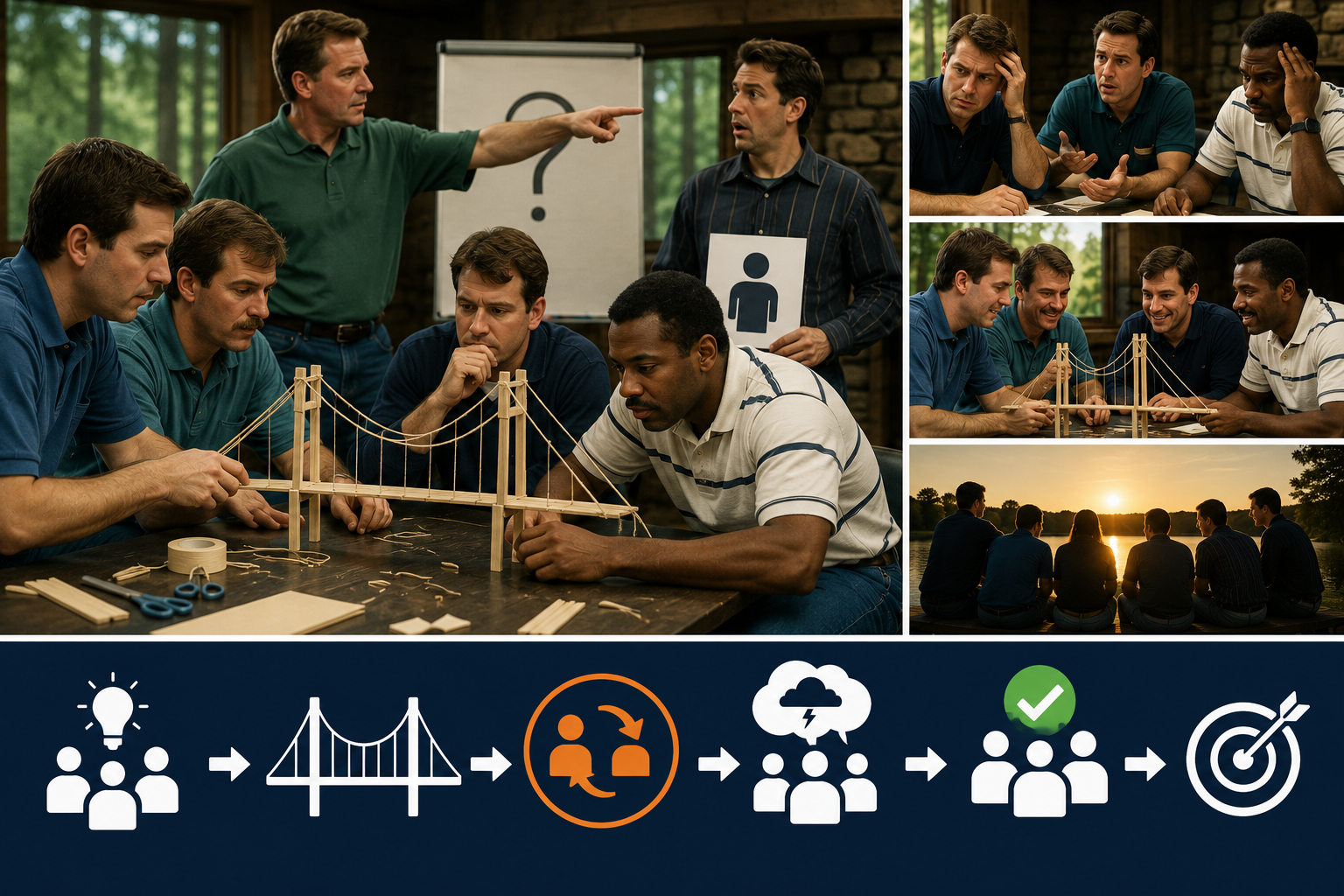
The first exercise seemed straightforward. Our team was asked to design and build the best suspension bridge possible using a limited set of materials. Like any engineering team, we quickly organized ourselves, assigned responsibilities, and developed a plan.
Then everything changed. About fifteen minutes into the exercise, an instructor walked into the room. Without warning, our team leader was removed. Someone we had never met was assigned to replace him. We weren't allowed to start over. We simply had to adapt. At first, it felt frustrating, then confusing, then interesting.
What We Did
As the week continued, the pattern repeated itself. Every time we thought we understood the assignment the rules changed, the team changed, the priorities changed, or the circumstances changed.
Every exercise included an unexpected twist. Eventually, our conversations shifted. Instead of asking, "Why do they keep doing this to us?" we began asking, "What are they trying to teach us this time?"
Without realizing it, we stopped expecting stability. We started expecting change. Something remarkable happened. We became much better at helping one another navigate uncertainty.
The Breakthrough
By the middle of the week, I realized this wasn't management training. It was adaptability training. The instructors weren't evaluating our original plans. They were watching how we responded after those plans stopped working.
Some participants struggled whenever a curveball appeared. Others became frustrated when their carefully constructed plans suddenly unraveled. I found myself naturally stepping into a different role. Helping people regroup, refocus, stay calm, and remember the real objective.
The goal had never been to build the perfect bridge. The goal had been learning how to lead when the unexpected happened.
What Changed
Looking back, that week changed the way I viewed leadership. It taught me something I've carried throughout my career. No matter how well you prepare, something will change. A key leader won't be available. Equipment will fail. Priorities will shift. Weather will interfere. Someone will challenge the plan.
The organizations that succeed aren't the ones that avoid those moments. They're the ones that adapt to them. That lesson has shaped every Kaizen event, workshop, and leadership engagement I've facilitated ever since.
The Takeaway
Today, people sometimes ask why I stay so calm when something unexpected happens during a Kaizen event. The answer goes back to that week in Ohio. I've learned that the plan is never the goal. Learning is the goal. The plan is simply where you begin.
Why This Matters
Organizations spend enormous amounts of time developing detailed plans. Planning is important. But no plan survives unchanged once real people, real equipment, and real business pressures enter the picture.
The strongest teams don't panic when circumstances change. They adjust. They learn. And they keep moving toward the objective together. That's one of the most valuable leadership skills any organization can develop.
Ready to Build Teams That Thrive Through Change?
Transformation rarely follows a perfectly written script. The organizations that consistently improve are the ones that develop leaders who remain calm, keep people aligned, and adapt quickly when the unexpected happens.
Whether through a Breakthrough Assessment, a Kaizen event, or leadership development, building that capability may be one of the greatest competitive advantages your organization can create.
One of my favorite sayings today is: "It's not a great Kaizen unless something goes sideways." I don't say that because I expect failure. I say it because some of the greatest breakthroughs begin the moment the original plan no longer works.