
Kaizen Success Stories
Real Manufacturing Results. One Kaizen at a Time
Explore real-world Kaizen success stories showing how manufacturing teams solved critical problems, improved performance, and created sustainable results.

A Challenging Place to Work
During Armstrong’s Lean transformation, we took many benchmarking trips to learn from companies that were further along in their Lean journeys. One memorable trip included visits to Boeing and Nucor Steel in South Carolina on an extremely hot day in July.
During Armstrong’s Lean transformation, we took many benchmarking trips to learn from companies that were further along in their Lean journeys. One memorable trip included visits to Boeing and Nucor Steel in South Carolina on an extremely hot day in July.
At the Boeing plant, we were amazed by the one million square feet of air-conditioned space where the newest Dreamliners were being assembled. These amazing aircraft were filled with the latest technologies and miles of wiring. Using Lean principles, everything came together in a choreographed way. The area was bright, everyone wore clean clothes, and no one looked like they didn’t know what to do. At the end of the tour, we were escorted through a gift shop and many of our attendees bought souvenirs to take home with them.
Our next stop was Nucor Steel. As we walked into the facility, the environmental contrast with Boeing was stark. It was dark, dirty, and hot. No air conditioning to be found. The Lean approach was almost the same as at Boeing. People were clearly aligned around critical metrics. They were following standard work, and everyone knew what was most important during their workdays.
We entered the furnace control room (which was air-conditioned) and were shown many cameras and monitoring devices that assured the steel wouldn’t have any contaminants. Everyone’s pay and bonus was dependent on the amount of quality tons of steel produced during the day. This aligning metric kept everyone focused on the most important thing their customer valued.
From the control room, I watched a worker on the deck of the furnace wearing a Tyvek suit. He was using a ladle to take a sample of molten steel to test its purity. As hot as it was in the plant, wearing a Tyvek suit had to add to the discomfort of his task. To make matters worse, there was a hole where the molten steel was sampled from. The heat coming off it almost pushed me back when I walked by.
I had to believe this task was one where workers rotated throughout the day, as no one could take the heat for extended periods of time. When I asked our tour guide about the job, he told me it was a high paying position. People in the plant coveted it. They would work anywhere from 8 to 12 hours a day.
I couldn’t believe it was humanly possible to survive a full day doing that job! I would’ve passed out in the first hour. Surely this was a mistake. I was told I could speak with the technician in-between the samples he was taking. My curiosity was strong, and I asked him about his experience. He told me it was his favorite job in the plant. He was assuring their customers were getting the highest quality steel possible. He did admit it was extremely hot, but he was used to it, having worked there for three years. I thanked him and rejoined the tour group, my mind blown.
As we walked out of the plant to our cars, I was struck by the cooling wind outside. It wasn’t until I saw the car register 103 degrees that I realized just how hot it was in the plant and the extreme lengths people go through to do their jobs.
Voice of the COWstomer
In 2014, I attended the Shingo Conference in Ohio. This was my first opportunity to network with and learn from continuous improvement practitioners and leaders from all over the world. I was determined to get as much learning and experience as possible.
In 2014, I attended the Shingo Conference in Ohio. This was my first opportunity to network with and learn from continuous improvement practitioners and leaders from all over the world. I was determined to get as much learning and experience as possible.
Throughout the week, I attended presentations, roundtables, and networking events. By the end of the week, I felt I had acquired as much classroom knowledge as I could handle. I was ready to get away from the conference hall and visit one of three companies that offered benchmarking visits: Goodyear Tire and Rubber, the Cleveland Clinic, and the John Amstutz Dairy. I had heard of the first two. They were world renowned for their application of Lean. But a dairy? I was intrigued. I decided to visit them.
Fifteen other conference-goers boarded a bus for the 1 ½ hour trip to what looked like a typical farm out in the country. At first, it seemed that way. We were met by a farmer in coveralls. He told us how he was applying Lean to his dairy farm, with the help of a consultant. He was initially skeptical that Lean could be applied to his situation and thought all of the automation he had was helping him be as productive as possible.
Through study and observation, they realized that many of the practices on the farm were counter-productive. The automation actually made conditions worse for the cows. In a 24-hour period, they converted the milking parlor (where the cows get milked) to a non-automated system, that was healthier and easier on the cows. The conversion had to be completed quickly, or the cows would get sick from not being milked. It was like a Kaizen event on steroids.
Once the changes were made, production went up, sickness went down, and the cows were able to give milk for a longer period of their lives.
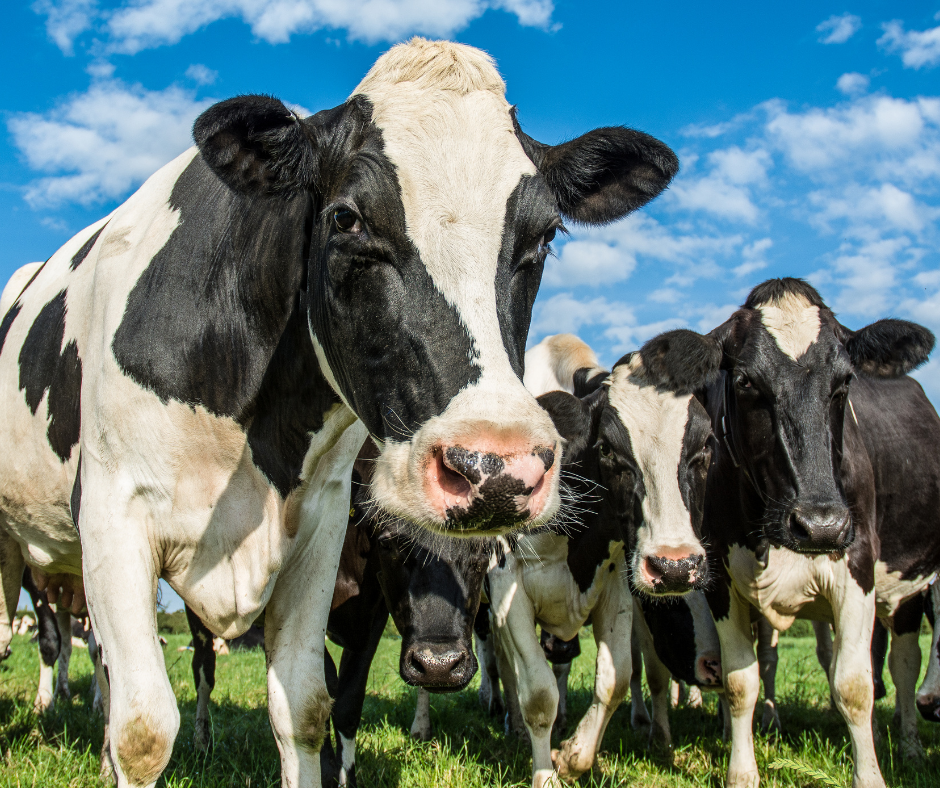
Essentially, they made all changes to optimize the experience for the cows. They found out a number of things from just listening to what their cows had to “say”:
- The straw that the cows were sleeping on was uncomfortable. It was replaced with a softer, recycled material, and the cows got more restful sleep.
- The milking machines were hurting the cows’ udders. When they were attached, the cows would “dance.” This indicated they were in pain.
- Air was being vented poorly and the cows were “complaining” by mooing a lot. The fans were repositioned to move the methane out of the breathing space and the cows calmed down.
Then the farmer said something that I’ll never forget: “Cows don’t lie. They tell you exactly what they think.” That is so true and applies to the customers and people we serve. We should be actively seeking out feedback on the changes we make. If we get the honesty of cows, we’ll design better systems for our customers.