
Kaizen Success Stories
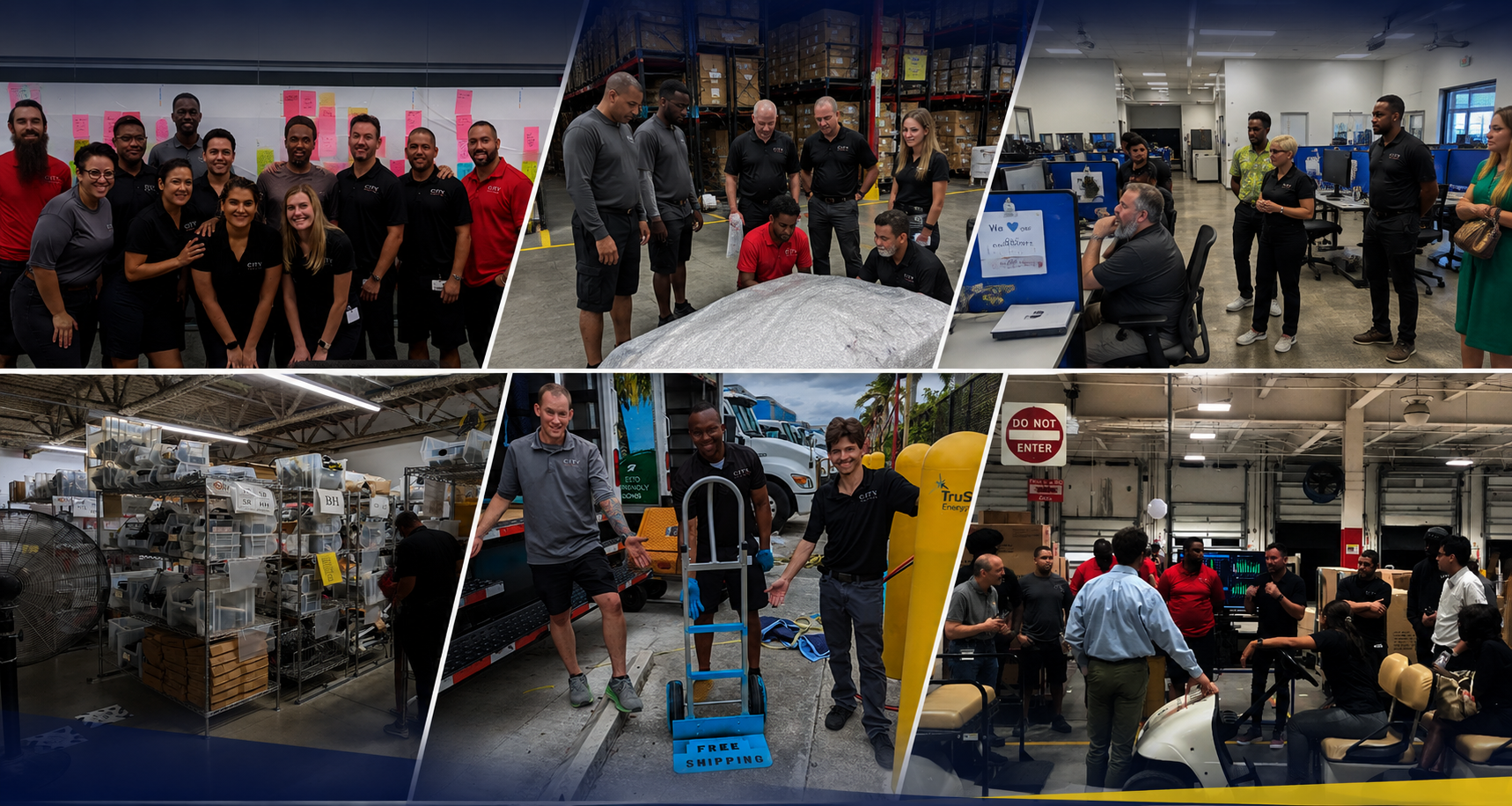
Real Manufacturing Results. One Kaizen at a Time
Explore real-world Kaizen success stories showing how manufacturing teams solved critical problems, improved performance, and created sustainable results.
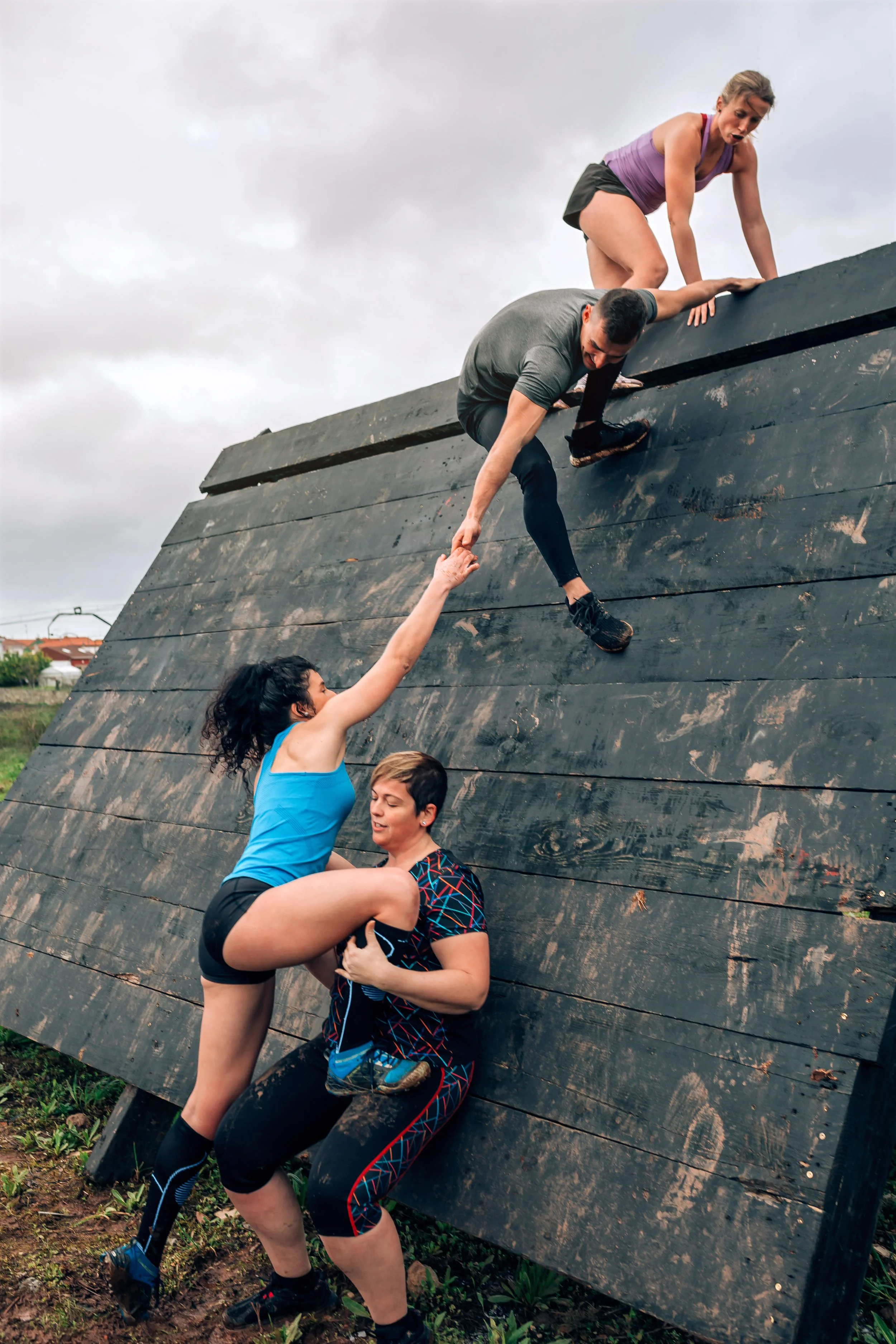
No Barrier Too Big for the Team
We were running a reliability and center lining Kaizen for a vinyl siding plant in Maryland. These events often unlock 5% gains in yield and productivity and drastically reduce safety risks by 90% or more.
It was cold, so cold you could see your breath on the shop floor. Still, the team stayed focused. We spent the first two days teaching principles and establishing a center line for the process, leveling equipment, and planning the rest of the week.
Then, on day three, disaster struck. A critical water line broke, shutting down the fire suppression system. The plant was evacuated. We couldn’t even grab our tools. The event was abruptly canceled.
I left wondering: What would happen to the half-done work? Would the changes help or hurt? Would the team lose momentum?
One week later, the plant was operational again. Two months after the shutdown, we were back. Not only to finish the first line but to tackle a second. We had mostly the same team, plus a few new faces. We did a quick refresher on reliability principles and techniques and then went to Gemba. I was amazed. During the downtime, the team had already improved results using what they’d learned. They were fired up and ready to go.
We deployed most of the team to the new line, which had many of the same reliability issues. A smaller group returned to the first line to finish what we started. Over the next few days, we aligned, leveled, and pinned every critical element on both lines.
By day three, both lines were running better than anyone could remember. We locked in improvements and implemented the Wheel of Sustainability to ensure long-term results.
The approach has now been replicated throughout the plant and across their entire network of four additional sites. Better yet, they’ve built a workforce that believes in improvement and is hungry for more.
Even when the plan falls apart, a committed team can rise to the challenge. Reliability work is about precision and attention to detail. Culture is about perseverance and the drive to get things done.
Go With Your Gut
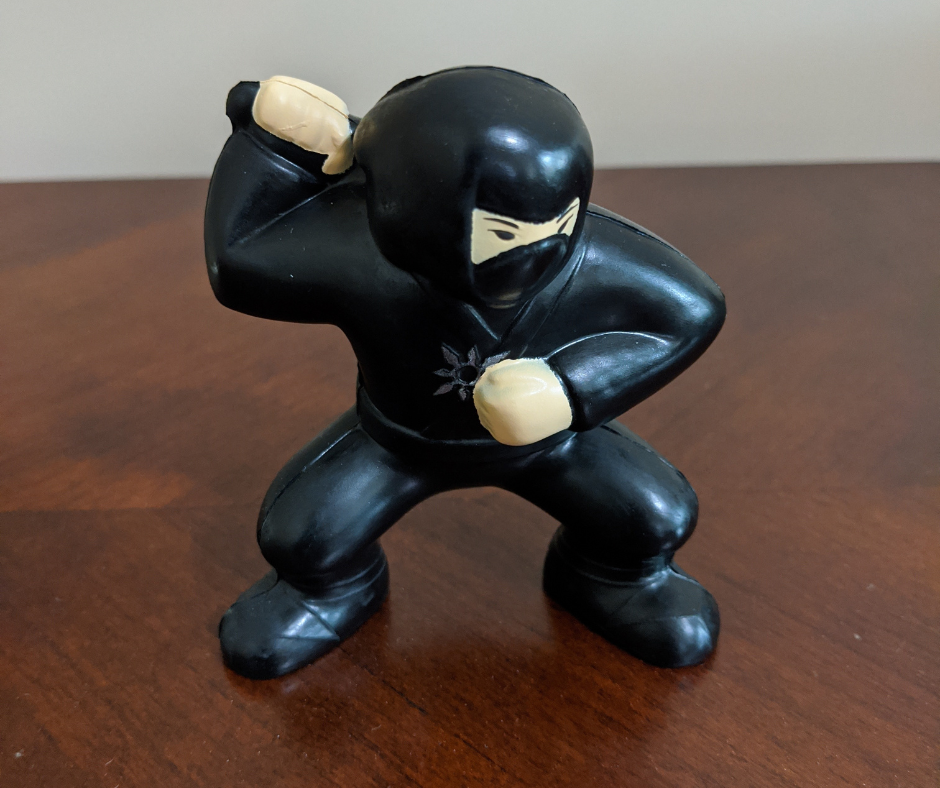
I love giving out little trinkets. It’s fun to see people’s reactions to the things I hand out – coins, ninjas, books. This story is about ninjas.
I love giving out little trinkets. It’s fun to see people’s reactions to the things I hand out – coins, ninjas, books. This story is about ninjas.
I consider myself a Kaizen Ninja. Many years ago in Japan, Ninjas came out of the shadows to deal with a situation (usually violently), and then return to their home base, unseen. I’m not violent, but when I facilitate, I want the team to solve their problem and own their solution. It can’t be my idea. Don’t get me wrong, with over 350 Kaizen events under my belt over these many years, I have seen so many problem-solving techniques and ideas it’s almost impossible not to have a solution to offer to my team members.
Instead of telling, I influence team members to come up with ideas and solutions that may elude them otherwise. Sometimes, I must be direct, but most times, I can guide them from the side to a solution. Thus, I am a Kaizen Ninja.
I signed up to be a sponsor for the BTOES2021 (Business Transformation and Operational Excellence Summit) conference in Orlando, Florida. As part of my sponsorship, I was scheduled to run several workshops and was given a small booth on the conference floor. I had to decide what to bring with me. I was going to be doing a book signing, so that was an obvious choice – bring a bunch of books. Others had books, so what else could I bring? Working with a local promotional item company, we came up with a ninja stress-reliever. I ordered 200 and planned on bringing all of them to the conference.
Two months later, during a meeting with my marketing mentor, a retired marketing executive with Armstrong World Industries, I reviewed my plans for the conference. After talking about how to maximize the value of my time at the conference, I showed her a ninja. She wasn’t impressed. She told me, “Adam, people don’t really use the swag they pick up at conferences. They take it to be nice, and then they get back to their hotel rooms and throw everything away.” She liked some of my other ideas – sticky notes with ninjas imprinted on them, and my books too.
I was floored. I had just spent hundreds of dollars on my ninjas. I was committed to the idea. I knew she was probably right, but I was determined to make the best of my decision. I decided to go with a ninja theme and see if I could attract attention and make many connections during the conference.
I arrived at the conference and found my booth. There was a lot more space than I realized to place items. After putting books on the table, I started lining up ninjas. Sixty of them were set up like a little army of process improvers. I also had ninja-themed signage for my book signing, workshops, and roundtables I would be hosting.
Once the conference opened, people started milling around the booths. The first few asked me sheepishly about my ninjas and I told them about my talents as a “Kaizen Ninja.” They seemed amused. By the middle of the conference, ninjas were being shared with almost every attendee. They were a hit! I almost ran out. I realized it wasn’t the item attracting people, it was the backstory and the energy I was bringing to it. While most booths were very dry and professional, I was having fun and people seemed to appreciate my approach.
After the conference, with newfound confidence, I started bringing ninjas to all my Kaizen events. I would make team members earn them. By the end of the week, every team member had received at least one. Walking around offices, I found about half of all ninjas given out were displayed on desks. This continues to validate my choice of giveaways.
I reviewed the “ninja-effect” with my marketing mentor, and she said she was happy to be wrong about my ninjas. I was just happy that my investment didn’t go to waste and that people enjoyed having a “ninja-moment” with me.