
Kaizen Success Stories
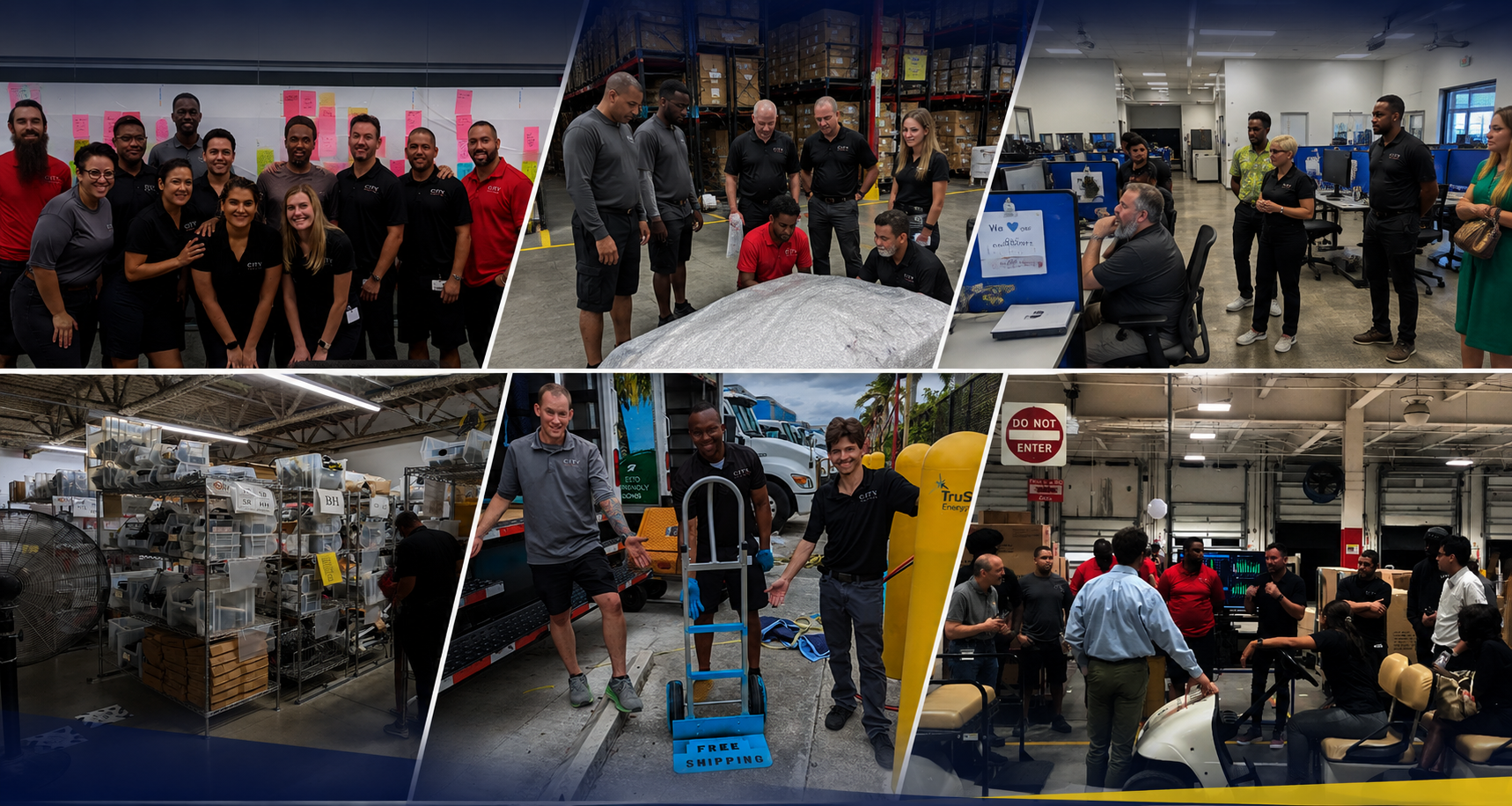
Real Manufacturing Results. One Kaizen at a Time
Explore real-world Kaizen success stories showing how manufacturing teams solved critical problems, improved performance, and created sustainable results.

When the Work Speaks for You
How years of consistent Kaizen work turned into unexpected recognition and new opportunity.
Kaizen Snapshot
Setting: Global Lean Summit at Indiana University
Challenge: Sustaining Kaizen momentum at scale
Stakes: Culture, credibility, and long-term capability
Approach: Hands-on Kaizen facilitation, leader development, culture building
Outcome: Public CEO endorsement, new relationships, expanded opportunities
Key Lesson: Consistent results build credibility and credibility opens doors
The Situation
At the 2025 Global Lean Summit, I was scheduled to deliver five workshops over two days. That alone made it a memorable event.
What made it even more meaningful was learning that Andrew Koenig, CEO of CITY Furniture, would also be speaking. I had worked closely with Andrew and his team for two years, helping them re-energize their Kaizen culture and build internal capability.
I reached out and let him know I’d be tracking him down when he arrived. He was happy to reconnect.
We finally met early on the final conference day at my booth.
What Happened Next
After catching up and sharing recent adventures, Andrew looked at me and said something I didn’t expect:
“Adam, you’ve done so much for us. What can I do for you?”
Honestly, I hadn’t thought about that. I felt he had already given me plenty through the opportunity to work with his organization.
Still, a few thoughts crossed my mind:
It would be nice to be acknowledged as part of CITY Furniture’s Lean journey
Introductions to leaders he thought I could help would mean a lot
And maybe, just maybe, he’d wear the Kaizen Ninja socks I hand out
He smiled and said he’d do what he could.
The Moment I Didn’t See Coming
When Andrew took the stage later that morning, he began telling the story of CITY Furniture’s Lean journey.
Early in his talk, he shared how we met and how my work helped re-energize their Kaizen culture.
Later, he spoke again about the role I played in building their long-term Kaizen strategy.
Then he asked me to stand.
“Adam became part of how we grew our Kaizen capability not just our events.”
The response from the audience was immediate. After the talk, leaders came up to me wanting to understand my perspective, my approach, and how I supported CITY Furniture’s transformation.
Andrew’s words carried weight. Far more than anything I could have said myself.
What Changed
Later that day, Andrew came over, gave me a hug, and invited me to attend the CITY Furniture vendor conference.
I hadn’t been a vendor for more than two years. But I knew I needed to go, if for no other reason than to reconnect with the Kaizen team members and see how they were doing.
The conference itself was outstanding. But the real impact was something else entirely.
The Takeaway
When you do good work, consistently, respectfully, and with the long view in mind, others will tell your story for you.
Credibility isn’t built through self-promotion. It’s built through results.
Why This Matters
Leaders are flooded with claims and credentials.
What cuts through the noise is proof, especially when it comes from someone they trust.
Sustainable Kaizen cultures grow when results speak louder than words.
Want Results Like This?
If you’re looking to build Kaizen capability that leaders stand behind. Not just events that check a box:
Why Great Kaizen Starts Before the Event
How one frustrated engineer reshaped the way I prepare leaders for successful Kaizen.
Kaizen Snapshot
Setting: Armstrong World Industries Technology Group
Challenge: Poorly defined Kaizen charters wasting time and energy
Stakes: Misaligned priorities, weak engagement, limited business impact
Approach: Clear standards, disciplined gatekeeping, simplified chartering
Outcome: Stronger business cases, better-aligned teams, higher-impact Kaizen
Key Lesson: If the problem isn’t clear, the Kaizen won’t be either
The Situation
During my final six years as Global Lean Champion for Armstrong’s Technology group, I encouraged leaders to sponsor Kaizen events to solve critical business problems.
One requirement never changed: every Kaizen needed a charter.
The charter wasn’t bureaucracy. It was how we ensured:
The right problem was being solved
Leaders were aligned
The work justified pulling people away from their daily jobs
As momentum grew, more leaders reached out for support. As the gatekeeper for Kaizen events, I reviewed every charter before an event was approved.
That’s when I met Stan.
What Was Getting in the Way
Stan was an experienced engineer who wanted to run a Kaizen in his area. We talked through what he hoped to accomplish, and I shared the standard charter template.
I asked him to complete it before our next meeting.
Three days later, he hadn’t.
“I just want to make sure you understand what I’m trying to do.”
I explained why the charter mattered. It forces clarity, alignment, and commitment.
Stan tried again.
And again.
And again.
After more than a dozen iterations, a pattern became clear.
What We Discovered
Stan wasn’t struggling with the template.
He was struggling with the why.
The charter never articulated a compelling business case. It sounded less like a Kaizen event and more like a request for people to do his work for him.
I told him I couldn’t approve the event.
He wasn’t satisfied, so we met with his sponsor to see if we could clarify the value together.
We couldn’t.
The event never happened.
What Changed (for Me)
There’s a risk in being strict about Kaizen charters. But I owed it to the organization to protect people’s time and energy.
More importantly, I realized something uncomfortable:
Chartering wasn’t as easy as I thought it was.
So I changed my approach.
The Improvements I Made
I did two things that changed everything:
Simplified the process
I created a clear, four-step approach called Chartering to Win, with explicit intent and critical questions for each step.Took ownership of the starting point
Instead of asking leaders to start from a blank page, I began drafting a first version of the charter with them.
It’s far easier to edit than to create from scratch.
The Takeaway
Strong Kaizen events don’t fail in the room.
They fail before they ever start when the problem isn’t clear and the purpose isn’t compelling.
Today, I use the same Chartering to Win approach with my clients, and I teach leaders how to do it themselves.
And I owe that lesson to Stan.
Why This Matters
Too many organizations jump into Kaizen because it feels productive, not because it’s focused.
Clear chartering protects people’s time, builds alignment, and dramatically increases the odds that improvement will stick.
Want Better Kaizen Outcomes?
If your Kaizen efforts feel busy but not impactful, the problem may not be execution — it may be chartering.

My First Kaizen Event as a Consultant
The early lesson that reshaped how I scope, support, and design Kaizen events.
Kaizen Snapshot
Setting: Large consumer brands manufacturing facility
Challenge: Running multiple Value Stream Mapping efforts simultaneously
Stakes: Event effectiveness, team engagement, credibility
Approach: Internal facilitator development, real-time course correction
Outcome: Successful event and a permanent change in approach
Key Lesson: If you can’t properly support the work, it’s been scoped wrong
The Situation
When I left my corporate role, I was fortunate to land a contract facilitating a company’s first Value Stream Mapping event.
The challenge was scale.
Instead of one value stream, the plant had three independent value streams, each operating differently.
In my corporate role, this would have meant multiple experienced facilitators.
As a new consultant, I had one. Me.
The Plan
I proposed a hybrid approach:
I would facilitate one value stream
I would train two internal leaders, Ken and David, to facilitate the others
Ken had some facilitation experience.
David had none but he had curiosity and commitment.
We prepared extensively. I spent weeks coaching them through the Value Stream Mapping process.
I felt ready.
What Actually Happened
The kickoff included more than 50 participants. After alignment and logistics, we split into teams and went to Gemba.
That’s when reality hit.
While all teams were walking the process, I had no visibility into how the other two were doing.
After my team’s walk, I rotated.
One team was stuck.
One team was doing fine.
I helped where I could.
The Wake-Up Call
When I returned to my own team, more than 40 minutes had passed.
They were waiting.
Without guidance, momentum stalled. Not because they lacked capability, but because I wasn’t there.
The event ultimately succeeded. But the lesson was clear.
The Takeaway
If the work can’t be properly supported, it’s been scoped incorrectly.
From that point on, Value Stream Mapping events were run one value stream at a time, whether I was involved or not.
That lesson still shapes how I design Kaizen today.
Why This Matters
Good intentions don’t guarantee good outcomes.
Clear scoping protects teams, credibility, and results.
Want Kaizen That’s Designed to Succeed?
If your improvement efforts feel stretched or diluted, the issue may not be execution, it may be design.

How I Accidently Became a Paid Speaker
Why stepping outside your comfort zone can open doors you never expected.
Kaizen Snapshot
Setting: EPA Continuous Improvement Conference in San Francisco
Challenge: Transitioning from practitioner to professional speaker
Stakes: Personal credibility, brand growth, new opportunities
Approach: Coaching, preparation, value-driven content
Outcome: Paid keynote, workshops, expanded visibility
Key Lesson: Growth happens when you say yes before you feel ready
The Situation
I’ve spent decades in continuous improvement and nearly eight years as a business owner.
I’m known for Kaizen Ninja Facilitation and the Wheel of Sustainability, not for public speaking.
So when the EPA emailed me about speaking at their conference, I assumed it was a mistake.
What Was Getting in the Way
They found me through Google and the Gemba Academy podcast.
I was skeptical. They thought I spoke on sustainability. I don’t do environmental sustainability.
But curiosity won.
What We Did
I spoke with a professional speaker friend who coached me on pricing, scope, and positioning.
He gave me one piece of advice that stuck:
“Whatever price you set will feel too high to them.”
I proposed a fee. They negotiated. We agreed.
I also offered workshops and they accepted immediately.
The Moment on Stage
I prepared obsessively.
I opened with:
“I just read on the plane that the best speeches are 20 minutes or less—so I’ll be quiet for 70 minutes, then we’ll get started.”
They laughed. I relaxed.
The talk landed. Workshops were full. Conversations flowed.
What Changed
I realized something important:
People valued my perspective enough to pay for it.
And I enjoyed it.
The Takeaway
You don’t have to feel ready to take the next step.
You just have to be willing to step forward.
Why This Matters
Leaders often wait for perfect confidence before acting.
But confidence usually follows action, not the other way around.
Want Me to Speak or Work With Your Team?
If you’re looking for a speaker or facilitator who brings real-world Kaizen stories and practical frameworks:
Get it Right Early, the Rest will take Care of Itself
I’d been running reliability and center lining events across the country, and it never ceased to amaze me how small adjustments like leveling rollers, aligning equipment, straightening processes, could transform an entire line. We were seeing 90% fewer jams, 20% higher yields, 40% productivity gains, and a massive boost in team ownership. It was life-changing.
I decided to convince another client to try this approach in his composite decking factory. While the product was thicker and more stable than others I’d worked with, I knew the principles would still apply.
When I reviewed the concept with my sponsor, he admitted they were battling jams that caused serious disruption. He immediately invited me to run a reliability Kaizen on a key production line.
At first glance, the line seemed simple: straight path, thick product. But once we dug in, the misalignment was obvious. Early in the process, a set of rollers fed stabilizing sheets into melted vinyl. The roller system was out of level, causing tension and stress at the mixing point. Once corrected, the sheets fed evenly, drastically improving flow.
Next, we tackled the water bath where the decking was formed. The “carrier” that transported product through the bath was tilted. That misalignment made the material rise or fall, throwing off the next equipment in the line and potentially causing jams.
We built custom brackets using materials on hand to support the carrier at the precise height and alignment. Then we created easy-to-use visuals to ensure it could be consistently set up.
Once everything was lined up and squared off, we started up the line. It ran beautifully. From that stable foundation, we aligned every piece of downstream equipment. The results? Significant productivity gains, reduced safety risks, and a team that now applies the method to other lines in the plant.
When you take the time to get it right early in the process, everything becomes easier downstream. In reliability Kaizen, precision builds momentum and momentum builds belief.
No Barrier Too Big for the Team
We were running a reliability and center lining Kaizen for a vinyl siding plant in Maryland. These events often unlock 5% gains in yield and productivity and drastically reduce safety risks by 90% or more.
It was cold, so cold you could see your breath on the shop floor. Still, the team stayed focused. We spent the first two days teaching principles and establishing a center line for the process, leveling equipment, and planning the rest of the week.
Then, on day three, disaster struck. A critical water line broke, shutting down the fire suppression system. The plant was evacuated. We couldn’t even grab our tools. The event was abruptly canceled.
I left wondering: What would happen to the half-done work? Would the changes help or hurt? Would the team lose momentum?
One week later, the plant was operational again. Two months after the shutdown, we were back. Not only to finish the first line but to tackle a second. We had mostly the same team, plus a few new faces. We did a quick refresher on reliability principles and techniques and then went to Gemba. I was amazed. During the downtime, the team had already improved results using what they’d learned. They were fired up and ready to go.
We deployed most of the team to the new line, which had many of the same reliability issues. A smaller group returned to the first line to finish what we started. Over the next few days, we aligned, leveled, and pinned every critical element on both lines.
By day three, both lines were running better than anyone could remember. We locked in improvements and implemented the Wheel of Sustainability to ensure long-term results.
The approach has now been replicated throughout the plant and across their entire network of four additional sites. Better yet, they’ve built a workforce that believes in improvement and is hungry for more.
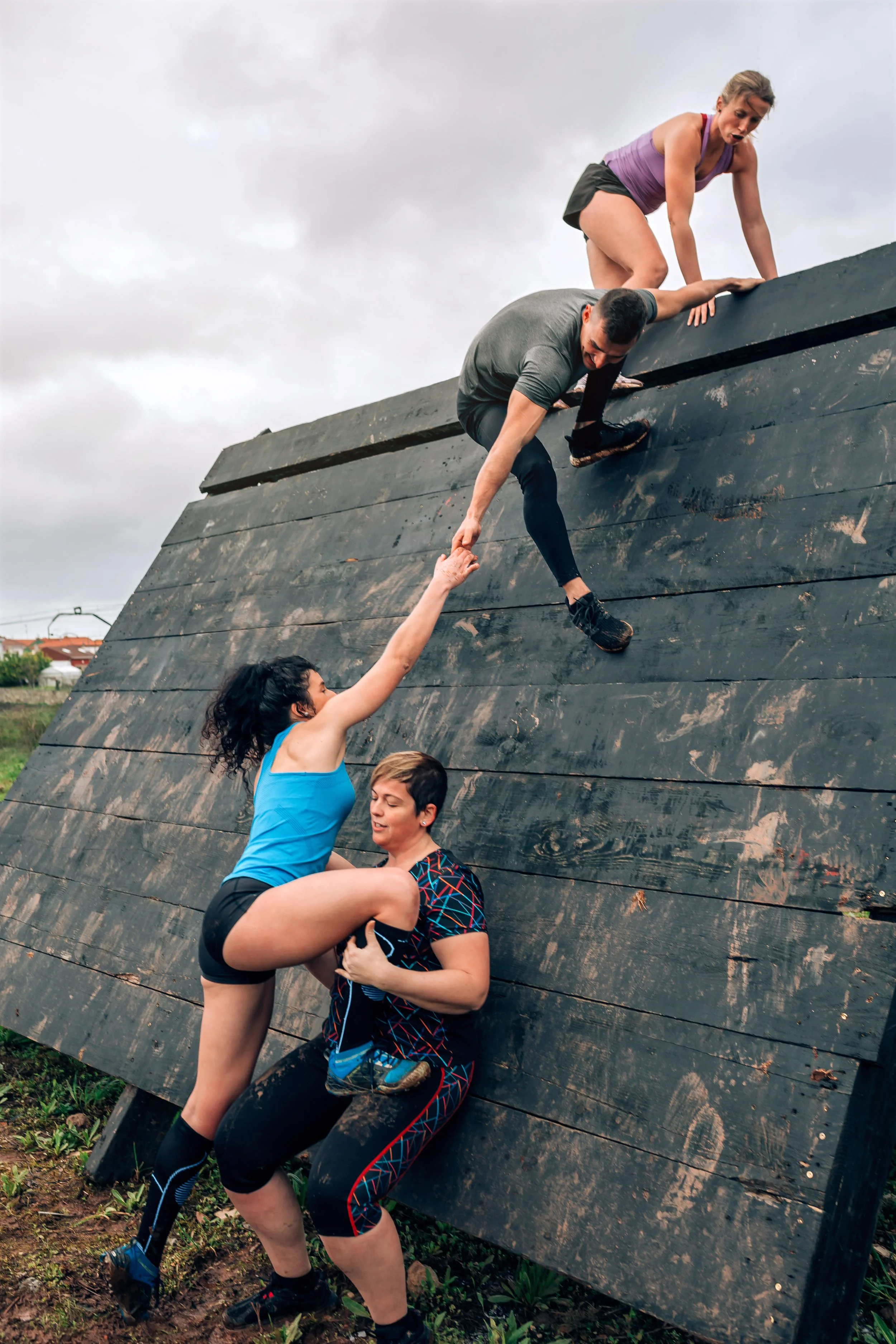
Even when the plan falls apart, a committed team can rise to the challenge. Reliability work is about precision and attention to detail. Culture is about perseverance and the drive to get things done.
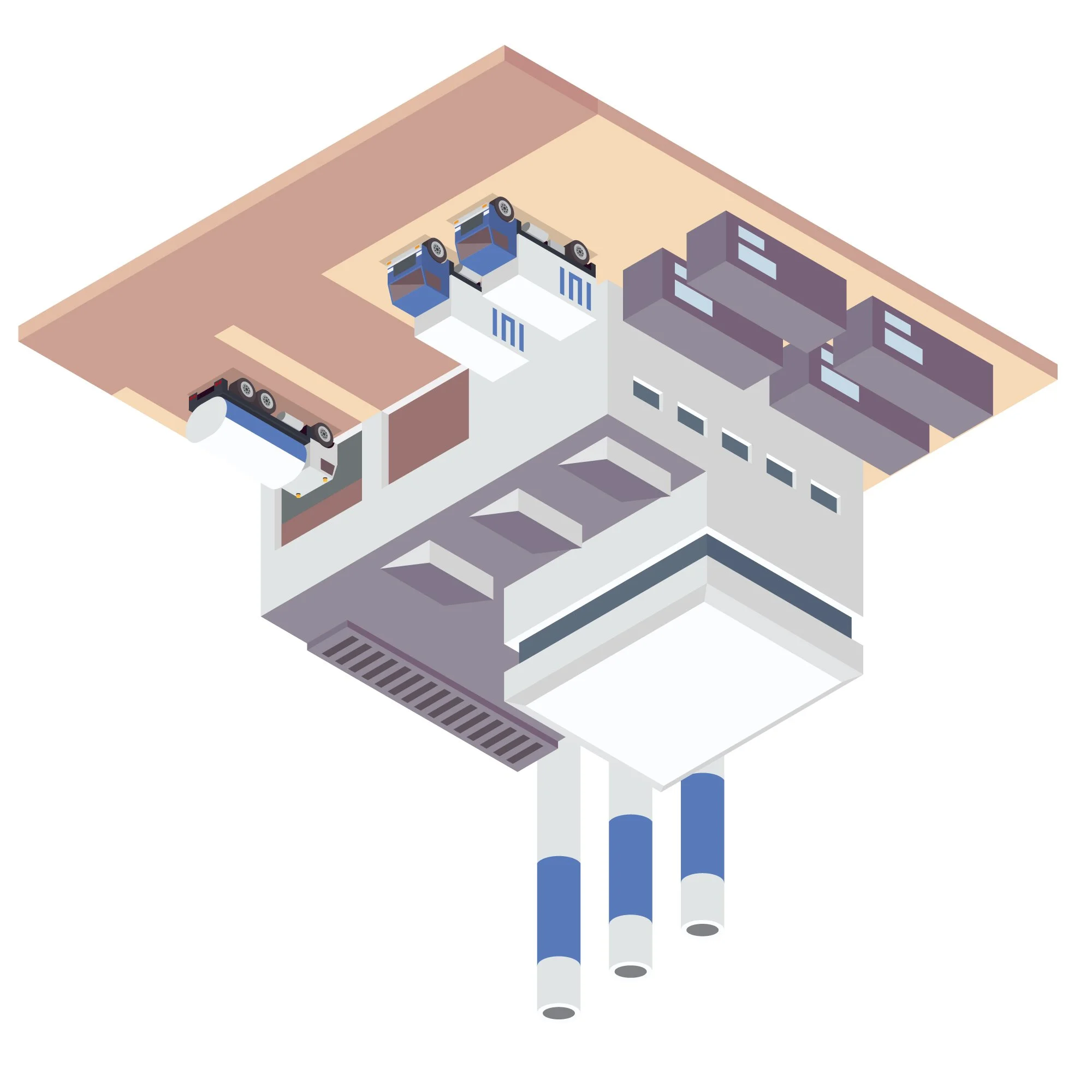
Turning the Factory Upside Down
When a packaging company reached out to me about facilitating a 3P (Production Preparation Process), I was intrigued. It’s the most advanced Kaizen approach I offer. They wanted this to be their very first experience.
Fortunately, I had an ally. Brett, a longtime colleague from my Armstrong days, had joined the company and believed 3P was the only way to address the plant’s design and operational constraints. The plant was bursting at the seams, and their lease made change feel impossible. But Brett believed they could break through.
Our goal: Develop 1–3 bold options to get the plant back on budget and positioned for growth, without relocating, if possible.
As expected, day one brought skepticism. In 3P, we ask people to suspend their constraints and imagine possibilities no one has yet seen. That’s a tall order.
The team followed the process, even when it didn’t fully make sense to them. At one point, I had to give tough love to a company veteran who wanted to skip a step and revert to his usual methods. He didn’t talk to me for a few hours, but by day three, everything changed.
The energy flipped. They saw it. They believed it. They were building something new and it could work.
By week’s end, we had two viable plans. One that reconfigured the current space and one that required a new building. Both met the business goals and sparked new thinking across the team.
At the report-out, the excitement was contagious. Brett strengthened his credibility and standing in the company. The team felt empowered. Some have since moved on, but they still reach out to say how much that 3P experience shaped them.
Breakthroughs don’t come from doing what you’ve always done. When you trust the process and your people new possibilities come into view.

Our Quest for the Holy Grail
This might sound dramatic, but in the world of suspended ceilings, we had a Holy Grail: a ceiling that looked like drywall but performed like an acoustical system. No visible grid. Total sound control. Full accessibility.
For decades, teams tried and failed. The problem? Suspended ceilings require grid for structure and access. Drywall doesn’t offer that and it also lacks acoustic performance.
Then our innovation manager had a bold idea: use the 3P Kaizen (Production Preparation Process) to tackle the problem. He knew we might not solve it in one go, but believed 3P could reveal the path forward.
I was asked to facilitate. The first sessions focused on hiding the visible grid. After many sketches and prototypes, the team landed on a clever idea: use overlapping fabric between tiles. It wasn’t perfect, but it disguised the seams better than anything we’d seen.
Some were disappointed it didn’t fully solve the challenge. But that first step revealed the next: develop a coating that could bind tiles together and create a seamless look without destroying acoustical performance.
The next 3P sessions pushed us farther. Dozens of experiments later, the team found a spray coating that did the trick. We brought in drywall contractors to test it. With their feedback, the final system was born.
After decades of struggle, we had invented a seamless, acoustical, accessible ceiling system. Within months, it hit the market. Today, that innovation drives a growing product category and is a cornerstone of the company’s success.
Breakthroughs rarely come in one giant leap. They’re built through persistence, process, and problem-solving. Sometimes the “Holy Grail” is one prototype away.

Butt Ugly by Friday
Kaizen is messy. It should be so accessible that anyone can do it. So, I use a phrase that I was taught many years ago, to make it okay to try and fail and learn quickly. The phrase? Butt Ugly by Friday!
I’ve collected a lot of sayings over the years I use during Kaizen events. Some are pretty familiar, like “Go to Gemba” or “Don’t let best get in the way of better.” But the one that seems to get the most attention and sticks with teams long after the event is: “Butt Ugly by Friday.”
Let me explain what it means and where it came from.
Kaizen events I facilitate run for a week or less, typically wrapping up on a Friday. By the end of the week, the team reports out to an audience and gets to show off the changes and improvements they’ve made. The challenge of Kaizen is: teams usually have more ideas than time. They want to improve many things, but they can easily get bogged down trying to make each one change perfect.
Years ago, I was facilitating a Kaizen in Pensacola, Florida. One of the teams was stuck on the same problem for two or three days. During a check-in with the local Lean manager, I mentioned the issue. His response changed the way I coach teams to this day.
“Adam,” he said, “you’ve got to tell them to get it Butt Ugly by Friday. That’s what we always say at the plant. It helps shift the mindset from perfection to progress. It doesn’t have to look pretty; it just has to work.”
I took his advice and helped the team move forward, even though their solution wasn’t perfect. It still made things better. Kaizen isn’t about perfection. It’s about improvement.
I use the term “Butt Ugly by Friday” in my introductory training with Kaizen teams on Day 1. It sets the tone right from the beginning. We’re not chasing perfect. We’re chasing better, safer, smarter, and faster. It gives teams permission to try things, test quickly, and learn fast. By the end of the week, team members remind me that they have improved things and made them “Butt Ugly by Friday.”
The phrase is simple, silly, memorable, and effective. People feel comfortable experimenting and are willing to fail quickly. Instead of waiting until the end of the week to find out if something works, they find out now.
Continuous improvement should be so simple and accessible that anyone can do it. More importantly, they actually want to. That’s how to build a culture where improvement can happen anytime, anywhere, from anybody.

An Incorrect Measure of Success
I used to think customer acquisition was the most difficult and challenging aspect of my business. Once I realized customer retention is top priority, it changed my perspective and approach.
As a small business owner, customer acquisition is my biggest challenge. How do I make sure people can find me, understand what I do, and see how my services could help them?
In the early days of running my own business, I was thrilled to have clients who were willing to pay me to help them improve their business processes. I’d meet them at their facility, map out improvement opportunities, and aim to secure a paying engagement.
Sometimes, I’d get the purchase order. Other times, I wouldn’t. It was all on me. If I could paint a clear picture of how I could help, and it resonated with their needs, I’d land the job. If I couldn’t make that connection, the opportunity slipped away.
When I did win the business, I was ecstatic. It felt like a validation. People valued what I brought to the table. And if I did a good job on that first engagement, surely more work would follow. It didn’t always work that way.
I can still remember an engagement with a steel slag producer. Steel slag is the waste product from steel mills, repurposed for things like roadbeds and other construction uses. I facilitated a value stream mapping session to support their strategic planning process.
The team was extremely engaged. My sponsors seemed satisfied with the outcome. Although there were some challenging moments during the week, I thought we’d worked through them together and ended with a great result.
Surely, they’d bring me back. But they didn’t. I followed up multiple times—emails, phone calls, check-ins but got little to no response. The crickets were chirping.
That’s when I realized that acquisition is not the objective. Customer retention is the true measure of success. When you can align your approach to the needs of your client and design to fit their needs and not yours, there is a much better chance for continued collaboration.
Over the years, I’ve had my fair share of “one and done” clients. And while I’m grateful for those opportunities—and I’d like to think I helped them in a meaningful way—they’ve been some of my greatest learning moments.
Fortunately, I’ve also developed a few long-term client relationships. These are the ones where there’s alignment in approach, trust in the process, and a shared belief in the power of continuous improvement. These partnerships are where the real magic happens.
At the end of the day, quality beats quantity. If you focus on alignment, collaboration, and shared outcomes, you won’t just win business, you’ll build something that lasts.

Shining Like a Star
Kaizen events can be life-changing for team members. This is the story of Steve, who grew so much during the week that his co-workers almost didn’t recognize him.
I love facilitating Kaizen events. They can be life-changing. Some team members grow so much over the course of a single week, it’s hard to believe they're the same person by Friday. This is the story of one such transformation, a moment that left people amazed.
Our team was working on a critical issue in the maintenance shop and support areas. It took over 20 minutes to find the parts, tools, or equipment needed for a repair. That might not sound like much, but when a maintenance technician has to go back and forth seven times for different tools or parts, the time adds up fast. It has a direct impact on equipment downtime.
We chartered and scoped the event to cover the inside maintenance shop, an upstairs storage area, a heavy-duty outdoor rack, and a shipping container (about 50 feet long) sitting on the pavement behind another building. Along with improving safety, our goal was to reduce "find time" by at least 75%, with a goal of 5 minutes or less.
The team consisted of four hourly maintenance technicians, their leader, my sponsor, an engineer, a maintenance planner, and the HR leader.
We kicked off bright and early at 6 a.m. Monday, which was the team’s normal shift start. They were quiet, skeptical, and clearly not ready for what was about to happen. I brought the energy, and a few of them perked up a bit during our Lean and 5S overview. We would be utilizing 5S (Sort, Set in Order, Shine, Standardize, Sustain) as the approach to meet our goals.
During our Gemba walk, everyone was jotting down ideas on Post-its. The spaces were packed with clutter. I could already tell we’d hit our goals easily, but the team wasn’t so sure—they were still stuck in their current state mindset.
When we walked out to the shipping container, I noticed Steve, one of the mechanics and a big, strong guy, writing furiously.
Me: “Steve, looks like you’ve got a lot to say about this container. What’s on your mind?”
Steve: “Adam, I’m in here all the time—sometimes at night, in the rain. Look at me—I sweat just walking in during summer. And it’s pitch black at night. I can’t see anything.”
Me: “What are you usually looking for?”
Steve: “PVC parts. There are thousands of them. They’re all mixed up. Sometimes it takes me hours to find what I need.”
He wasn’t exaggerating. Some of these parts were barely an inch long, mixed in boxes with all kinds of unrelated items. I wasn’t sure why they were even stored outside, but I hoped we could fix that.
After our walk, we got together to share improvement ideas. Our first step was Sort. We broke the team into three groups: one for the shop, one for the upstairs storage area, and one for the shipping container.
I volunteered for container duty. Most folks were happy to avoid it. The weather was cold but clear. The engineer joined me, and we got direction from Steve and the maintenance lead on what to toss and what had to be kept.
We filled two dumpsters with obsolete filters. It turns out a vendor handled all filter replacements now with their products. This was an easy win.
Next, we tackled the PVC parts. We loaded them onto carts and brought them inside. It was a job that took the remainder of Day 1 and part of Day 2.
Steve couldn’t believe we were actually following through on this. He started to envision a setup with labeled bins in the upstairs storage area. That night, he volunteered to present our progress update. When he stood up in front of the group, jaws dropped.
Apparently, Steve never spoke in meetings or even said much to his coworkers. He was friendly and hardworking, but mostly kept to himself. No one remembered him speaking in front of a group during his time at the plant.
The rest of the week, the transformation continued. Steve was laughing, cracking jokes, and fully engaged in every discussion. He found his spark.
By Friday, the container had been repurposed for outdoor equipment. Signage was clear and easy to follow. All the PVC parts were inside, organized, and labeled in bins. We did a test with six people who didn’t know the space, and their average "find time" was under three minutes.
During our final report-out, Steve shared what the changes meant to him. “I don’t have to go out in the dark, in bad weather, and dig around. I know exactly where everything is now. We need to do this in other places, too.”
Steve and the rest of his team will never look at clutter or wasted time the same way again. His growth didn’t just help the team, it made a difference for him personally. And that’s what Kaizen should be all about.
Value for the Customer
After many years, I was able to influence my number one client to take their Gemba walk to the next level of performance. When the hourly production operator stood up and gave his perspective, it changed the mind set of the leadership team.
I’ve been helping a leading consumer brand company through their Lean journey since I started my business over six years ago. These days, they’re mostly independent. They don’t call me unless the topic is complex, strategic, or I help them see a major opportunity they hadn’t noticed.
About a year into their journey, they rolled out daily Gemba walks, which they call "Board Walks." These walks got leaders out of their offices, connecting with the people doing the work, surfacing issues, and strengthening engagement and alignment across the organization.
For a few years, these Board Walks looked the same across every location: a group of managers would visit a manufacturing line, listen to an operator or mechanic report on the past 24 hours, ask a few questions, and move on to the next area. It was a start, but something critical seemed to be missing.
I spoke to contacts at several locations about the current state of their Board Walks and what the next level could look like. One local contact told me his plant manager didn’t want to change anything, he was happy with the results and approach.
But another contact, who I’d worked closely with before, called to share his frustration. He knew they had made progress but couldn’t seem to reach the next level of performance.
We talked about the Board Walks and confirmed they hadn’t changed since they started. I suggested we run a Kaizen event focused on making those walks more effective, with the goal of improving safety and productivity.
He was intrigued. I told him I’d seen this work before at an Armstrong plant, where we’d redesigned the Gemba walks to serve our true customers: hourly production operators and mechanics. It resulted in an immediate improvement to safety and productivity.
It took nearly a year of conversations to gain enough momentum and alignment. Eventually, we got support for the Kaizen and invited representatives from four plants, with the intent that they’d take the results back home.
We kicked things off early Tuesday morning. Everyone aligned on the charter and objectives. I had hoped for more hourly participation, but we had one production operator and one maintenance technician on the team. Luckily, they were well chosen.
At 8 a.m., we joined the daily Board Walk and took notes. Everyone was scribbling on Post-its, so I expected a decent mix of observations.
Back in the meeting room, the team shared their ideas. There were plenty of suggestions, but something was missing. It didn’t feel like we had touched the core issue of customer value and engagement. I pivoted and started asking more pointed questions.
I asked, “Who is the Board Walk for?”
The manufacturing manager quickly responded, “It’s for the operators and mechanics, of course.”
Then the operator on our team spoke up. “For us? I always thought it was for management. The Board Walk does nothing for me.” That was the turning point. There were many shocked team members in the room.
We created a Current State Value Stream Map of the Board Walk, identifying every step and evaluating which ones added value from the operator’s perspective. The results were clear and painful. None of the steps provided value for the actual frontline team members.
That created a realization that the Board Walk had to be redesigned to deliver true value to the customers. Now, it became apparent what the improvement priorities would be. Any changes must improve the customer experience.
The team selected three areas to focus on: the agenda, the ground rules, and the follow-up process. During the week, they trialed these changes on one production line.
The biggest shifts in design were:
1. A smaller, dedicated group focused on that area.
2. The discussion shifted to what needed to happen in the next 24 hours, not just rehashing the past.
3. Critical issues that came up would receive rapid follow-up and clear feedback.
The results were immediate. Operators felt heard. Managers were more focused. The Board Walks started to serve their true customer. Alignment and engagement skyrocketed.
Two months later, the new process had been rolled out to every line in the host plant. And at least one of the visiting sites took it back and implemented it with similar success.
This is the kind of transformation that happens when we pause to ask the right question and are willing to listen to the answer.

Does Continuous Improvement Work Have to Be Industry-Specific? You Decide.
I often meet people who are interested in the work I do, and sometimes, these conversations turn into future business opportunities. One statement I hear quite frequently goes something like this: “I see you’ve made great strides working with manufacturers in [insert industry here]. But we’re different, so I want to know what experience you have in my industry.”
I often meet people who are interested in the work I do, and sometimes, these conversations turn into future business opportunities. One statement I hear quite frequently goes something like this: “I see you’ve made great strides working with manufacturers in [insert industry here]. But we’re different, so I want to know what experience you have in my industry.”
Most of the time, I have to tell them that I don’t have direct experience in their industry. I know that’s not the answer they’re hoping for, so I explain that many of the principles I use are applicable across industries and situations.
The first principle I rely on is that people want to win. If there’s a problem affecting them, they want to solve it—they don’t want to be adversely impacted by it. I tap into this natural desire to win and facilitate the team toward success by engaging them and building a team-based approach to problem-solving.
All the work I do before, during, and after Kaizen events is designed to set teams up for success. I create plans tailored to tackle the specific challenges they’re facing. I also design activities and experiences that allow team members to participate, share their ideas, and take ownership of the solutions. To me, that’s the essence of winning.
Another principle I follow is that all industries involve processes that require people. As long as the team can map out the processes they’re working with and identify the waste, they have the potential to make meaningful changes. My job is to help them spot that waste and equip them with the tools and techniques to reduce or eliminate it.
My third principle is that people will always rise to the expectations we set for them. Throughout my Kaizen events, I aim to set the bar as high as possible for the team, and they almost always meet or exceed those expectations. When they do, I raise the bar even higher, and, unsurprisingly, they rise to the occasion once again.
There are many other principles I use, but in my experience, these three are enough to allow me to work effectively in any industry—no matter the complexity or my prior experience with it.
I’ll admit that I’ve missed some opportunities to help prospects just because I haven’t worked in their specific industry. But I also believe they’ve missed out on the chance to work with me and see how I could help their teams solve critical business problems in a sustainable way.
My best advice to anyone considering hiring outside help to solve critical business problems is this: rather than focusing solely on past experience, consider the approach. Make sure it fits with—and enhances—your people engagement goals and leadership style.
Hope is a Precious Commodity
I’m passionate about helping teams improve the reliability of their processes, using basic yet effective techniques to immediately boost the performance of their manufacturing lines. The best part is that the team can see and feel the results, and the techniques I teach are easy to learn and transferable to other lines and processes within the facility.
In a previous story, I described how a strategy session for a building products company led to several reliability improvement Kaizen events. This story focuses on one of those events in Mississippi.
I’m passionate about helping teams improve the reliability of their processes, using basic yet effective techniques to immediately boost the performance of their manufacturing lines. The best part is that the team can see and feel the results, and the techniques I teach are easy to learn and transferable to other lines and processes within the facility.
I flew into Memphis early on a Sunday morning, with no plant commitments until the afternoon, so I decided to tour Graceland and learn more about Elvis Presley. Although I wasn’t a fan before the visit, I gained a lot of respect for the man, his philanthropic efforts, and his impressive cars and eccentric outfits. It was quite the experience.
Afterwards, I met my contact at the plant, and we set up the meeting room for the upcoming week. He mentioned that many of the team members were hourly operators and mechanics who were skeptical about what could be achieved, and whether their voices would truly be heard. We walked through the plant, and he showed me the line we would be working on. Based on what I saw, I was confident we could make a real difference and engage the team in a way that would be meaningful to them.
On Monday morning, we kicked off the session with safety expectations, introductions, a charter review, and an overview of Lean and reliability principles. I quickly learned that most of the team members had no prior experience with Lean or Kaizen, so I had to start with the basics. This typically takes about 2 to 3 hours, and I present it using PowerPoint and activities. I know that people aren’t always excited about slides, but in my experience, some foundational understanding is necessary before we take our Gemba Walk. It used to take a full day, so I think I’ve gotten more efficient at it.
During the Gemba Walk, the team members were able to connect the reliability concepts I was teaching them to the issues on the line. If they were unsure about something, I could point out specific opportunities for improvement.
Back in the meeting room, we identified and prioritized the areas we would focus on. We broke into three sub-teams, and I worked with two mechanics and an operator to begin with the most basic tasks: centerlining and leveling the equipment.
They were shocked to see how much of the equipment was misaligned and out of level. The good news is that by the second morning, everything had been leveled and centered. The better news was that when we restarted the line, it ran better than anyone could remember.
Excitement began to fill the team, and improvements were happening across the board. By Wednesday, Jake, a mechanic who had been with the plant for over 20 years and was initially skeptical, came up to me, tapped me on the shoulder, and said, “Adam, you messed up (not exactly what he said, but you get the idea)! You gave me hope!”
I told him, “I’d like to say I’m sorry, but I’m not! Now that you know what’s possible, your job is to share it with your coworkers on the other lines!”
The rest of the week flew by, and by Friday, we had achieved something we were all proud of. The difference between this line and the others in the plant was striking. Now, the only thing shutting the line down was planned maintenance.
Jake took on the role of Area Owner, proudly holding himself and others accountable for following all of the reliability and safety requirements on the line. During a recent visit to the plant, he even demonstrated the principles of reliability to my original sponsor, the vice president of manufacturing.
Skepticism had been replaced by optimism, and the plant has already begun transferring what they learned to other lines. Before long, they should have all of their lines operating at higher reliability levels.

Simpler is Safer, Lighter, and Better
I was in Florida, working with a residential building products manufacturer on our second Kaizen event together. This time, we focused on improving materials delivery to the production lines. The tasks were challenging, physically demanding, and slow, leading to high turnover in the material handling position.
I was in Florida, working with a residential building products manufacturer on our second Kaizen event together. This time, we focused on improving materials delivery to the production lines. The tasks were challenging, physically demanding, and slow, leading to high turnover in the material handling position.
Our ultimate goal was to make the job safer and easier, reducing turnover and its associated costs while boosting employee satisfaction across the organization.
We started the week with a Lean Principles workshop, followed by a Gemba Walk to observe the current processes. The good news? There were plenty of opportunities for improvement. The better news? Together, we’d brainstorm and implement solutions to reduce waste and achieve our goals.
The team divided into three sub-teams, each focusing on a specific area:
Delivery and loading of granular materials to the line
Organization of raw materials
Delivery and loading of rolled materials to the line
Granular Materials Team
This team observed workers shoveling materials into buckets, carrying them up a ladder, and pouring them into bins for processing—a labor-intensive and risky process. Could it be automated?
With creativity, quick thinking, and the repurposing of existing equipment, they modified a shop vacuum to draw materials directly from containers into the bins. They added a simple sensor to stop the vacuum when the bin was full and another to alert the operator when it was time to restart.
Organization Team
Using spaghetti diagrams, they mapped operator movements during daily tasks. The diagrams revealed a chaotic system: materials were stored wherever space was available, with no clear organization.
By rearranging the workspace, they created a visual and logical storage system, reducing unnecessary movement by over 75%.
Rolled Materials Team
This group tackled three main issues:
Placing rolls on a carrier
Placing the carrier on the production line’s framework
Moving and removing rolls when empty
To address the first issue, they replaced the heavy, cumbersome threaded rod and collar system with a smooth rod and spring clamps, similar to those used in weightlifting. This eliminated the time-consuming process of centering the roll and screwing collars into place. It also removed the need for heavy end plates, reducing the roll’s weight by over 10 pounds.
For the second and third issues, eliminating the end plates allowed them to redesign the system. They replaced the cradles on the framework with pinned locations, enabling rolls to slide directly into place and be securely pinned. This made centering effortless and eliminated the need to lift rolls over cradle points.
The Results
By the end of the event, every team had developed solutions that made the work safer, simpler, and more efficient. Even better, the changes were cost-effective and could be easily replicated across other lines in the facility.
Early feedback has been overwhelmingly positive. Employees report higher satisfaction and engagement, and we anticipate this will lead to significantly lower turnover in the material handling role.
Sometimes, the simplest solutions really are the best.

Know Your Niche
As a Kaizen Ninja, I like to believe I can help any team solve any problem. Maybe I can, maybe I can’t—but believing it was causing me to dilute my message to my target audience. Let’s face it: no one believes you can be all things to all people.
As a Kaizen Ninja, I like to believe I can help any team solve any problem. Maybe I can, maybe I can’t—but believing it was causing me to dilute my message to my target audience. Let’s face it: no one believes you can be all things to all people.
While I’ve helped businesses across many industries tackle a variety of problems, my message wasn’t resonating with the people I truly wanted to reach. It wasn’t until I came across The One Page Marketing Plan by Allan Dib that I realized the issue. Dib makes a compelling case for knowing your niche and target market. Without that clarity, it’s impossible to craft a message that will attract the right people.
I had to dig deep and figure out who I really wanted to help. It didn’t take long to land on an answer that, in hindsight, should have been obvious: I was built to help manufacturing companies.
But not just any manufacturing companies. Running a Kaizen event requires team members to dedicate 100% of their time and energy to solving a critical business problem in a sustainable way. For smaller companies, pulling key people off their regular jobs for several days can be a dealbreaker. The business might grind to a halt.
The sweet spot? Manufacturing companies with at least 50 employees. These companies typically have enough resources to pull six or more people from their daily roles without shutting everything down. With proper planning, resources can be covered through overtime or other adjustments, making it feasible for the team to focus entirely on the Kaizen process.
This realization was a game-changer. While I’ve facilitated successful Kaizen events in non-manufacturing settings, the immediate, tangible results from manufacturing events are hard to beat. On the factory floor, you can literally see the impact:
Lines run more smoothly.
Tasks require less effort.
Employee feedback is positive and immediate.
There’s something uniquely gratifying about helping people in ways they can see and feel right away. That’s why I’ve honed my focus on manufacturing companies with more than 50 employees. When I visit, I can provide clear, specific examples of where I can help and the results they can expect using my Kaizen approach:
Safety risks reduced by more than 50%.
Changeover times cut by more than 50%.
Productivity increased by at least 5%.
Costs reduced.
Quality and customer satisfaction improved.
Even better, I can share real success stories from other manufacturing teams and show how I use the Wheel of Sustainability to ensure those results last.
From time to time, I still get inquiries from non-manufacturing prospects. I’m happy to help them if there’s a good fit, but they’re no longer my target audience. I don’t actively market to them or invest extra effort trying to get their attention.
This approach has made me more focused and intentional, and for that, I’m incredibly grateful to Allan Dib and his team. Their insights helped me find—and fully embrace—my niche.

Macon a productivity improvement
Many of my early projects for Armstrong World Industries were at the Macon Georgia plant. This was and still is the largest ceiling plant in the world, with a capacity of over half a billion square feet of ceiling tiles produced annually.
Many of my early projects for Armstrong World Industries were at the Macon Georgia plant. This was and still is the largest ceiling plant in the world, with a capacity of over half a billion square feet of ceiling tiles produced annually.
I was asked to join a team that was going to help the Macon plant return to budget performance by the middle of the year. At the time, I was known and requested for my product flow and team improvement experience. A group of a dozen engineers, scientists, and project managers traveled to the plant for the week to identify the work we could quickly accomplish to improve plant performance and achieve the required budget attainment by the end of the current operating quarter.
The plant is separated into two operating units: board forming and fabrication. My expertise and experience are in fabrication, so that’s where I was assigned.
When we arrived, I told the team I would take a Gemba walk of the total fabrication business unit and share my recommendations by the end of the day. Hunter, an experienced project manager, and Jason, an electrical engineer asked to join me. I was happy to have help.
As we walked the department, we saw and identified many areas of opportunity that would incrementally improve performance, but to get back to budget performance, we needed a bigger win. And then, we found it. There was a line feeding another major line. As it turns out, it was starving the following line, because it couldn’t supply boards fast enough.
We took a deeper look to see what was causing things to run so slowly. I climbed all over the line to get a visual perspective on what was happening. What I saw shocked me. Large rectangular boards were going around at angles and bumping into guides and equipment and causing jams and shutdowns. It shouldn’t be this difficult to run, I thought.
We measured the operating speed of the line and determined 18 boards could get through the line per minute, when the line was actually running, which wasn’t very often, due to jams. The line was capable of running faster, but the technicians had slowed everything down because they couldn’t trust the boards to flow through the line smoothly.
This was our opportunity. We needed to solve the problems on the line to improve the flow and allow the operating speed to be increased to match the line being fed upstream. This was the project we presented to the rest of the team. I believed we could easily gain ten percent productivity on the line, if not more, which would allow the upstream line to produce closer to its budget with the same labor and energy costs. This improvement would be worth a significant percentage of the overall losses we were trying to recoup.
We were assigned some maintenance support for the rest of the week. Using my reliability and board flow approach, we were able to get boards to flow through the line at 22 boards per minute, which was a twenty percent productivity improvement. We locked all settings in, so that we could sustain the performance and not worry about others adjusting things back to the previous conditions.
This project and many others helped the plant beat its budget commitments and continued to build my reputation as a quick problem-solver and board flow expert. Many years later, I still teach board flow and reliability techniques to clients around the world and the results have been extremely positive and satisfying.

The Ship that Didn’t Sail
Sometimes, even though you know you could help a prospect, they don’t feel the same way. This is one of those stories about my inability to create alignment with a business leader.
Sometimes, even though you know you could help a prospect, they don’t feel the same way. This is one of those stories about my inability to create alignment with a business leader.
I was referred to a yacht brokerage by the CEO of CITY Furniture and after a few months was able to set up a meeting with their CEO. We seemed aligned around my approach and soon he invited me to visit him at his business during one of my upcoming trips to Florida.
We met for dinner the evening before the official visit. He brought his second in command along and we quickly found common ground and shared stories about past work and personal adventures. When dinner was over, we parted ways and I was excited at the possibilities of helping a company who was focused on something I had zero experience with: yacht sales brokering. My only experience with yachting is the old Looney Tunes cartoon, where Bugs Bunny convinces Elmer Fudd that he’s “Elmer J. Fudd, millionaire, who owns a mansion and a yacht.”
The next morning, I met the CEO at his office, and he introduced me to his staff. Throughout the day, I had meaningful conversations with many of the people who worked there and learned about the biggest pain points they were facing. These included:
The lack of overall aligning metrics across the business – how did they know if they were winning?
The complexity and length of time it took to close a yacht sale – many of these transactions included more than one country, which multiplied the effort immensely.
Utilizing the in-house resources to identify and solve problems – this business was family operated and run by a few trusted executives. Others did their work to the best of their ability but didn’t get to make empowered decisions or changes.
I knew I could help, if only I could convince the CEO he could cede control of some critical decisions and let his employees be part of the improvement efforts.
He seemed interested and by the end of the day showed what I thought was a desire to operate his business differently in the future. We left with a plan to reconnect and develop a path forward.
Except that it never happened. I stayed in touch with the CEO for a while, but then realized my approach wasn’t aligned with his vision of how work should get accomplished. Even though he never told me directly, I knew he wouldn’t pursue further meetings with me. It would have been a huge leap of faith for him, and my image of continuous improvement couldn’t overcome years of management-engrained behaviors.
My approach isn’t for everyone. I have to understand that even though I know I can help many of the prospects I visit, they don’t always see it the same way as I do. Maybe I’ll get on a yacht one of these days. It would be fun to pretend to be “Elmer J. Fudd, millionaire.” Until then, I’ll continue to navigate the seas of change for clients, steering them in new and unchartered directions, knowing that if they’re willing, I can help bring them to a great destination.

The Journey of 100 Google Business Reviews
When I opened my business, I tried many ways to attract clients. After spending money on advertising that didn’t lead to business, I focused on delivering a great customer experience and then let my business grow organically through word of mouth and referrals. This is a slower path, but it fits my principles of how I want to conduct my business.
When I opened my business, I tried many ways to attract clients. After spending money on advertising that didn’t lead to business, I focused on delivering a great customer experience and then let my business grow organically through word of mouth and referrals. This is a slower path, but it fits my principles of how I want to conduct my business.
I set up my website, LinkedIn business page, and Google Business page, with the hope of acquiring clients through these (mostly) free resources. I noticed most businesses that had a Google Business page had reviews posted by their customers. I wanted reviews too. How would I ever get someone to share their thoughts, I wondered? After all, I was asked many times to leave a review for other businesses, but I rarely did.
The first thing I did was ask members of my Kaizen teams for Google Business reviews. Most people don’t naturally leave reviews of businesses. When I got my first one, I was excited to see it. Now, I wanted more.
For a while, I asked people to leave reviews. I wasn’t receiving many. Eventually, I got an idea. After I completed a Kaizen event, I sent an email to team members with a link to my Google Business page. Using this strategy, I’d get one or two reviews per event. My numbers were slowly creeping up. Eventually, I crossed the “10 review” threshold. Then 20. I wanted more!
It took over three years to get to fifty reviews. Next, I set a goal to get to 100. I needed a more compelling way to ask for reviews, without being too “salesy.” One day, at a happy hour following our Kaizen report-out, I was discussing my goal of receiving 100 Google Business reviews, when one team member suggested I get a QR code for reviews and post it on the screen at the end of the next Kaizen event. Team members could scan the code with their phones and be directed to my Google business page and the review section. I did some research and found a service that generated a QR code for free.
During the next few Kaizen events, I posted my QR code on the screen. I was able to get 2 or 3 reviews using that approach. It was progress, but still very slow. Then, I got an inspiration. I printed out a slide with the QR code on it and handed it to team members, so that they could scan it from their seat. By handing it to them, it put a little unspoken pressure on them to leave and immediate review. By waiting, most people forgot to leave a review. But, if they could do it in the moment, and I was there to see it, most team members would leave a review.
I was now getting 5 to 7 reviews at each Kaizen event. I broke through the 100-review goal earlier this year. It’s gratifying to see what all of those people have to say and that they believe I have positively impacted their work lives.
The next challenge? I need to reset my goals for this year. I’m very competitive and want to see how I can improve my process even more!

Five Lessons from My First Five Years in Business
On May 15, 2018, I registered Process Improvement Partners LLC as an official business. Since then, I have had so many adventures, made lots of mistakes, and hopefully learned from many of them!
On May 15, 2018, I registered Process Improvement Partners LLC as an official business. Since then, I have had so many adventures, made lots of mistakes, and hopefully learned from many of them!
As the saying goes, hindsight is 20/20. In the spirit of continuous improvement, I have been challenged by a peer to share my top five lessons from my first five years in business (thanks Stephanie!)
ONE: Focus on meaningful relationships, not vanity metrics.
Truly valuing and connecting with the people in your network is way more important than how many followers, views, likes, and comments. Be sure to focus on what really “moves the needle” for you, and this will look different for everyone. Bottomline: you can't fake caring. If you can help even one person, you are doing important work.
TWO: This is a marathon, not a sprint.
It takes time to build up a following that values what you do and how you can help. I used to think the next activity or post would get someone to do business with me. Now, I realize people want to feel comfortable with you and the value you bring. It takes time, but once it happens, meaningful engagements follow.
THREE: Alignment is vital to a great working relationship.
The work I do is narrowly focused and isn't for everybody. I want to and should work with clients that value my approach and are ready for it. I stopped chasing money and started looking for people I can help and want me to help the way I provide value. If you like fast, sustainable results, I'm your guy!
FOUR: Experiment, experiment, and experiment some more.
I have tried writing (a book, no less), podcast interviews, speaking engagements, paid advertising, and many other things. I always learn from those experiences and know there are many more in my future. I am pretty sure that I won't write another book (never say never), but I'm glad I did. If it helps just one person, it was worth it. And I learned I can do it!
FIVE: Pay close attention, or you might miss an important opportunity.
It's easy to gloss over the last "like" on a post and just chalk it up to someone just being kind. But that person might need my help, so reaching out to someone who is engaging with my content is never a bad idea. In fact, one time it led to a meaningful business relationship. I don't follow up on every post engagement, but I definitely should!
I read that most businesses fail in the first five years, and I can believe it. Having your own business is challenging work and it's not for the faint of heart. Luckily, I have an incredible and supportive family and network. I thank you all for giving me the opportunity to serve you and look forward to many more years of doing so.