
Kaizen Success Stories
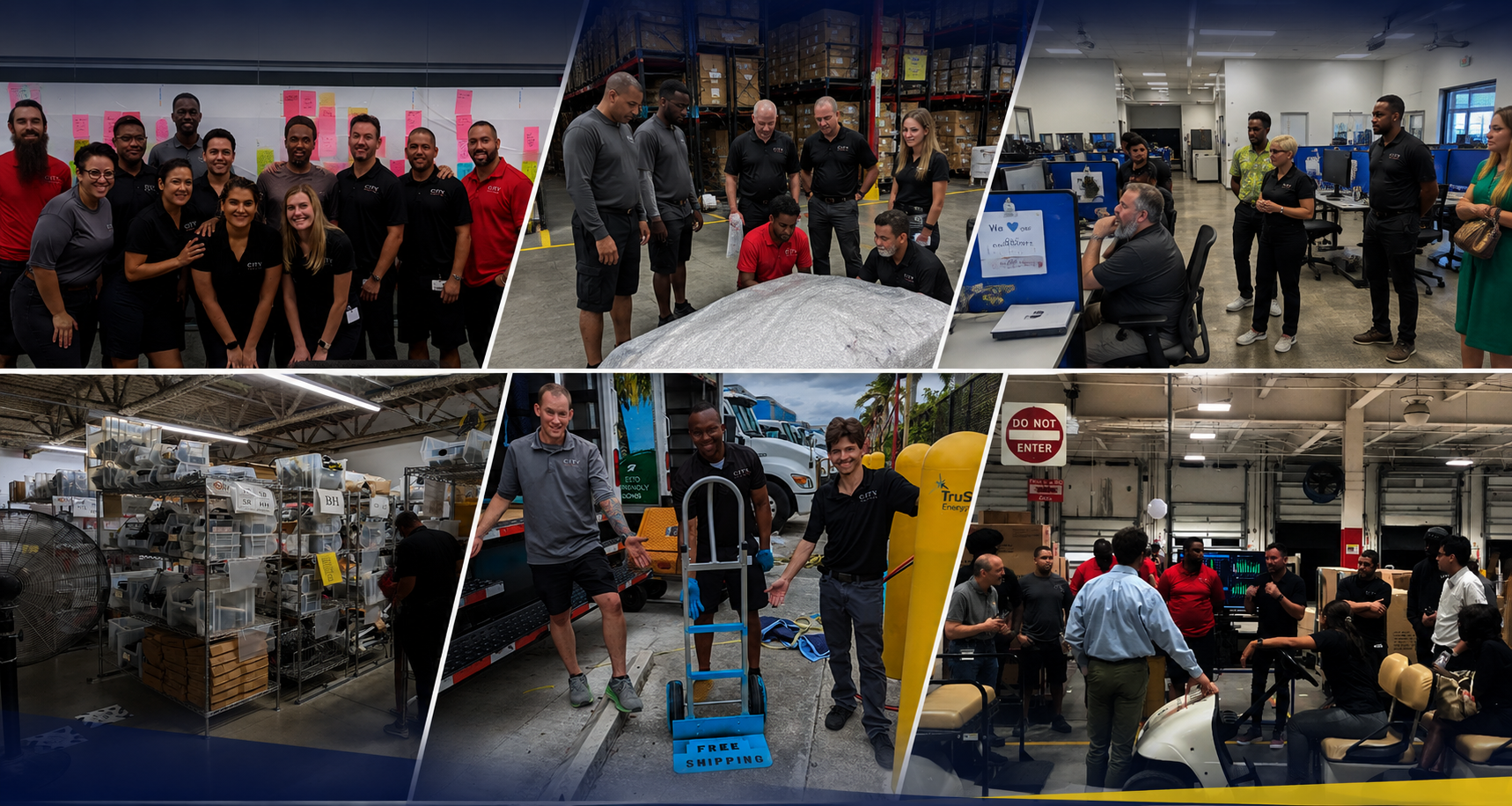
Real Manufacturing Results. One Kaizen at a Time
Explore real-world Kaizen success stories showing how manufacturing teams solved critical problems, improved performance, and created sustainable results.

Why Great Kaizen Starts Before the Event
How one frustrated engineer reshaped the way I prepare leaders for successful Kaizen.
Kaizen Snapshot
Setting: Armstrong World Industries Technology Group
Challenge: Poorly defined Kaizen charters wasting time and energy
Stakes: Misaligned priorities, weak engagement, limited business impact
Approach: Clear standards, disciplined gatekeeping, simplified chartering
Outcome: Stronger business cases, better-aligned teams, higher-impact Kaizen
Key Lesson: If the problem isn’t clear, the Kaizen won’t be either
The Situation
During my final six years as Global Lean Champion for Armstrong’s Technology group, I encouraged leaders to sponsor Kaizen events to solve critical business problems.
One requirement never changed: every Kaizen needed a charter.
The charter wasn’t bureaucracy. It was how we ensured:
The right problem was being solved
Leaders were aligned
The work justified pulling people away from their daily jobs
As momentum grew, more leaders reached out for support. As the gatekeeper for Kaizen events, I reviewed every charter before an event was approved.
That’s when I met Stan.
What Was Getting in the Way
Stan was an experienced engineer who wanted to run a Kaizen in his area. We talked through what he hoped to accomplish, and I shared the standard charter template.
I asked him to complete it before our next meeting.
Three days later, he hadn’t.
“I just want to make sure you understand what I’m trying to do.”
I explained why the charter mattered. It forces clarity, alignment, and commitment.
Stan tried again.
And again.
And again.
After more than a dozen iterations, a pattern became clear.
What We Discovered
Stan wasn’t struggling with the template.
He was struggling with the why.
The charter never articulated a compelling business case. It sounded less like a Kaizen event and more like a request for people to do his work for him.
I told him I couldn’t approve the event.
He wasn’t satisfied, so we met with his sponsor to see if we could clarify the value together.
We couldn’t.
The event never happened.
What Changed (for Me)
There’s a risk in being strict about Kaizen charters. But I owed it to the organization to protect people’s time and energy.
More importantly, I realized something uncomfortable:
Chartering wasn’t as easy as I thought it was.
So I changed my approach.
The Improvements I Made
I did two things that changed everything:
Simplified the process
I created a clear, four-step approach called Chartering to Win, with explicit intent and critical questions for each step.Took ownership of the starting point
Instead of asking leaders to start from a blank page, I began drafting a first version of the charter with them.
It’s far easier to edit than to create from scratch.
The Takeaway
Strong Kaizen events don’t fail in the room.
They fail before they ever start when the problem isn’t clear and the purpose isn’t compelling.
Today, I use the same Chartering to Win approach with my clients, and I teach leaders how to do it themselves.
And I owe that lesson to Stan.
Why This Matters
Too many organizations jump into Kaizen because it feels productive, not because it’s focused.
Clear chartering protects people’s time, builds alignment, and dramatically increases the odds that improvement will stick.
Want Better Kaizen Outcomes?
If your Kaizen efforts feel busy but not impactful, the problem may not be execution — it may be chartering.

Don't Go Down the Rabbit Hole
How a tough day on the plant floor reshaped my understanding of leadership, focus, and trust.
Kaizen Snapshot
Setting: Armstrong World Industries – St. Helens, Oregon plant
Challenge: Multiple simultaneous operational issues overwhelming leadership
Stakes: Safety, uptime, morale, and credibility
Approach: Prioritization, delegation, team ownership
Outcome: Clear focus, aligned action, stronger leadership discipline
Key Lesson: You don’t win by fixing everything. You win by fixing the right thing
The Situation
One thing you learn quickly in manufacturing is this:
Even when things are going well, there’s no guarantee they’ll stay that way.
People, processes, equipment, weather, raw materials, any one of them can tip a good day into a bad one.
At the St. Helens ceiling tile plant, we were in the middle of one of those weeks. Equipment downtime was high. Safety concerns were surfacing. People issues were piling up.
As Operations Manager, I felt responsible for all of it.
What Was Getting in the Way
I approached the situation the way many engineers do, by trying to solve every problem at once.
I believed:
Every issue mattered equally
I needed to stay on top of everything
Speed meant touching everything personally
In our morning review meeting, I rattled off dozens of problems.
What I didn’t have was a clear direction.
The Moment That Changed Everything
As I started diving deep into a relatively small issue, one that wasn’t driving major loss, Olivia, our plant manager, stepped in.
“Adam, stop worrying about all the little details.
Let’s focus on the key problem, build the plan, and execute it.
Then we’ll move on to the next.”
It was obvious. And I had completely missed it.
What Changed
Olivia had the team identify the top three problems for the day.
Then she did something even more important. She had them self-assign ownership.
Suddenly:
Focus replaced overwhelm
The team leaned in
Progress accelerated
I took one of the assignments myself and learned more about leadership that day than I had in months.
The Takeaway
Trying to fix everything is a fast way to fix nothing.
Strong leaders create focus, trust their teams, and resist the pull to dive into every detail.
Why This Matters
When leaders chase every problem, teams hesitate.
When leaders create clarity, teams act.
Focus isn’t avoidance, it’s discipline.
Ready to Build Focused Improvement?
If your organization feels overwhelmed by competing priorities, Kaizen may not be the problem, focus might be.