
Kaizen Success Stories
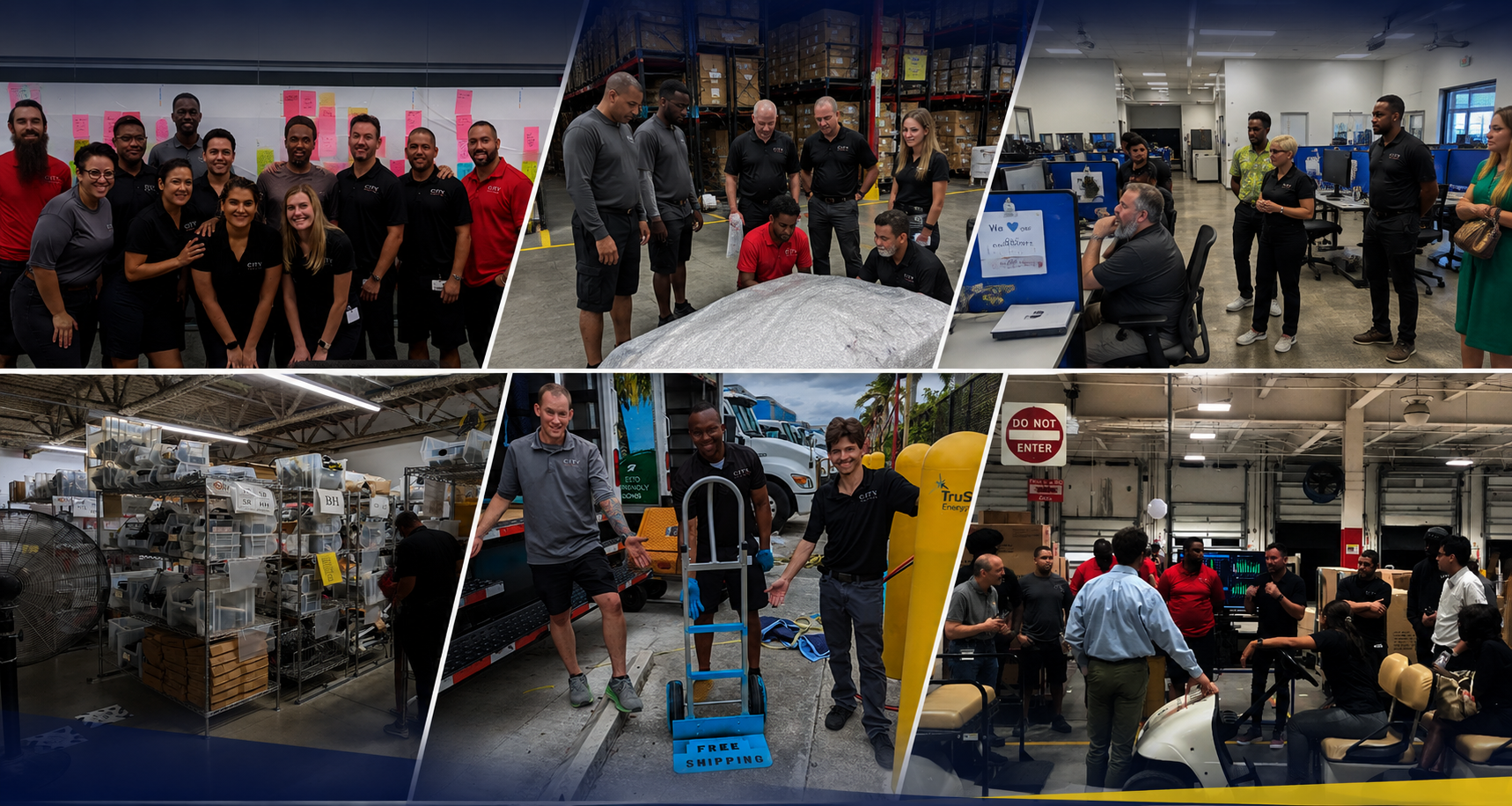
Real Manufacturing Results. One Kaizen at a Time
Explore real-world Kaizen success stories showing how manufacturing teams solved critical problems, improved performance, and created sustainable results.

How I Accidently Became a Paid Speaker
Why stepping outside your comfort zone can open doors you never expected.
Kaizen Snapshot
Setting: EPA Continuous Improvement Conference in San Francisco
Challenge: Transitioning from practitioner to professional speaker
Stakes: Personal credibility, brand growth, new opportunities
Approach: Coaching, preparation, value-driven content
Outcome: Paid keynote, workshops, expanded visibility
Key Lesson: Growth happens when you say yes before you feel ready
The Situation
I’ve spent decades in continuous improvement and nearly eight years as a business owner.
I’m known for Kaizen Ninja Facilitation and the Wheel of Sustainability, not for public speaking.
So when the EPA emailed me about speaking at their conference, I assumed it was a mistake.
What Was Getting in the Way
They found me through Google and the Gemba Academy podcast.
I was skeptical. They thought I spoke on sustainability. I don’t do environmental sustainability.
But curiosity won.
What We Did
I spoke with a professional speaker friend who coached me on pricing, scope, and positioning.
He gave me one piece of advice that stuck:
“Whatever price you set will feel too high to them.”
I proposed a fee. They negotiated. We agreed.
I also offered workshops and they accepted immediately.
The Moment on Stage
I prepared obsessively.
I opened with:
“I just read on the plane that the best speeches are 20 minutes or less—so I’ll be quiet for 70 minutes, then we’ll get started.”
They laughed. I relaxed.
The talk landed. Workshops were full. Conversations flowed.
What Changed
I realized something important:
People valued my perspective enough to pay for it.
And I enjoyed it.
The Takeaway
You don’t have to feel ready to take the next step.
You just have to be willing to step forward.
Why This Matters
Leaders often wait for perfect confidence before acting.
But confidence usually follows action, not the other way around.
Want Me to Speak or Work With Your Team?
If you’re looking for a speaker or facilitator who brings real-world Kaizen stories and practical frameworks:
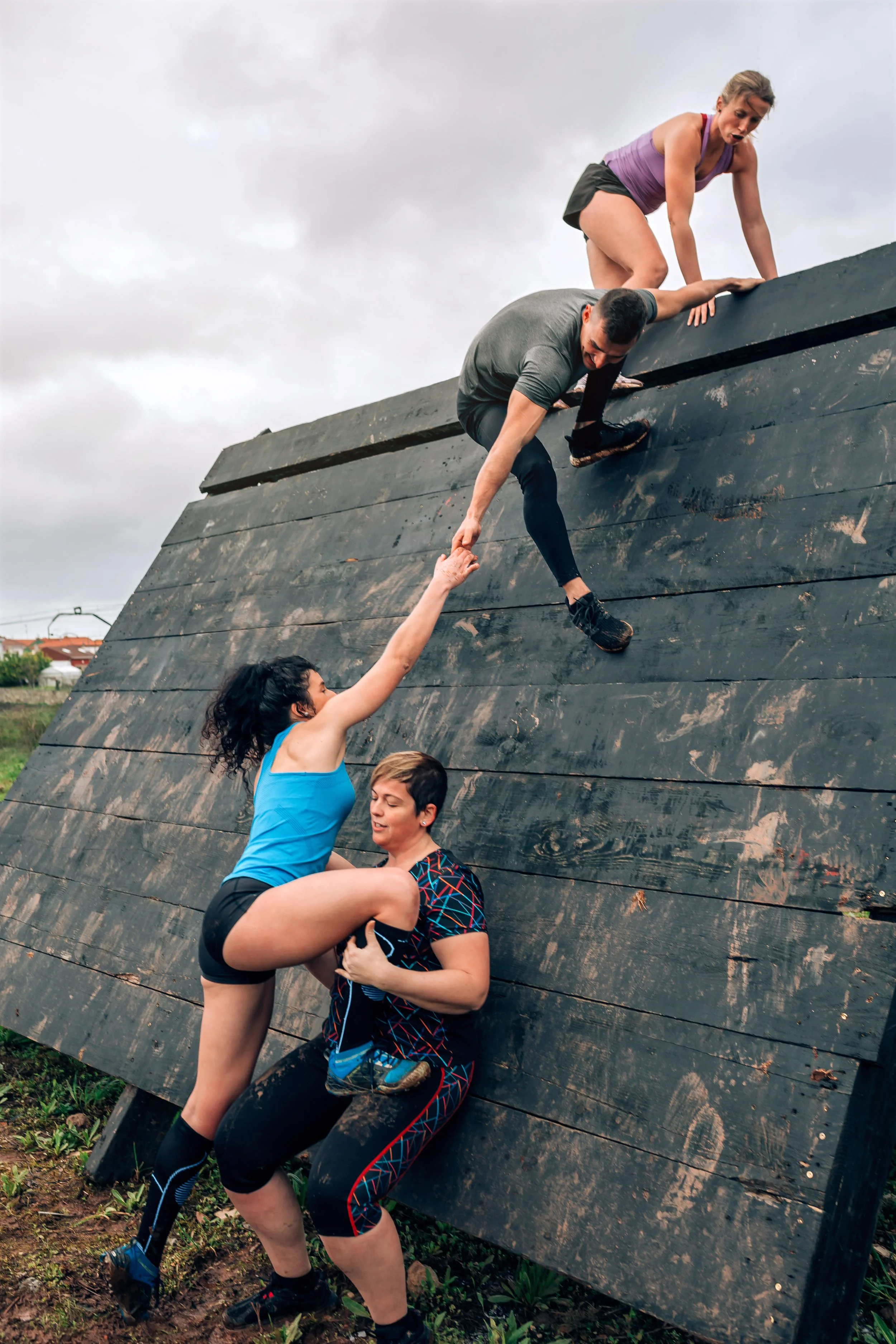
No Barrier Too Big for the Team
We were running a reliability and center lining Kaizen for a vinyl siding plant in Maryland. These events often unlock 5% gains in yield and productivity and drastically reduce safety risks by 90% or more.
It was cold, so cold you could see your breath on the shop floor. Still, the team stayed focused. We spent the first two days teaching principles and establishing a center line for the process, leveling equipment, and planning the rest of the week.
Then, on day three, disaster struck. A critical water line broke, shutting down the fire suppression system. The plant was evacuated. We couldn’t even grab our tools. The event was abruptly canceled.
I left wondering: What would happen to the half-done work? Would the changes help or hurt? Would the team lose momentum?
One week later, the plant was operational again. Two months after the shutdown, we were back. Not only to finish the first line but to tackle a second. We had mostly the same team, plus a few new faces. We did a quick refresher on reliability principles and techniques and then went to Gemba. I was amazed. During the downtime, the team had already improved results using what they’d learned. They were fired up and ready to go.
We deployed most of the team to the new line, which had many of the same reliability issues. A smaller group returned to the first line to finish what we started. Over the next few days, we aligned, leveled, and pinned every critical element on both lines.
By day three, both lines were running better than anyone could remember. We locked in improvements and implemented the Wheel of Sustainability to ensure long-term results.
The approach has now been replicated throughout the plant and across their entire network of four additional sites. Better yet, they’ve built a workforce that believes in improvement and is hungry for more.
Even when the plan falls apart, a committed team can rise to the challenge. Reliability work is about precision and attention to detail. Culture is about perseverance and the drive to get things done.
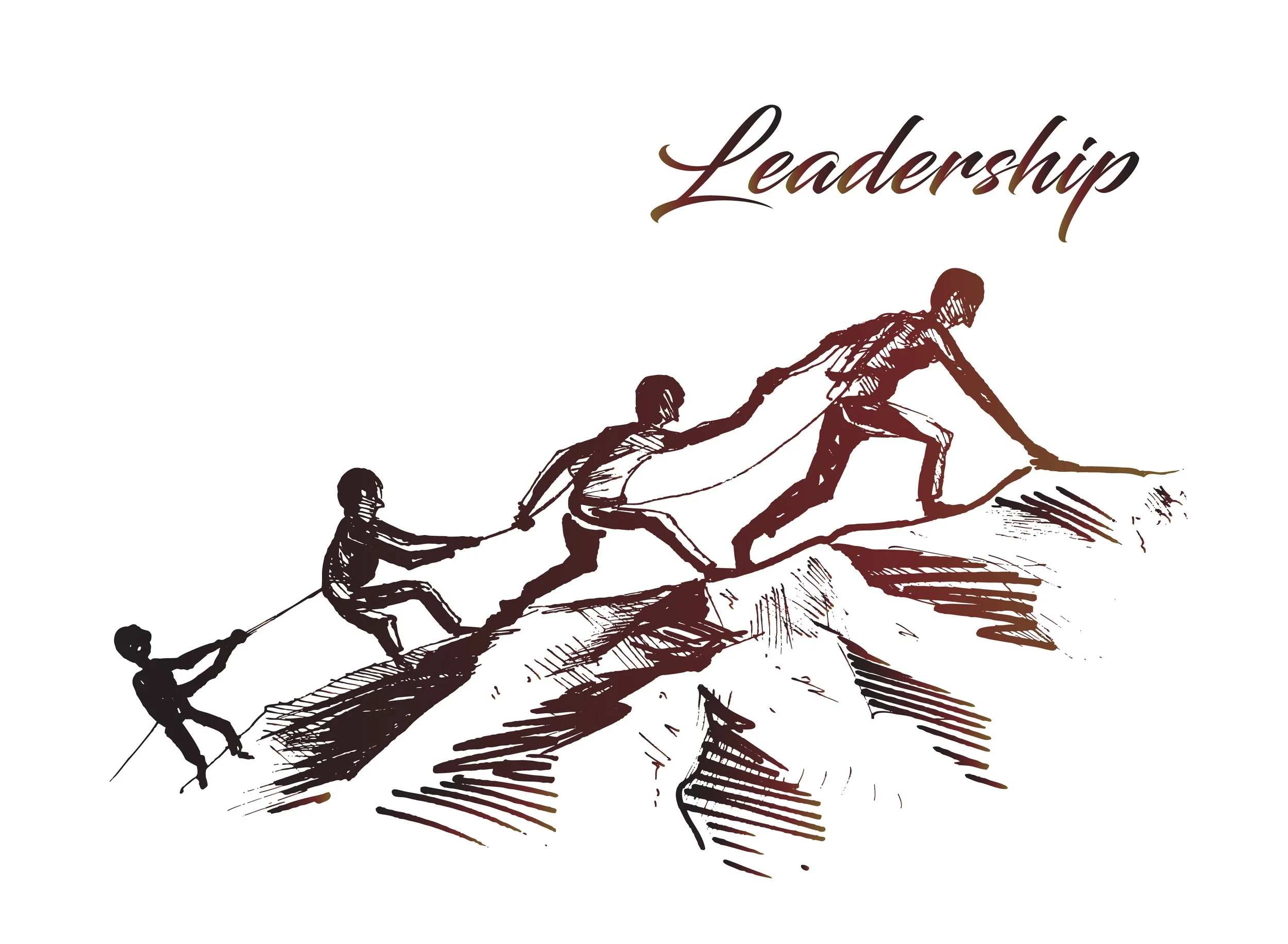
The Ultimate Leadership Commitment
When I engage with new clients, I always gauge one thing up front: Do they have true Leadership Commitment? Without it, even the best Kaizen efforts will fizzle. With it, anything is possible and sustainable.
One example I’ll never forget came during a follow-up 5S Kaizen in a New Jersey manufacturing plant. Our first event had reduced tool and supply search time by 90% and lit a fire in the maintenance team.
Not everyone had been part of that first event. Some sat out to keep operations running and were skeptical their voices would be heard. But once they saw the results, they were eager to join round two.
We expanded to new areas: the electrical repair shop, outside storage, a mezzanine, even a pair of old shipping containers in the parking lot. Deep into “Sort” on Day one, we got word of a serious chemical upset in the plant. Our team leader, the Maintenance Manager, had to leave. I assumed the Kaizen would be put on hold.
But the leadership team made a bold decision. They would personally handle the crisis. They donned hazmat suits and tackled the environmental emergency so our team could stay focused on improvement. We got the Maintenance Manager back quickly.
It wasn’t easy for our team leader to stay on the sidelines. Normally, this was his job. But the plant leaders valued the Kaizen event enough to step in themselves.
Yes, we lost a team member here or there for the emergency effort. But by the end of the week, the crisis was under control, and our Kaizen team had cut “find time” by over 70%.
The biggest breakthrough was the clear alignment and support that the team received from their sponsors. They felt like they were working on something important and they were. I have no doubt that their results will live on and more employees will want to engage in similar work. They now know that their leaders have their backs.
Leadership isn’t just about solving problems—it’s about creating space for others to do their best work. When leaders show up for their people, their people show up for the work.

Aligned Area Owners are the glue that holds things together – Part 2
I took a site visit to a new client that runs a paper mill in Oklahoma. After a solid day of meeting the leadership team and touring the site, we agreed on a series of Kaizen events, starting with two 5S events, one on the paper mill side of the plant, and the other one on the converting side. Talk about night and day! In Part I, we saw what happens when the area owner wasn’t aligned. This story is about an aligned area owner.
I took a site visit to a new client that runs a paper mill in Oklahoma. After a solid day of meeting the leadership team and touring the site, we agreed on a series of Kaizen events, starting with two 5S events, one on the paper mill side of the plant, and the other one on the converting side. Talk about night and day! In Part I, we saw what happens when the area owner wasn’t aligned. This story is about an aligned area owner.
After the first Kaizen event, I made sure Mike, my team leader, and Steve, our sponsor, were aligned about the approach and how we would need a strong Area Owner. They assured me it wouldn’t be a problem, as two of the participants from the first Kaizen were from their area and they were excited about what happened and what would be possible for their team.
From the moment we kicked off on Monday morning, the atmosphere was positive. Our two team members from the first Kaizen event had shared their stories of success with the new team members. Although there was skepticism, everyone seemed willing to help and try anything. The spaces were huge and the clutter seemed overwhelming. Our challenge was to reduce find and retrieval time by 75% or more. This might be a stretch to achieve.
The team immediately got to work and gave their all. By the middle of the second day, there was a remarkable change in the spaces. You could actually see the floor. Major safety issues had been eliminated and the clutter wasn’t overwhelming anymore. We could see a path to the finish and were inspired to beat the results of the first team.
During the week, we had many challenges, including finding and removing a kitty “graveyard” behind one of the storage racks (it was pretty disgusting), and going beyond our scope to rearrange some personal toolboxes in the area (I typically try to stay away from telling people how to arrange their personal stuff). The team pressed on, with an amazing breakthrough in their sights.
By the end of the fourth day, the transformation was stunning. Now, it was time to test “find and retrieval time,” We took six random items and assigned them to team members to find. The goal was to get below 2 minutes (from our baseline average of 8+ minutes). Each team member found their item and returned it to us in less than a minute. But, just to show we weren’t stacking the deck in our favor, we found two “volunteers.” Our first test subject was Steve, our sponsor. He found his item in less time than the team member who had been assigned the item in the first trial. Good thing he had a sense of humor about it!
Next, we assigned someone who had never been in the area to find a part. He took the information and walked into the wrong room. Team members wanted to help him. I told them to be patient and see how things played out. Our test subject entered the correct room after about 30 seconds of searching and went to the correct cabinet and returned the item to us in just over a minute. The team was ecstatic – they had won!
Afterwards, we went back to the meeting room and two team members volunteered to be the Area Owners, one for each room. They happily built their boards, created their audits, and took pride of ownership. What a difference from the first Kaizen event.
The vibe at the report-out was bursting with energy and excitement. All who attended were astonished at the transformation of the space and the full engagement and ownership of all of our team members. They all understood what we had done would positively benefit all of the maintenance employees, their managers, and the plant customers they served. The area owners were going to see to it things stayed that way.

When Someone Knows You Better than you Know Yourself
I met Cody at a conference in December. We got along so well he invited me to visit his new company in Florida. Before the conference was over, he asked for six copies of my book, “The Wheel of Sustainability.” He wanted a copy for every member of his leadership team. Cody told me he was going to require them to read it before my visit. I was happy to share my books, as no one had shown so much interest in them before. I never could have imagined the level of interest and enthusiasm of one person in particular.
I met Cody at a conference in December. We got along so well he invited me to visit his new company in Florida. Before the conference was over, he asked for six copies of my book, “The Wheel of Sustainability.” He wanted a copy for every member of his leadership team. Cody told me he was going to require them to read it before my visit. I was happy to share my books, as no one had shown so much interest in them before. I never could have imagined the level of interest and enthusiasm of one person in particular.
In January, I flew to Florida to visit Cody and his team for the day. I was met outside their new corporate building with a bear hug. Cody led me into a conference room and introduced me to his leadership team. I sat down and noticed 4 skeptical looking, “grumpy old men” sitting across the table. Cody sat on my side of the table, and in front of him was my book, with many pages dog-eared.
I introduced myself and shared my interest in the work they were doing in their new company. After a few minutes, one of the men across the table asked me a terse question. I interpreted it to mean, “Who are you and why are you here? We have more important things to do today.” I answered I might be able to help them on their journey as a start-up.
After a few more minutes of shallow questioning, the COO talked about a specific problem they were having. The CIO entered the conversation and after a few minutes, I shared a view of how I might go about solving the problem with a team. Cody then said, “That’s from page 144 of your book, isn’t it Adam?” I was shocked he knew the book well enough to cite the page number. He proceeded to show me it was indeed on page 144. Was this a coincidence?
The conversation started to get more engaging and now it was clear the leadership team was warming up to me and my approach. We started talking about another critical issue they were facing, and I shared my experience in helping other teams in similar circumstances. Cody interjected, “That’s right off page 198, isn’t it Adam?” I said, “I’m not really sure, but I think it’s in my book somewhere.” Cody showed me it was on page 198 and said, “Don’t you know what pages you put your wisdom in?” I replied, “Cody, I was so happy to finish the book I haven’t opened it since. You know my book better than I do!”
Now the room was on my side, we were talking about issues and I was demonstrating ways to help them they could use immediately. After about two hours, the meeting concluded and Cody walked me around the rest of the corporate facility, sharing his vision of what he hoped the company could become. I was inspired.
At dinner, Cody and his team agreed we should figure out a way I could be a part of their start-up journey. I was fortunate enough to be able to assist them for a while and now have the additional opportunity to work with Cody as a partner in my business. It turns out that no matter the circumstances, you should treasure those in your network who are there to support you and understand you better than you might understand yourself.

How to Ensure Standard Operating Procedures Don’t Collect Dust
We have been trying to get others to follow standard operating procedures since the Cavemen painted “Way to Kill Mastodon” on the cave walls!
We have been trying to get others to follow standard operating procedures since the Cavemen painted “Way to Kill Mastodon” on the cave walls!
But, try as we might, people still like to do things “their way”. And why not, most people think their way is best. But it may not be, and it may lead to errors and other problems. So, why aren’t we able to get people to follow standard operating procedures, the way they were meant to be followed?

The reason is that we haven’t really thought through what resources our teams need to properly follow standard operating procedures. This is why Process Improvement Partners LLC has developed The Wheel of Sustainability. With a hub and eight spokes, it all but ensures standard operating procedures will be followed.
Notification
The first and most traditional spoke in The Wheel of Sustainability. People are told there is a procedure and they are expected to follow it.
Training and Review
The second spoke gives people a chance to ask questions about the procedure, gain better understanding of it, and provide their input. If there are any opportunities to improve the procedure, this is a great time to uncover them. Buy-in for the procedure starts here.
Visible Evidence
The third spoke in The Wheel of Sustainability requires us to develop ways to show that the procedure is being followed, without having to interrupt the person doing the work. Is the procedure obvious, and are there visual cues that show things are happening as they should, in the proper sequence?
All Tools Available
The fourth spoke provides the person doing the work everything they need to do the job safely and productively. Are the tools easily accessible and in a logical location, or do they have to search for them? The tools can be physical (hammers, wrenches, screwdrivers, etc.) or virtual (databases, files on the computer, network connections, emails, etc.)
Clear Benefits
The fifth spoke in The Wheel of Sustainability asks if the person following the procedure sees it as being easier, more logical, and/or safer to accomplish. Have they been given a chance to give their input when the procedure was designed? Have they “seen for themselves” that this is a better way than what they did in the past?
Layered Audits
The sixth spoke requires others to engage with people as they follow the procedure, to make sure that they are following it, truly understand it, and can get help if they are unsure of the proper way to follow it. We also want to reinforce how important it is to follow the procedure as written. Audits should be visible and engaging, not hidden from view or disruptive. Many levels in the organization should participate at different times, thus the term “layered”.
Accountability
The seventh spoke in The Wheel of Sustainability asks the question, “What do you do if you observe someone who is not following the procedure as written”? This is the time to jump in and help them, not punish them. We need to understand why the person is not following the procedure and correct their behavior or provide more training. We must also hold ourselves accountable to help those who need our help. Do not turn a blind eye to improper work. Reinforce the proper way to follow the procedure.
Recognition
The eighth and final spoke ensures that people see the connection between the new procedure and improved results. We need to help people make that connection, so that it will lock in their commitment to continue following the procedure, even when no one is watching. It also gives credibility to the improvement efforts that generated the new procedure. Celebrate improved performance, when possible.
Leadership Commitment
The Wheel of Sustainability stays together with a strong hub. Leadership Commitment is that strong hub. Leaders must commit to helping, supporting, auditing, and providing everything necessary to make the procedure important and meaningful. Leaders should be visible. They should understand how the procedure impacts overall performance, and they demonstrate they are committed to the new procedure.
In summary, sustainability can be achieved through strong leadership commitment and investment in the eight spokes of The Wheel of Sustainability. Implementing this approach takes significant effort, so pick critical work first, get some practice implementing all eight spokes, and then add next level work. The more practice you get, the easier it becomes. The results will make the effort worthwhile.