
Kaizen Success Stories
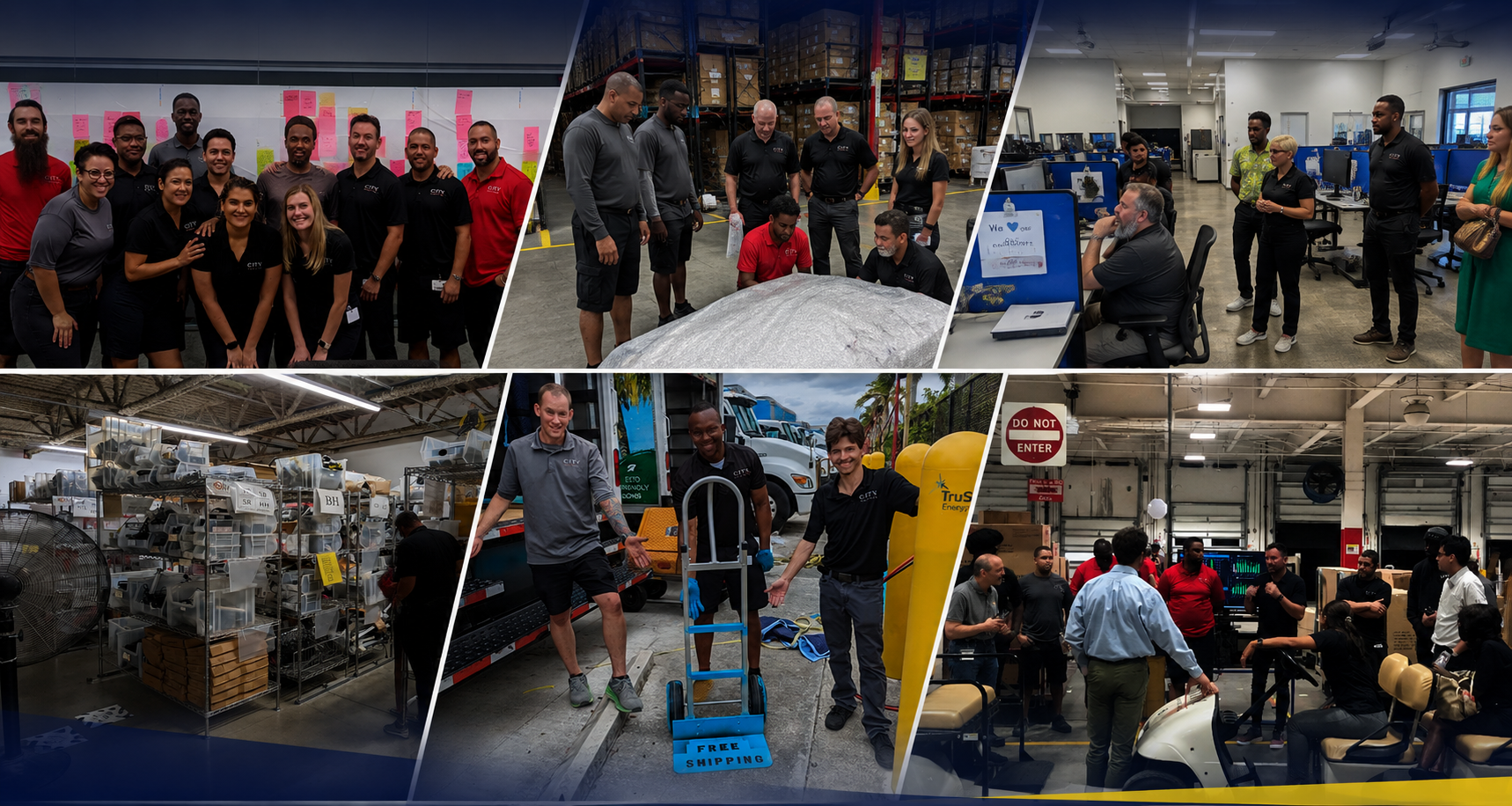
Real Manufacturing Results. One Kaizen at a Time
Explore real-world Kaizen success stories showing how manufacturing teams solved critical problems, improved performance, and created sustainable results.

Shine a Light on the Problem
The Corporate Quality Manager of a suspended ceiling manufacturer had a problem. When he wanted to check for defects on ceiling tiles, he had them shipped from the manufacturing plant and installed in ceiling grid in the corporate testing facility. This 12’ x 24’ ceiling grid configuration was adjacent to a large bank of windows. He then waited for the weather to cooperate. You see, he wanted the proper angle of sunlight to shine across the face of the tiles, and depending on the time of year and weather conditions, he might have to wait weeks to assess the quality of the tiles. The windows were often obstructed with testing materials, which made access and viewing even more difficult.

Speaking Up Takes Courage
In 2011, I was asked to assist a team in Pensacola, FL who wanted to improve processes in their distribution center. We were given four days to accomplish our task – reduce shipping damage by 50%. This was a tall order, but the team was up for the challenge.

Little Things Mean A Lot
A global consumer goods manufacturer was experiencing high levels of downtime, jams, and long changeovers on a critical production line. They invited Process Improvement Partners to their plant to observe and discuss the problem and identify opportunities for improvement. After reviewing performance, we took a walk to the line. The line was running, and after a description of line components, it became apparent there were quick opportunities to improve performance of the line. The techniques we would use were quite basic: leveling, squaring, aligning, and centering of products with the process. It seemed so simple, and the customers were skeptical. We suggested a five-day Kaizen to improve line reliability, scheduled for January 2019.

Lead from the Front – The Story of the Pink Tools
A large, multi-national company started their Lean journey in 2010. The company brought in consultants, who facilitated and guided Kaizen events and coached leaders at every manufacturing site around the world. One of their plants, in central Ohio, had a strong culture of employee engagement and was expected to lead the other plants in positive outcomes resulting from the Kaizen events. Early on, they weren’t able to identify an internal leader of their continuous improvement journey, so I was asked to act as the interim “Lean Champion” for the plant.

Even the Most Organized Person Can Improve
A global ceilings manufacturer wanted to improve the safety and productivity of its testing facility. Over the years, many capabilities had been added to the facility without regard to the needs of the technicians who worked there. Because of this and the lack of a managing system to ensure the organization and productivity of the facility, the technicians took it upon themselves to hold an annual “cleanup week” at the end of the year. All technicians would stop their project work and devote their time to go through equipment, materials, and spaces and clean out any clutter they felt they could get rid of.

The Team Has More Power Than It Thinks
A leading consumer products company shipped millions of boxes of goods weekly. Most of the time, large quantities of the same products were shipped on a wooden pallet, and loaded on a truck. The distribution center employees were used to picking full pallets of products out of racks, placing one label on the entire pallet, and then, placing the pallet of goods on a truck. In recent years, Amazon entered into an agreement with the company, and turned their efforts upside down.

A Tasty Breakthrough
A North American ceilings manufacturer was closing a plant that produced a product no other plant in the division could manufacture, due to specialized, but obsolete technology. They had a customer who was buying millions of square feet of this product annually. They knew they had to come up with an alternative the customer would approve of and keep buying after the old plant was closed.

From Russia with Love: The Spirit of Kaizen Lives in All of Us
A Russian ceilings manufacturing plant asked me to help them facilitate their strategic road map in 2017. This was an activity they did annually since the plant opened in 2015. I had been to Russia one time before, during construction of the plant, so I had some experience travelling there and working with the people. This time, I would be coaching their continuous improvement leader in how to organize and facilitate this important session.

PIP Helps Team in York, PA Improve Reliability of Critical Operation
Many consultants train and teach. I like to demonstrate and verify with teams that they truly understand the techniques for improvement that I am sharing with them. Most importantly, I want them to be able to take this work and transfer it to other parts of the factory without my assistance.

Listen To Your People, People
A Research and Development team wanted to create a three-year strategic plan. Their goal was to reduce the time it takes from a new product idea to launch of the new product. Many of the team members believed “you can’t schedule invention.” Working with the team leader, the Research and Development Director, we decided to focus on the work leading up to and supporting the invention, even if we couldn’t specify when an invention would occur. We agreed to use Value Stream Mapping as the approach to help the team accomplish their goals.

350 Business Owners
An engineered flooring plant in Kentucky was losing money. They knew their product yields were deteriorating and didn’t know what to do about it. Process Improvement Partners was invited for a site visit. After reviewing performance and discussing the issues with plant leaders in a meeting room, we took a Gemba Walk to see what was actually happening.

Owning Their Solution in the Weld Shop
I have conducted many workplace organization Kaizens (5S) over the years. The results have always been dramatic. All of the teams were made up of production operators or office workers, with some mechanics assisting the team. The production operators or office workers owned the areas needing organization and the mechanics were able to do some of the more complex tasks needed during the Kaizen. All of the teams, that is, until I met my Weld Shop team. Five mechanics and an engineer, who underestimated what we could accomplish.

Go See for Yourself – The Best Selling Tool There Is
In 2006, our Kaizen team was working on improving changeover time for a painting operation. After reviewing changeover reduction techniques with the team, we took a walk to the line to observe a changeover. The team watched the paint technician clean the front of the paint booth with water for approximately 10 minutes. After that, he walked behind the booth for a few minutes and then came back to work on the front of the paint booth. None of the team members had followed him to see what he had been doing in the back of the booth.

Sometimes It’s a Financial Question
A global ceilings manufacturer was building a plant in China. Things were going pretty well until they realized they were going to be two months late starting up. The team wasn’t sure what they could do to get back on schedule, so I was invited to join them and use Lean thinking to help solve the problem.

Breaking Through - The Edge
In 2005, I was asked to help a team reduce the changeover time of a painting operation at a ceiling tile manufacturing plant in Oregon. The approach I used was SMED – Single Minute Exchange of Die. The goal was to reduce the existing changeover time by 50% or more, while improving the safety of the work.

Improving Changeover Time in 4 Simple Steps
Have you ever watched an auto race? If so, you probably noticed what happens when a car enters Pit Row and is tended to by a whole team of people trying to get it back on the track as fast as possible. If you wondered how they knew what to do and how they didn’t get in each other’s way, the answer is SMED.

The Pursuit of Creativity
In my years of running Kaizen events, I never saw anything as powerful as a creativity approach called 3P – Production Preparation Process. The goal is to eliminate waste in the design of a new or existing process or product in the maximum way possible, unlocking the creativity of the team in ways most of them have not experienced. In 2016 I was fortunate enough to experience this approach through the eyes of the man who invented it, Chihiro Nakao.

Use Standardized Work to Unleash Creativity
Most people don’t like being told what to do. They definitely don’t want to be told how to do it. But, with proper standardized work, we can show people the right way to do things and free their minds to work on more complex problems that they face.

How to Use Kaizen to Ensure Teams are Invested in Process Improvements
In 2005, I was helping a team improve the safety and productivity of their operating line. During a 4-day span, each of the team members was able to try and implement many different ideas that arose from their creativity.

How to Organize Your Work Space With 5S
In the world of Lean Manufacturing, 5S is used to organize workplaces to make them safer and more productive. Although many great manufacturing organizations and others have been credited with inventing or popularizing 5S, I’m pretty sure my mom invented it.