
Kaizen Success Stories
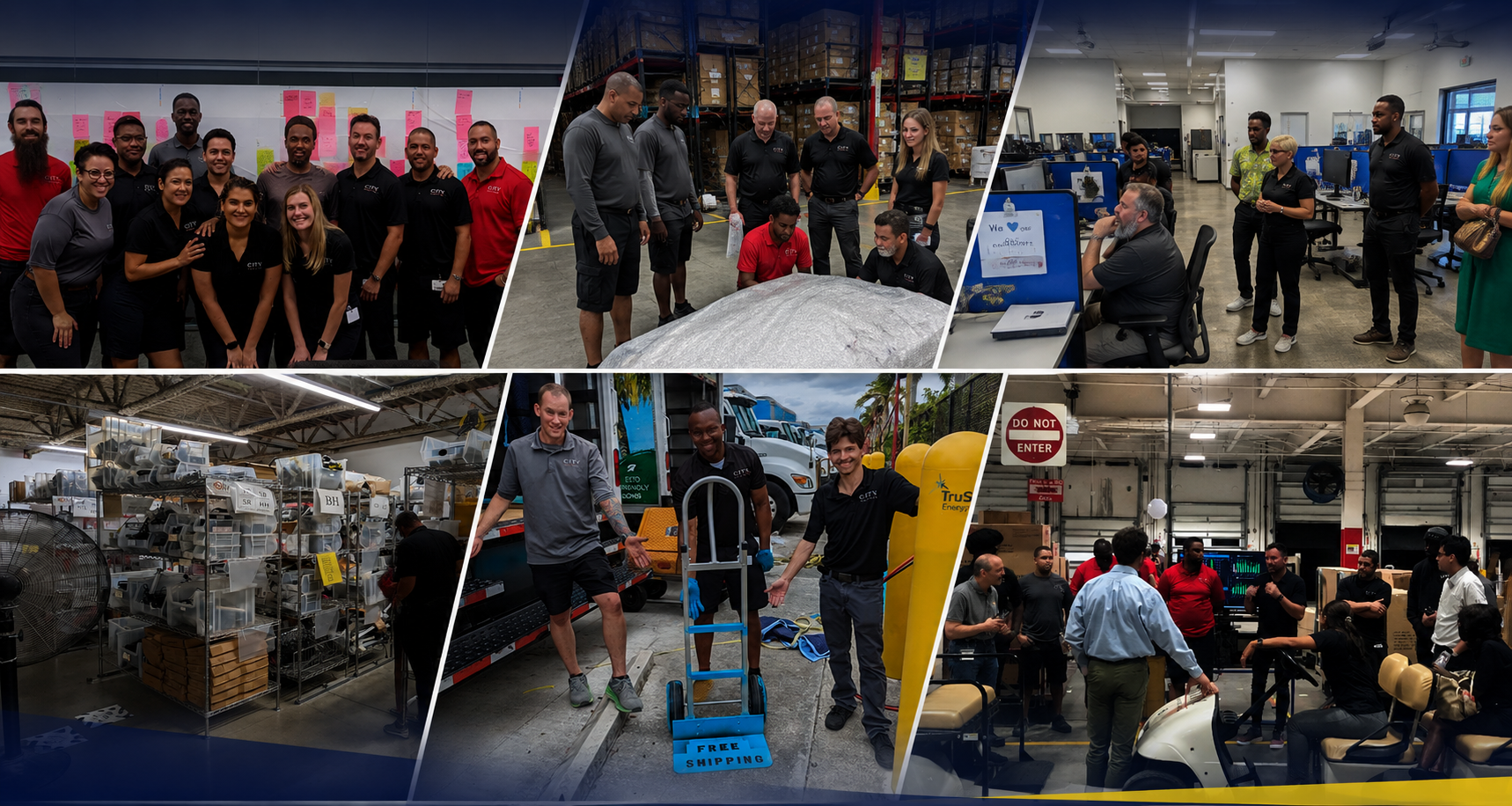
Real Manufacturing Results. One Kaizen at a Time
Explore real-world Kaizen success stories showing how manufacturing teams solved critical problems, improved performance, and created sustainable results.

A Little Dab Will Do Ya
In 1991, I was offered a line supervisor position at Armstrong’s ceiling grid factory in Franklin Park Illinois. I had been working as a staff Industrial Engineer at Thomasville Furniture in Thomasville North Carolina, so the position would be my first operations supervisory role.

Kaizen Every Day – The Armstrong Lockout
In all my years doing continuous improvement work, I worked with teams during Kaizen events of short duration, or influencing continuous improvement behavior daily. Never did I think I would be doing 6 months straight of Kaizen. That is, until the Armstrong Lockout.

With Persistence and Desire, Anything is Possible
I started working for Thomasville Furniture out of college as an Industrial Engineer. Born and raised in Maryland and working in North Carolina, I was called “Yankee,” and I had to prove myself worthy every day. I felt like I was up for the challenge. My mother reminded me I was born south of the Mason Dixon line, but it didn’t seem to matter to North Carolina natives.

Overcoming Resistance to Change
Process Improvement Partners was brought in to help a consumer goods manufacturer cut their changeover time (the time it takes to switch tooling and equipment over from one product to another) in half. By doing so, they would be able to reduce inventory and improve process performance.

Don’t Shortcut the Process if You Want Results
Process Improvement Partners was asked to develop and deliver a global cost reduction ideation session for a leading consumer products manufacturer. In early phone conversations with the client, we discovered that prior attempts at this effort had less than desirable results. The next logical step was to visit the client and discuss the approach for the session.

Shine a Light on the Problem
The Corporate Quality Manager of a suspended ceiling manufacturer had a problem. When he wanted to check for defects on ceiling tiles, he had them shipped from the manufacturing plant and installed in ceiling grid in the corporate testing facility. This 12’ x 24’ ceiling grid configuration was adjacent to a large bank of windows. He then waited for the weather to cooperate. You see, he wanted the proper angle of sunlight to shine across the face of the tiles, and depending on the time of year and weather conditions, he might have to wait weeks to assess the quality of the tiles. The windows were often obstructed with testing materials, which made access and viewing even more difficult.

The Little Team That Could and Did
Process Improvement Partners (PIP) recently conducted a free site assessment for a small electronic targeting systems company in Glen Rock, PA.

Speaking Up Takes Courage
In 2011, I was asked to assist a team in Pensacola, FL who wanted to improve processes in their distribution center. We were given four days to accomplish our task – reduce shipping damage by 50%. This was a tall order, but the team was up for the challenge.

Little Things Mean A Lot
A global consumer goods manufacturer was experiencing high levels of downtime, jams, and long changeovers on a critical production line. They invited Process Improvement Partners to their plant to observe and discuss the problem and identify opportunities for improvement. After reviewing performance, we took a walk to the line. The line was running, and after a description of line components, it became apparent there were quick opportunities to improve performance of the line. The techniques we would use were quite basic: leveling, squaring, aligning, and centering of products with the process. It seemed so simple, and the customers were skeptical. We suggested a five-day Kaizen to improve line reliability, scheduled for January 2019.

Where Is It?
In 2010, the company I used to work for decided to go Lean. They brought in consultants, who taught tools and techniques to employees all over the world. One tool I learned from them was 3P - Production Preparation Process. This technique maximizes creativity of a team by driving their thinking way beyond their comfort level.

Lead from the Front – The Story of the Pink Tools
A large, multi-national company started their Lean journey in 2010. The company brought in consultants, who facilitated and guided Kaizen events and coached leaders at every manufacturing site around the world. One of their plants, in central Ohio, had a strong culture of employee engagement and was expected to lead the other plants in positive outcomes resulting from the Kaizen events. Early on, they weren’t able to identify an internal leader of their continuous improvement journey, so I was asked to act as the interim “Lean Champion” for the plant.

Even the Most Organized Person Can Improve
A global ceilings manufacturer wanted to improve the safety and productivity of its testing facility. Over the years, many capabilities had been added to the facility without regard to the needs of the technicians who worked there. Because of this and the lack of a managing system to ensure the organization and productivity of the facility, the technicians took it upon themselves to hold an annual “cleanup week” at the end of the year. All technicians would stop their project work and devote their time to go through equipment, materials, and spaces and clean out any clutter they felt they could get rid of.

The Team Has More Power Than It Thinks
A leading consumer products company shipped millions of boxes of goods weekly. Most of the time, large quantities of the same products were shipped on a wooden pallet, and loaded on a truck. The distribution center employees were used to picking full pallets of products out of racks, placing one label on the entire pallet, and then, placing the pallet of goods on a truck. In recent years, Amazon entered into an agreement with the company, and turned their efforts upside down.

A Tasty Breakthrough
A North American ceilings manufacturer was closing a plant that produced a product no other plant in the division could manufacture, due to specialized, but obsolete technology. They had a customer who was buying millions of square feet of this product annually. They knew they had to come up with an alternative the customer would approve of and keep buying after the old plant was closed.

Top 5 Continuous Improvement Books
I have read many books on Lean, Six Sigma, and other Continuous Improvement methods over the years. Some inspired me, some frustrated me, and all made me think. The following 5 (and two honorable mentions) are my all-time favorites.

PIP Visits Dogfish Head Brewery
One of the benefits of being in business for yourself is to decide what’s most important to you and then prioritize your time to let you do what you are most passionate about.

From Russia with Love: The Spirit of Kaizen Lives in All of Us
A Russian ceilings manufacturing plant asked me to help them facilitate their strategic road map in 2017. This was an activity they did annually since the plant opened in 2015. I had been to Russia one time before, during construction of the plant, so I had some experience travelling there and working with the people. This time, I would be coaching their continuous improvement leader in how to organize and facilitate this important session.

PIP Helps Team in York, PA Improve Reliability of Critical Operation
Many consultants train and teach. I like to demonstrate and verify with teams that they truly understand the techniques for improvement that I am sharing with them. Most importantly, I want them to be able to take this work and transfer it to other parts of the factory without my assistance.

Listen To Your People, People
A Research and Development team wanted to create a three-year strategic plan. Their goal was to reduce the time it takes from a new product idea to launch of the new product. Many of the team members believed “you can’t schedule invention.” Working with the team leader, the Research and Development Director, we decided to focus on the work leading up to and supporting the invention, even if we couldn’t specify when an invention would occur. We agreed to use Value Stream Mapping as the approach to help the team accomplish their goals.

350 Business Owners
An engineered flooring plant in Kentucky was losing money. They knew their product yields were deteriorating and didn’t know what to do about it. Process Improvement Partners was invited for a site visit. After reviewing performance and discussing the issues with plant leaders in a meeting room, we took a Gemba Walk to see what was actually happening.