
Kaizen Success Stories
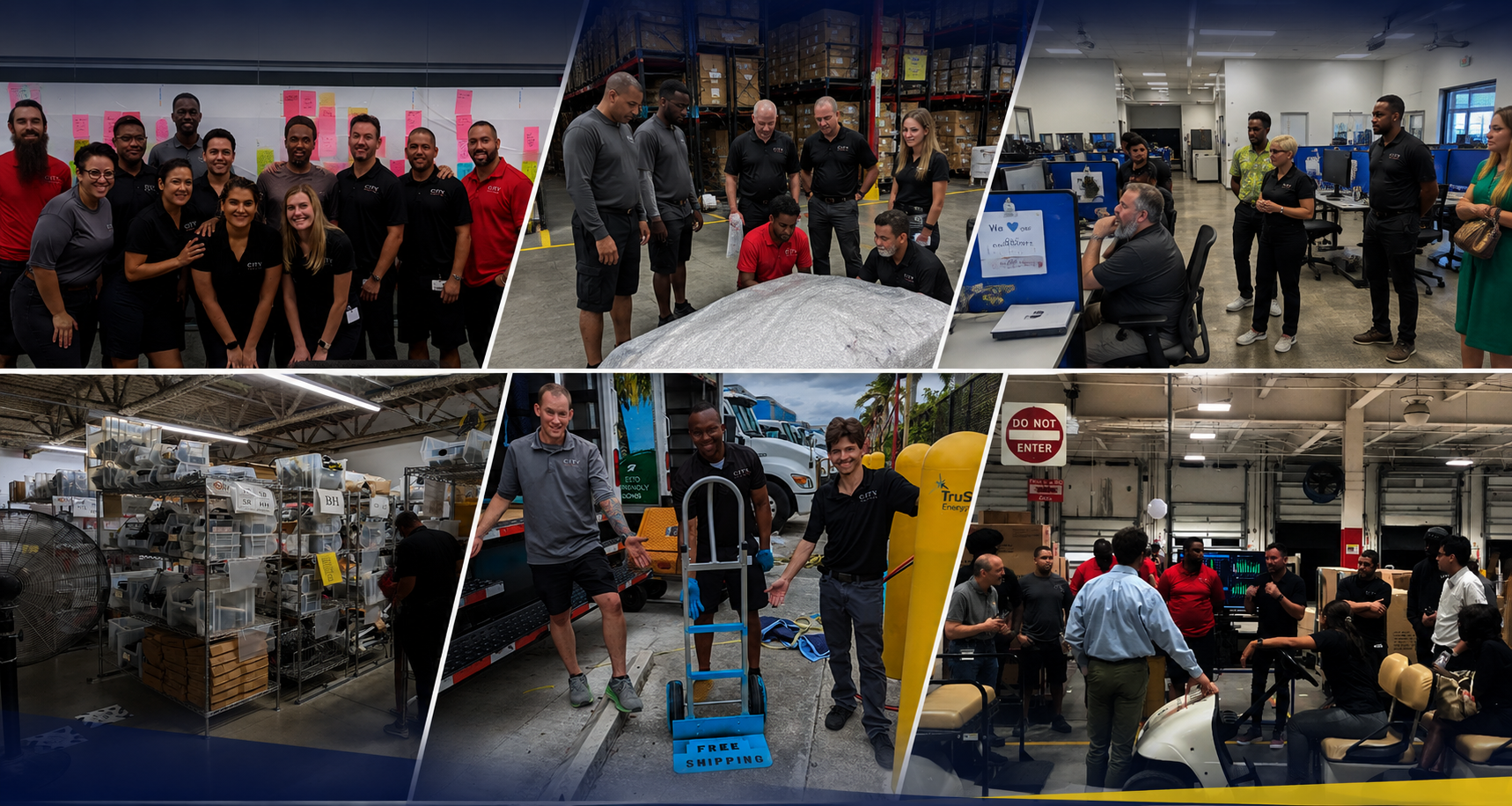
Real Manufacturing Results. One Kaizen at a Time
Explore real-world Kaizen success stories showing how manufacturing teams solved critical problems, improved performance, and created sustainable results.

My First Process Improvement Project
I graduated from Virginia Tech and went to work as a corporate industrial engineer for Thomasville Furniture in North Carolina. Harriet was my first mentor. She was working on a project to improve the productivity of one of our bedroom furniture manufacturing facilities.
I graduated from Virginia Tech and went to work as a corporate industrial engineer for Thomasville Furniture in North Carolina. Harriet was my first mentor. She was working on a project to improve the productivity of one of our bedroom furniture manufacturing facilities.
I was totally inexperienced supporting manufacturing operations, but Harriet could tell I was curious and interested in helping her in any way she needed support. After a few trips to the plant, she decided to use my help organizing a wood drying and storage facility that supplied the vital materials to the plant. The wood was received from an outside source and had to be dried for a few days before the plant could process it into bed rails, canopies, dresser drawers, and other furniture components.
It must have been over 100 degrees when we took our first walk through the Butler Building (the storage facility). Inside was a massive amount of wood stacked up all over the dirt floor. There didn’t seem to be any organization to it. Two workers were sitting on a stack of wood talking about the latest NASCAR race.
I told Harriet I wanted to spend time in the building and convinced her to let me go “solo” for the rest of the week. The next morning, I showed up at 7 am. The two workers, Sam and Joe, were surprised to see me. I was an engineer who was willing to hang out with them. More than that, I was a “Damn Yankee” from up North (their words, not mine).
I got to know Sam and Joe and followed them around as they did their jobs. Whenever they got a call on their walkie-talkie, they’d jump on their forklifts and dig out requested loads of wood and bring them to the main plant. They dealt with two key problems:
1. The forklifts would dig ruts into the dirt floor, making it difficult and dangerous to maneuver through the building.
2. Different species of wood were stored in the same aisles of the building, forcing the workers to move big stacks of wood to get to what they needed. Oftentimes, it would take many minutes to find the stack of wood they were looking for. Sometimes, the stack would fall over and they’d have to pick everything up and restack it.
At the end of the week, I reviewed my findings with Sam, Joe, and Harriet. They confirmed these two issues were hampering their work and reducing their productivity. Together, we came up with a plan to pave the floor and organize the wood by species.
Within a month, we reorganized the building and paved it. We put up signs on the walls indicating storage locations. I visited the building many times to verify it was helping Joe and Sam do their job more safely and productively.
A month after we paved the floor, I stopped by and asked Joe and Sam if things were still working the way they wanted. They were proud to show me they had made a few improvements of their own that made things even easier. It was a win. Then, they told me that even though I was a “Yankee,” I wasn’t a “Damn Yankee” anymore. Now I was a “Good Yankee.”

The First Area Owner at the Furniture Company – the Story of Abraham
I was facilitating a Kaizen event for a large furniture retailer in Florida. They offer many services that set them apart from their competitors. They have a nice sales and service advantage and impressive customer loyalty. The Kaizen topic we were working on was the use of replacement parts in their process. Our goal was to reduce the amount of replacement parts needed.
I was facilitating a Kaizen event for a large furniture retailer in Florida. They offer many services that set them apart from their competitors. They have a nice sales and service advantage and impressive customer loyalty. The Kaizen topic we were working on was the use of replacement parts in their process. Our goal was to reduce the amount of replacement parts needed.
After Lean training on Day 1, we went out into the Gemba (a Japanese term, meaning the place where the work is done) and saw many areas where parts could be misplaced or lost. There was an area where parts were stored for the entire distribution center. It looked as if it had been hit by a tornado. There was so much clutter that the team knew it would be a high priority project for the Kaizen week. The number of parts and clutter was overwhelming. Would they be willing to put in the effort and time it would take to get things organized?
Three very ambitious team members picked the parts storage area as their project. Abraham, who normally worked in the area, said that they had been working on it for years. He didn’t think they’d be able to do anything to correct the situation, especially in a week. As facilitator, I had to rely on my team. They decided it was so important that they would go for it.
The three team members got help from people outside of the team. By the end of the week, the parts storage area looked like it was brand new. Everything was organized, clutter was removed (at least 75% of what had been stored there), and there were barcode labels on every bin to help manage the parts inventory. They worked many hours beyond the scheduled team hours and refused to stop until they were done.
On the morning of the third day, when we realized that it might be possible to organize the parts storage area, I reviewed “area ownership” with the team. I told them that at my prior company we had area owners who managed things and held people accountable to always do the right thing. Leadership “had their backs” and it made things safer and more productive. I also told them that it took a while to train leadership to behave that way, but once they saw the value of area ownership, they got on board.
Abraham raised his hand and said, “I want to be our first Area Owner.” I was stunned. Here was someone who had been skeptical on the first day and now he was courageous enough to step up and try something new. We were excited for him. The rest of the week we did everything possible to get the area into the best possible shape and designed our system to sustain it, using the Wheel of Sustainability.
The report out at the end of the week was well attended. When we took the leadership team into the parts storage area, you could hear a pin drop – they were blown away. Then, something magical happened. Abraham told them that he was the Area Owner and he needed their help and support to keep the area in its optimal condition. He shared his expectations for himself and for leadership. He showed them how he wanted to be audited on a weekly basis. I was proud of him and the rest of the team.
The area has been working as well as or better than the Kaizen team left it.I now use it as an example of what can be achieved in a short period of time and how well it can be sustained. Many newer Kaizen team members take a tour through the space and when Abraham is there (which is most of the time) he shares his story and tells them how important it is to meet his expectations. He is a model for what’s possible when you take ownership and care about your customers.

Charting a Course of Critical Information
I was asked to facilitate a 5S Kaizen at an electronics manufacturer. The specific area of interest was in a testing lab that was used to analyze components that failed in the field. There were an amazing number of parts and supplies in the lab. On first glance, the lab owner felt he needed everything in the lab to accurately perform testing. We must have removed 80% of everything in the space to improve the safety and productivity of the area.
I was asked to facilitate a 5S Kaizen at an electronics manufacturer. The specific area of interest was in a testing lab that was used to analyze components that failed in the field. There were an amazing number of parts and supplies in the lab. On first glance, the lab owner felt he needed everything in the lab to accurately perform testing. We must have removed 80% of everything in the space to improve the safety and productivity of the area.
When we were done, we assessed the critical elements of the process to see what we could improve on and optimize for the total system. We prioritized the fume hood area as the most critical part of the process. Essentially, every component that came back from the field had to have all internal gasses purged before it could be assessed and repaired. This was a critical safety requirement.
Different components had different gasses internally and some of those gasses were hazardous. They had to go through a full purging cycle before any other work could begin. Paul, the lab owner, had worked there for many years. When he wasn’t sure which gas was present, he would contact Jeff, an engineer. Jeff could help Paul identify the gasses present and the proper purging cycle.
Customers were anxious to get their equipment back in a timely fashion. The lab couldn’t rush the purging cycle and the testing that came afterwards. Many times, Jeff wasn’t available when Paul needed the critical purging information and the equipment waited days or weeks before purging could start.
It just so happens that Paul and Jeff were on the Kaizen team. When this critical issue was raised, Jeff told us that he had an idea and would need some time to work on it.
An hour later, Jeff came back to the lab and showed us his idea. It was a chart of the top components. They comprised more than 98% of the total possible items that could come through the lab. He identified the gasses and the purging requirements for each one. Now, Paul could start his work without having to track down Jeff. Customers would get their results much sooner.
In the end, it worked out even better than we could imagine. Paul retired shortly after the Kaizen and his replacement was quickly trained to perform to the standards Paul had set for the lab. The customer never waited too long for their results due to the contributions of Paul, Jeff, and the rest of the Kaizen team.

A Random Birthday Message Leads to a Strategic Planning Session
We hear so much about lead generation, Search Engine Optimization, and other marketing methods. I don’t know much about marketing, but I do know strong relationships can lead to business partnerships.
Many years ago, I was Business Team Manager for one of Armstrong World Industries’ flooring business units. I had a co-worker named Jonah, who was the Business Team Manager for another business unit at the same site. He helped me in my early days on the job. He was promoted soon after I got there. Eventually he left the company to go on to bigger and better things.
We hear so much about lead generation, Search Engine Optimization, and other marketing methods. I don’t know much about marketing, but I do know strong relationships can lead to business partnerships.
Many years ago, I was Business Team Manager for one of Armstrong World Industries’ flooring business units. I had a co-worker named Jonah, who was the Business Team Manager for another business unit at the same site. He helped me in my early days on the job. He was promoted soon after I got there. Eventually he left the company to go on to bigger and better things.
Many years later, I connected with Jonah on LinkedIn. After that, I would send him birthday greetings and messages related to his career changes that were highlighted on the platform. Recently, I sent him a message that said, “Happy birthday my old friend, I still remember and appreciate all of your help and support during our days together at the Floor Plant.”
To my surprise, he responded, saying, “Thanks Adam, have you ever done capacity analysis?” I had, and when I asked him for more information, it led to a call and eventually a visit to his custom door facility in Florida.
We spent the day together and realized we could accomplish his capacity analysis request and build a strategic plan for business growth using a Value Stream Mapping event.
Two months later, I was facilitating Jonah’s team through their first ever Kaizen event. They were eager to be a part of the change and were engaged throughout the week. It went so well, they were able to achieve all of their objectives and create a vision of the future the rest of the facility and leadership could align around and support.
I understand why others may think they need to use expensive marketing methods to attract clients. I prefer to think strong relationships produce greater dividends, if you truly care about the people you work

Strengthening a Kaizen Culture
A good friend of mine asked me to speak at his Virtual Lean Summit. I was scheduled to present on the Wheel of Sustainability on Thursday. When I looked at the agenda for the week, I found several presentations I wanted to attend. One stood out to me as a must – the Tuesday presentation by the President of a large furniture retailer in South Central Florida.
A good friend of mine asked me to speak at his Virtual Lean Summit. I was scheduled to present on the Wheel of Sustainability on Thursday. When I looked at the agenda for the week, I found several presentations I wanted to attend. One stood out to me as a must – the Tuesday presentation by the President of a large furniture retailer in South Central Florida.
He was going to speak about the 15-year Lean journey at his company. Even more interesting to me was that he was the impetus for it. I looked forward to hearing the top leader in the company talk about building a continuous improvement culture from the ground up. Support all the way to the top of the organization is the ideal situation. I had never had the opportunity to see what it looked like.
The presentation was inspiring and I learned so much from it. When it was over, I wanted to know more. That evening, I sent a LinkedIn connection request to the President of the company and told how much I enjoyed his presentation. I mentioned I was an “old furniture guy” with many years of Lean experience and that it would be fun to share some furniture “war stories” with him.
Within an hour, he responded, and we set up a Zoom meeting for the next day. We talked for a few minutes, and I shared stories about the adventures I was having with my Kaizen teams. He remarked that they had held many Kaizen events in the past. They hadn’t done any in a few years and he missed the energy and excitement of Kaizen events. I said, “It turns out I know a guy who can help you with that.” He asked who that was. Of course, the answer was me! He said I should come for a visit to see if there were any synergies that we could both benefit from.
Two months later, I traveled to their corporate offices. I had the opportunity to meet with many staff members to see their continuous improvement culture. I shared my approach to Kaizen and continuous improvement. At the end of the day, I went to dinner with the President and he told me that pending a few more discussions, he wanted to know if I could support and facilitate 12 Kaizen events over the next year. What could I say? I said yes!
The following month, I signed my first contract to facilitate one Kaizen event per month. The President, who had now become company CEO, told me that beyond results, he wanted to focus on strengthening the Kaizen culture of his company. I was asked to focus on what I enjoy the most: engagement, empowerment, and sustainability.
The first year of working with the company was a true pleasure and a joy. The culture of continuous improvement is already strong and the leadership does what it takes to support every Kaizen team I facilitate. We have experienced breakthroughs and setbacks during our Kaizen weeks together, and the response has been extremely positive throughout. They value learning and culture more than pure results. Make no mistake, results do matter.
Things went so well, they signed up for a second year of facilitated Kaizen events. I am looking forward to a bright future with my client.

Three Principles for Funding
During my time living on the west coast, I wanted to give back to the community. Many of the staff at the St. Helens, Oregon plant participated in some way or another with the United Way of Columbia County. I was intrigued. I had participated in many United Way Days of Caring during my time in Pennsylvania.
During my time living on the west coast, I wanted to give back to the community. Many of the staff at the St. Helens, Oregon plant participated in some way or another with the United Way of Columbia County. I was intrigued. I had participated in many United Way Days of Caring during my time in Pennsylvania.
The plant manager had been the Chairman of the Board of Directors for the local chapter, and she suggested that I volunteer on their Board in some way. I liked the idea and once I met the people in charge of the United Way, I knew I had found my place.
There were three ladies who did most of the work. They were working out an old school building that had been donated for their use and other community activities. They had a very limited budget, but they were able to get many things donated so they could touch many areas of the community without spending huge sums of money.
They accepted me onto the Board of Directors, and I had to figure out how I could best help them. I went out on many outreach efforts and noticed that no matter how much money or time we had, it was never enough.
During our annual preparation for the upcoming budget year, I noticed there were more requests for funding than the United Way could handle. It was apparent every request had merit and the board members wanted to fund everything. That would be impossible, of course. We had to come up with a way to narrow the requests for funding down to the highest priority for the allocation of resources. Now I knew how I could help.
I offered to facilitate the annual budgeting meeting and created an agenda to help make the tough decisions on what to fund and what to deny. I got each board member to name their top focus for funding and then using a prioritization technique called “multi-voting” I was able to help align everyone around the three top priorities for United Way funding:
Early childhood education – starting kids out on the right foot early sets them up for success in later years.
Food security – provide meals to those who cannot provide for themselves.
Home security – giving everyone a roof over their heads every day.
Once we identified these priorities, we could allocate funding to those requests that were aligned with them. Anything that didn’t fit the top three would have to be funded in another way. It made a difficult message easier to support and share. We were clear in our principles and the reasoning behind them.
For the next few years, we checked back in our priorities and adjusted where necessary. As we did our work in the community, we could verify our priorities truly aligned with the needs of the people we served.

Scripting Changeovers Leads to Consistent Performance
I moved to Armstrong World Industries’ St. Helens Oregon ceiling tile plant and took as Production Manager for three years. During that time, I was able to test many Lean principles and improve my understanding of how to manage an organization to high performance.
I moved to Armstrong World Industries’ St. Helens Oregon ceiling tile plant as Production Manager for three years. During that time, I was able to test many Lean principles and improve my understanding of how to manage an organization to high performance.
John, the Vice President of Operations, offered me the job with one stipulation. I had to complete the “15-minute changeover” project I had been working on as a team member. I agreed and knew I could influence the organization’s performance as an insider, rather than as a corporate resource.
We had already made capital improvements to the line and developed most of our “One Best Way” changeover procedures through a series of Kaizen events over the life of the project. Now, it was up to me to come up with the operating principles and approach to strengthen the improvements and sustain the gains from the teams’ hard work.
In an earlier story, I talked about how I created alignment around everyone helping during the changeover and not sitting in the breakroom if their part of the line wasn’t changing over. That reduced average changeover time by 3 minutes or more. Now, we needed to come up with a way to communicate and coordinate everyone’s efforts to get the line up as safely and effectively as possible.
We placed lights at seven different stations around the line. We called them the “Towers of Light” and the idea was if the light was yellow, you were in the middle of making your changeover adjustments. If it was red, you needed help, and if it was green, you were ready. We thought the use of the lights would indicate status to everyone and the line would start up immediately when all 7 lights were green.
It didn’t happen as planned. People were so focused on what they were doing and what light to light, that they didn’t pay attention to anyone else’s status. We needed to add an extra layer of communication to our process.
Working with a small team of technicians, we developed a “script” to be followed before, during, and after the changeover. We used the plant public address (PA) system and it went like this:
Before the changeover, the Changeover Coordinator would announce the changeover to be completed from what product to the next product, the target time for the changeover, and a reminder to light the Tower of Light to show status at every station.
During the changeover, each of the technicians at the seven stations would announce their status over the PA system as they became ready or needed help.
After the changeover, the changeover coordinator would announce the results of the changeover and congratulate the team if they met or beat the changeover time target.
For the first month, people didn’t want to follow the script and often made fun of it as they were doing it. Then we started to see improved changeover results. All of a sudden the script became critical to our technicians. Instead of making fun of it they had fun with it. They started competing to see who could announce that they were “READY” before all others. They would encourage each other and hoot and holler when they met or beat the target time. Our results continued to improve, and the changeover script became part of the culture of the plant for the rest of my time there and beyond.

Guiding Principles – Let Your Conscience Be Your Guide
During my career at Armstrong World Industries, I honed my kaizen approach and spent more travel time at the Macon, Georgia plant than at any other location. That’s why I have so many stories to share about my time there.
During my career at Armstrong World Industries, I honed my kaizen approach and spent more travel time at the Macon, Georgia plant than at any other location. That’s why I have so many stories to share about my time there.
In another story, I talked about being called the “Conveyer Whisperer.” I was always looking at board flow around the miles of conveyers that snaked through our factories and trying to figure out how to improve flow and reduce jams.
I was invited to the Macon plant to try my hand on the busiest line at the world’s largest ceiling tile plant. I met David, the Business Unit Manager, and he showed me the areas he thought were causing the most downtime and jams on his line.
As I watched boards go around the line, I noticed many conveyer guides “pinching” the boards and sending them in places and at angles that were the root cause of the downtime and jams in my opinion. I shared my thoughts and improvement ideas with David. He didn’t agree. He bet me that my suggested changes to the guides and conveyers would make things worse.
Challenge accepted! I took his bet and proposed an experiment. I would take a small section of the line and make various changes to the guides and squareness of the conveyer. If my methods didn’t work, he could send me home to corporate on the next available flight. If my method worked, he had to let me continue and use necessary downtime to make changes to the rest of the line. He agreed.
David gave assigned a team of operators and mechanics to me. They were interested in what I thought I could do and my approach to the work. They were a bit skeptical that straightening out guides, removing guides, and leveling conveyers would make a difference in the flow around the line, but they were willing. I had to win the bet – I wasn’t ready to go home yet!
We picked our first target area. It was a small section of conveyer, leading to a stacking mechanism. Boards were flowing into guides that looked like “funnels.” Some were getting stuck, and operators were stopping the line to correct the situation and adjusting the guides.
We built a plan to shut the line down for two hours to find the center of the stacking mechanism, make one of the guides parallel to the direction of travel, and remove the guide on the opposite side of the conveyer. We would skew rolls to drive the ceiling tiles to the remaining guide and then allow them to straighten out as they approached the stacker.
We communicated our plans and then shut down and locked out the line for safety. The team got to work and made all the changes. David came out to see what we were doing and poke some fun at me regarding our bet. He told me that my jet to corporate was waiting!
We finished and took our locks off the line. When the line started up, we noticed a significant improvement in the flow of the boards into the stacker. The team was convinced our work helped and started cheering. David came out of his office to see what was going on. His eyes widened. He couldn’t believe what a difference our small changes made. And, we had removed excess equipment from the line, which got in the way of his employees.
David told me that my flight would have to wait. We had to do this work all over the line. For the rest of the week, we did similar work around the line. By week’s end, we had removed more than a dozen guides from the line and everything was flowing better than anyone remembered.
David told me he was disappointed that I didn’t remove more guides from the line and he was willing to have me come back in the future to complete my work. He’d even make my travel arrangements for me.

True Voice of the Customer
I have been fortunate to help strengthen the Kaizen culture of one of the largest furniture retailers in South Central Florida. They have been using Lean and Kaizen for more than 15 years and I have been facilitating many Kaizen events focused on improving operations performance and internal operations experience. A recent event focused directly on the end use customer.
I have been fortunate to help strengthen the Kaizen culture of one of the largest furniture retailers in South Central Florida. They have been using Lean and Kaizen for more than 15 years and I have been facilitating many Kaizen events focused on improving operations performance and internal operations experience. A recent event focused directly on the end use customer.
The goal of the Kaizen event was to reduce “Day of Delivery” damage. This is the damage that occurs to either the furniture as it is being delivered to the customers’ home or to the customer’s home during delivery. This is a very critical topic. Anything that creates damage during delivery will be a negative experience for everyone involved: The customer, delivery technician, customer service representative, dispatch, and operations. Our goal was to reduce damage by 50% or more. A challenging goal, but attainable.
On day one, after training the team around Lean principles and aligning around our Kaizen goals, we took the first virtual Gemba walk I have ever participated in. We watched videos of customer deliveries and saw many instances where damage could occur, most notably in these areas: taking the furniture off the truck, getting it through the doorway, and over the home’s threshold.
The team got to work, designing the simplest, most effective way to solve the three critical problems. They came up with these three improvements:
Place a mat on the ground to protect the furniture from the street, driveway, or any other damaging surface.
Place a blanket on the door jamb, to keep the furniture and doorway from being scraped as it goes through the doorway.
Place a mat on the threshold of the house, to protect the bottom of the furniture and the threshold.
It seemed so simple. Now we were determined to develop standard work in a way that could be easily replicated across the hundreds of delivery drivers. We practiced our new ideas at the distribution center and received a lot of feedback. Most of the feedback was negative until the person tried the procedure. Then, they were convinced it would be easy and benefit the customer experience.
We were convinced we had something impactful. Now it was time to take our ideas on the road. We planned some local deliveries to allow team members to try out the new procedures at customer homes. I stayed at the corporate office and waited impatiently to hear what happened.
The first team came back after 3 hours. They tested out the mat idea at two customer homes. They said that without asking, both customers remarked how much the delivery technicians cared for the furniture they were delivering and about made sure that their home wasn’t damaged during delivery. A success!
The next team had more trouble – in delivery. Their delivery truck broke down on the way to the first home. The truck had to return to the distribution center. The team didn’t give up. They got another truck and made two deliveries themselves. When they placed the blanket over the door jamb, the first customer asked them what they were doing, as they had never seen anyone else take such great care for their home before. The second customer mirrored the comments of the first. The team came back with grins a mile wide. They got confirmation their efforts would pay off with direct customer feedback.
The rest of the Kaizen was spent strengthening the standard work and training plan so it could be rolled out to every delivery technician in the entire network within a month. The report out to management was very well attended. I am sure that the positive customer impact will be felt in the organization for many years to come.

Moving Mountains … of Paint
During my corporate career at Armstrong World Industries, I gained a reputation for many things: Lean zealot, “Conveyer Whisperer,” and someone who was willing to take on any challenge anywhere I was needed.
During my corporate career at Armstrong World Industries, I gained a reputation for many things: Lean zealot, “Conveyer Whisperer,” and someone who was willing to take on any challenge anywhere I was needed.
One of our lines at the Macon, Georgia plant was experiencing a large amount of downtime and scrap and I was sent to work with a team to resolve the issue. Many other engineers had been working on various improvements on the line with little effect. What did I know that they didn’t?
My first day at the plant, I met with the management team for the production line. They gave me a tour and showed me all the various issues they had been dealing with and how the other improvement projects were not helping.
As I walked around, I spoke with hourly employees who were dealing with these headaches. They were frustrated and seemed on the verge of giving up. When we passed a paint booth, I noticed the ceiling tiles were rotating and vibrating as they were going through the booth on cables.
I asked if this was a normal situation and was assured it was and it wasn’t causing any trouble on the line. It didn’t look right to me. I walked further down the line and sure enough, these turned tiles were causing problems in later processes.
I requested a small team to work with for the next day or so and was assigned a group of experienced hourly technicians. After reviewing principles of flow and conveyer alignment - I was the “conveyer whisperer” after all - we walked through the line and looked for areas that were violating the principles of flow.
We went to the paint booth and saw clear evidence of violations of flow principles. We walked around the booth trying to find what could be causing the trouble. Then we saw it – a “mountain” of paint that had built up on the floor, just after the paint booth. The cables were travelling through and hanging up through the pile of paint. Each cable was being slowed down at a different speed, which caused the boards to rotate and vibrate through the booth.
I asked my team how often the paint build-up was cleaned. They looked at me like I was from Mars. The answer was never. We immediately cleaned the paint build-up, reattached the cable washers (they were designed to spray water on the cables and capture any paint in a drip pan, rather than the floor) that had been disconnected many years before, and then implemented an audit to verify paint booth cleanliness and cable washer operational effectiveness.
Once we did our work, the boards stayed straight and square through the booth, the quality of paint coverage improved, and downtime was greatly reduced. How do you convince a group to change their habits? Show them results, of course.

Preventing Failures Leads to Success
I was assigned a project at the Armstrong St. Helens, Oregon plant. Our objective was to reduce production line changeovers from the historical average of 25 minutes to less than 15 minutes. This project had a capital budget, a corporate and plant team, and commitment to Kaizen (improvement) events. I was the most experienced in Lean and Kaizen on our team, so I facilitated many changeover reduction events and assisted with the tools to manage the overall project.
I was assigned a project at the Armstrong St. Helens, Oregon plant. Our objective was to reduce production line changeovers from the historical average of 25 minutes to less than 15 minutes. This project had a capital budget, a corporate and plant team, and commitment to Kaizen (improvement) events. I was the most experienced in Lean and Kaizen on our team, so I facilitated many changeover reduction events and assisted with the tools to manage the overall project.
We utilized Failure Modes Effect Analysis (FMEA) to manage the overall risk to the project, facility, and personnel from all investments and activities. FMEA utilizes Risk Priority Number (RPN) to help teams understand risk. RPN is made up of three components, scored from 1 to 10:
1. Likelihood of Occurrence – how likely is it that an identified failure will happen? Is it never going to occur (1) or could it happen no matter what (10).
2. Likelihood of Detection – if the failure occurs, would anyone notice it? It is much worse to have a failure that is undetectable (10) than one that is easily seen (1).
3. Severity – if there is a failure, how severe will the impact be from it? The worst is a fatal event (10). The best is when there is no chance for damage or injury (1).
The three components are multiplied together to get a final score. The higher the RPN score, the higher the priority should be placed on reducing or eliminating the risk. The top score is 1000. The lowest score is 1.
The team identified the most critical work on the project and how we would mitigate the risks to the work. In my experience, conducting an FMEA can be quite tiring, as we are looking for everything that can go wrong and then deciding how to counteract those identified risks. It feels very negative, and I wanted to figure out how to make it a more positive experience.
After approximately six hours of identifying risks and countermeasures to those risks, I came up with a positive approach. We would review the FMEA at every monthly team meeting and see if we had reduced any of the identified risks. We would celebrate every risk we reduced. The more risks we reduced, the more we would celebrate.
As the project progressed, we saw reduction in many of the risks and improvement in overall changeover times. Team members started competing to see how many risks they could reduce and how much they could impact the RPN.
After nine months, we had minimized the top risks in the project and the overall changeover time had comfortably settled below 15 minutes. Keeping critical risks in front of everyone focused us on the most important work to achieve our objectives. Years later, changeover time was at 11 minutes on average and stayed there.

Plant Reliability Rollout – the Story of Mobile
I was a corporate industrial engineer at Armstrong World Industries. From time to time, I was given projects that impacted all facilities around the world. John, our manufacturing VP, was hired from an outside company. He was determined to have an accurate measure of performance, to compare facilities, and identify the highest value opportunities for improvement and investment.
I was a corporate industrial engineer at Armstrong World Industries. From time to time, I was given projects that impacted all facilities around the world. John, our manufacturing VP, was hired from an outside company. He was determined to have an accurate measure of performance, to compare facilities, and identify the highest value opportunities for improvement and investment.
John developed a metric he called Plant Reliability. I was tasked to help ensure Plant Reliability (PR) was properly calculated and implemented everywhere we made ceiling tiles. Working with the IT department, we were able to capture the components of PR automatically and set baselines for the many different products produced globally.
John wasn’t satisfied with just creating the metric. He wanted to change the culture around PR, so people could see how they could impact it in a positive way. He wanted the whole organization talking about and strategizing around Plant Reliability. John was trying to move us to a culture of performance and accountability. He was determined to do it one leader at a time.
After working with each plant’s staff and measuring Plant Reliability for a few months, John was confident it was correct and there was a positive correlation between PR and profitability at the facility level. Now it was time to assess whether the leadership teams were utilizing PR in a way that engaged their employees. John’s vision was that anyone in the facility should be able to connect their work to the overall metric so they could understand how they impacted it and then adjust their actions to drive PR in a positive way.
John took me with him on a tour of Armstrong’s North American facilities to perform a Plant Reliability audit. At each facility, we planned to meet with the leadership team, production operators, mechanics, electricians, and other staff. We wanted to find out how well they understood Plant Reliability and if it was being used to drive performance and accountability.
Our first stop was Mobile, Alabama. Early in the morning, we met with the leadership team. They regaled us with graphs and charts, showing us how Plant Reliability was on a positive trajectory. They told us how everyone in the plant was aligned and engaged in their role to increase PR. After the presentation (dog and pony show), we took a walk through the facility with the Plant Manager.
We stopped at a production line, where an operator was struggling with a downtime issue. He had just called for assistance. John asked him what the problem was that he was dealing with.
“Oh, this equipment always shuts down intermittently. I just called the electrician to reset the control systems,” he said. He told us he experienced shutdowns like this three or four times a week.
John asked him if he had heard about Plant Reliability. The operator said he had heard the term used in crew meetings, but little elsewhere. He was then asked if he could describe what the term meant. He said, “I think it’s a measure of performance, but I’m not sure how it’s calculated. I don’t really understand it.”
John held his composure and thanked the operator and asked him if there was anything we could do to help. We were told no, and we walked on. The Plant Manager excused himself and walked to a meeting.
Five minutes later, we noticed an electrician sitting in a small office with his feet on a desk. We walked in, introduced ourselves, and asked his name and what he did at the plant. He told us his name was James and he did a little bit of everything. Right now, he was trying to diagnose the intermittent breakdown we had observed earlier. John said that it didn’t seem like he was too urgent about it, with his feet up on the desk.
“Well,” James told us, “Them operators aren’t too smart, and it takes some strong thinking to figure out these problems.” The anger was welling up in John as he wrote something in a notepad. I asked the electrician if he could tell us anything about Plant Reliability. He said, “That’s for the suits. Not for us real workers. It’s not important. What is important is making the line run.” With that, John stormed off and wrote more notes in his notepad.
Something bad was coming. We walked to the Plant Manager’s office. John told me to wait outside. I heard the yelling and scolding. It sounded one sided.
After we left the plant, I drove us to a Waffle House for dinner. John was a big fan of their simple Southern menu. While we ate, John told me what had happened and what made him so upset. “Plant Reliability isn’t for the leaders, it’s for everyone. We’re trying to help people do the right thing every day and if we withhold information from them, they won’t know what the right thing is.”
From that moment, I knew I needed to help plant leaders truly understand PR and how they could communicate and align their organizations around it. I created separate meetings with plant leaders and guided them through this journey, acting as a liaison and buffer from John. Follow-up visits went much better and I would soon get the opportunity to apply what I learned when I was promoted to Operations Manager at the St. Helens plant.

Weld It in Place to Sustain It
Before I developed the Wheel of Sustainability, I had to find other methods to sustain the gains my teams worked so hard to develop during weeklong events. Here’s a story of the extreme lengths one team went to make sure no one could ever make a change to their improvements.
Before I developed the Wheel of Sustainability, I had to find other methods to sustain the gains my teams worked so hard to develop during weeklong events. Here’s a story of the extreme lengths one team went to make sure no one could ever make a change to their improvements.
I was requested to help a team in Armstrong’s Macon Georgia ceiling tile plant. They were experiencing jams at the end of the production line. These jams caused significant safety risk and high levels of downtime that affected the productivity of the operation. I was known for my efforts to improve flow on production lines and this was an extremely high value project.
I took a tour of the line and saw many opportunities to improve flow and reduce jams. I discussed my observations with the plant manager, and he agreed to assign a high skill team of line operators, mechanics, and the day shift supervisor to assist me.
We spent the first day of our event observing the flow of ceiling tiles as they traveled around the line over various conveyers. One area stood out above the rest: the twenty foot conveyer leading up to the flipper. Tiles were turning and entering the flipper in a skewed fashion. Every so often, they would get stuck and not flip correctly, causing the tiles behind them to back up and jam. People on the line had to rush around and clear the tiles off the line. Many times, they shut the line down and threw out a lot of damaged tiles.
We adjusted the conveyers and guides and tested our changes. The tiles were now going straight into the flipper. None of the other tiles were backing up and jamming. We had our solution. Our new challenge was to keep things in this optimal situation.
We brainstormed ways to sustain our improvements. We came up with ways to mark the conveyer rollers and guides. We considered drilling holes in the guides and pinning them in location. Then, one of our mechanics asked the question, “Now that we have the best location, why would let anyone make a change to it?” We looked at him and wondered what his idea was. He said, “Weld everything in place. Nobody can ever change it without a torch!”
He was right, of course. But were we willing to take such a leap and make our changes permanent? We decided to make further observations for the next two days, doing everything we could to make sure no one changed our settings during that time. To our relief, no changes were made, and more importantly, there were no jams.
The next day, we took a leap of faith and shut the line down. Two of our mechanics welded all guides in place. Once everything had cooled down and was cleaned up, we started the line back up. The tiles entered the flipper squarely and without incident. Even though we knew this should work, we were all relieved.
We gave a tour of this and other changes we made to the line and our sponsors were impressed and pleased. Team members remarked how important it was to keep our changes in place from now on. We joked about keeping the “red wrench” (torch) out of the hands of our maintenance department, so that they wouldn’t take our welds out.
From time to time, on subsequent visits to the Macon plant, I would go to the production line and verify that the guides were still welded in place. Ten years later, everything was as we left it and the line continued its improved performance.

Visibility Equals Accountability
Do all your meetings happen in a room? Mine did, until I realized we needed to do something to shock the system and change our performance quickly.
I was the Business Unit Manager at Armstrong’s vinyl flooring plant in Pennsylvania. Our performance and profitability had been in a downward spiral for many years prior to my arrival and things weren’t getting any better while I was in charge.
Do all your meetings happen in a room? Mine did, until I realized we needed to do something to shock the system and change our performance quickly.
I was the Business Unit Manager at Armstrong’s vinyl flooring plant in Pennsylvania. Our performance and profitability had been in a downward spiral for many years prior to my arrival and things weren’t getting any better while I was in charge.
One day, the vice president of manufacturing told us we needed to significantly improve our scrap and productivity performance or he’d find somebody who could. It didn’t take a lot of soul searching to know this was an ultimatum. I took a close look at everything we were doing from a management standpoint. We were complacent in our approach and our performance mirrored that fact.
After sitting through another meeting hidden from view from our associates, I realized what I had to do. I needed to get the entire organization aligned around our most critical priorities: safety, quality, customer service, and productivity. Every time we had a meeting in a closed room, it was hard to tell what was agreed to and if any progress was being made.
With the help of my staff, we reorganized an area around the time clock. This was the location every hourly member of our staff utilized twice per day. They had to use it or they wouldn’t be paid.
We put the agenda for our production meeting to the left of the timeclock and action items resulting from the meeting to the right. It was a tight space and we typically had 12 people in attendance. The only way to accommodate everyone was to stand in a semicircle around the timeclock as we worked through the agenda. We had to stand in the main aisle in the plant. Every so often, we’d have to stop what we were meeting about and move out of the aisle to allow a forklift to bring supplies to one of our production lines.
It seemed like these supply runs happened more often than necessary, just to break up our meeting. But we persevered. It was loud, so everyone had to stand close to hear each other. This forced us to be concise and to the point. Whenever we had an action item, we’d write it on the large sheet of paper next to the timeclock. We put the item, owner, and due date on it.
In the meeting room, it would take many days or weeks to complete action items. Out in the open, things were getting completed more quickly than before. We observed our hourly workers reviewing the action items on the sheet. It looked like they were interested in what was going on.
One day, I got a question from an hourly worker about one of the action items – what did it mean and what could they do to help it get completed? This was a breakthrough! All of a sudden, people were paying attention to our efforts and trust was growing as progress was being made.
No one wanted their name on the action item sheet for too long. They were getting pressured to complete their responsibilities. Soon, our performance improved, the business was stronger, and we weren’t under the threat of replacement as much as we had been.

Treat People with Respect
I worked for an amazing manager during my time at Dal-Tile in Texas. Wayne treated people with respect, cared for them personally, and was true to his word.
I worked for an amazing manager during my time at Dal-Tile in Texas. Wayne treated people with respect, cared for them personally, and was true to his word.
We were working in an extremely difficult situation. Our responsibility was to ensure our manufacturing and mining sites were compliant and safe in all of their activities. Historically, they were minimally compliant. We had an environmental, safety, and health department that was difficult to work with, to say the least. They made our work challenging and we had to establish trust with our manufacturing and mining facilities.
One of our responsibilities was to manage our mining resources and deal with issues as they arose. We mined clay and talc in various properties all over the country. One such property was located in Mississippi and was adjacent to a property owned by an elderly lady named Miss Anna Belle. We needed to negotiate a right of way with her, so that our equipment could go through her property to get to the mining site.
My boss was told there was no way that Miss Anna Belle was going to let us have the rights to drive on her property. Many had tried, but there was a “Hatfield vs. McCoys” vibe going on in the area. This meant she viewed any outsider as the enemy and didn’t get along with her neighbors. Those neighbors were willing to let us establish a right of way, but at a much more significant cost than what would be reasonable.
So, Wayne decided to try his hand at getting to know Miss Anna Belle. He took a trip to the site and decided to spend time with her and understand the situation from her perspective. His approach worked and it wasn’t long before she signed the contract for the right of way. From time to time, he would visit her to make sure she was doing well and that our equipment stayed on the correct part of the property.
We joked with Wayne that Miss Anna Belle was his girlfriend and that his southern charm was what won the contract with her. He seemed to genuinely care about her. I was about to find out just how much.
Wayne took me with him on a trip to a number of our mining sites around Mississippi. One day, he said he wanted to stop in and see Miss Anna Belle. I couldn’t wait to meet his “girlfriend.” We knocked on the door, and after about two minutes, a lady, probably in her 80’s met us at the door. When she saw Wayne, her eyes lit up. He was glad to see her too. She wasn’t in the best of health and looked quite frail.
Wayne introduced me, and Miss Anna Belle offered to get us some lemonade. How could we say no? Wayne asked her about her son, a long-haul truck driver, and knew a lot about her family and her situation. She shared many stories and told me how much she appreciated Wayne and that he always kept his word. Everyone used her right of way as agreed and she had no complaints. When we got up to leave, she gave Wayne a hug and thanked him for being such a gentleman.
I learned a lot working for Wayne. He taught me to treat people with respect and never go back on your word. When you genuinely care for people, good things happen.

Raise Your Standards and Take Ownership
I was the industrial engineering manager at a ceramic tile plant in New York. We made mosaic tiles. The color went all the way through the tile. Mosaic is also a word used to describe the artistic patterns we made as special orders from our customers.
I was the industrial engineering manager at a ceramic tile plant in New York. We made mosaic tiles. The color went all the way through the tile. Mosaic is also a word used to describe the artistic patterns we made as special orders from our customers.
For years, we had a department that had the task to take any requested design and turn it into reality through manual assembly of the many different colored tiles we made. Sometimes this required tiles to be cut, an extremely slow and difficult process to accomplish. These special orders took many weeks to complete and were very expensive.
We heard about a technology called “water-jet” cutting that was being used at a few locations in our parent company, Armstrong World Industries. Using high pressure water, you could cut into almost any material (metal, plastics, etc.) and get a clean and precise cut. We were intrigued and felt there might be an application for this technology at our plant.
We arranged a visit to two of our plants, one, a ceiling tile plant in Beaver Falls Pennsylvania, and the other, a vinyl flooring plant in Lancaster Pennsylvania. We took the company van and I was joined by two operators, a programmer, and an engineer.
When we got to the vinyl flooring plant, we were met by a project engineer, who oversaw the samples department. They were using their water-jet to cut small pieces of vinyl flooring out of the larger rolls, so that they could send samples of different colors and patterns to customers. The shapes being cut were rectangles, so although this saved a lot of labor, we weren’t convinced it would help us cut complex shapes into our ceramic tiles.
Our team was convinced that in order to program and cut complex shapes and designs, we’d need someone specially trained and highly compensated for this new skill we were seeking. As an industrial engineer, I knew it wasn’t a good idea to have such a highly specialized job very few would be able to master. It limited flexibility and raised operating costs.
At the ceiling tile plant, we were met by a production operator. She showed us how she programmed and cut complex designs into the face of ceiling tiles using the water-jet. We were intrigued and impressed by the variety of shapes and designs she was able to cut. When we asked her how difficult it was to learn to program the equipment, she told us it was extremely simple and intuitive. You could either import a CAD (computer aided design) drawing or scan an existing design and the machine would figure out the cuts to make.
Our team members weren’t convinced that anyone could do it. They were ready to leave for home when I asked the operator if she’d provide some basic training and let our operators try it for themselves. She said yes, and I was able to convince my team to take the extra time to decide about the skills needed.
They picked out a couple of designs and after an hour of training, they were cutting ceiling tiles exactly as programmed. Now they knew they could do it and easily apply the water-jet to our ceramic tiles. On the way back to our plant, there was excitement about how easy this new technology was to master.
A few months later, we purchased and installed the new equipment. The plant was able to make beautiful mosaic patterns for many years thereafter and had the flexibility to use almost any operator to do it. Although seeing is part of believing, it wasn’t until the team actually tried their hand at the process that they were convinced it was a good idea. The lesson: open your mind to fully experience your options before counting out a solution.

Change Your Perspective
I moved to Baltimore to be the industrial engineering and quality manager at a ceiling grid factory. We had just consolidated three plants into two, following a joint venture. Early on, changes were happening so fast that my plant manager informed his boss that he wasn’t comfortable with the direction of the new company. He offered to stay as long as necessary to bring his (yet unnamed) replacement up to speed.
I moved to Baltimore to be the industrial engineering and quality manager at a ceiling grid factory. We had just consolidated three plants into two, following a joint venture. Early on, changes were happening so fast that my plant manager informed his boss that he wasn’t comfortable with the direction of the new company. He offered to stay as long as necessary to bring his (yet unnamed) replacement up to speed.
He was informed his services were no longer needed. His replacement was ready to take over operations. So, he packed up and left the same day. Much of this wasn’t told to us immediately. We just watched our leader leave the plant, never to return. We wondered what was going to happen in the interim.
The next day, we met our new plant manager, Jim. He arrived at the plant just before lunchtime and introduced himself to each of us separately. He had been a salesman for the competing company that had merged with ours.
Jim seemed highly motivated and excited to be at the plant with us. He told us he was committed to our success and would help us through the transition of the joint venture. This was reassuring and we were happy to have Jim as part of the team. Until the next day. At 10 am, Jim hadn’t shown up for work. The plant kept running, but we wondered if something had happened. Just before noon, Jim arrived and acted as if there was nothing wrong. For the next few weeks, Jim came to the plant at a time the rest of us considered “late” every day. Sometimes, he would tell us he was in a meeting. Other times, he said he was playing golf with some of his customers.
This was unusual behavior for people who work in operations. Factory staff members tend to arrive early in the morning and stay until the evening. Jim was different, and it was beginning to weigh on the staff and the operations crew. We’d get questions about where Jim was and why he wasn’t with us in the plant. Many times, I’d walk by an office and observe others complaining about Jim’s “lack of commitment.” I was commiserating too. Finally, I decided I should try to do something about it, if no one else was willing to do so.
Our engineering manager wished me luck and said he would “miss me when I was gone.” I told my wife I felt I had to say something to be part of the solution. She told me that she believed in me, but was prepared for the ramifications of the discussion.
The next morning, after Jim arrived, I asked if I could talk to him about something important to me and the plant. As I described my observations to Jim, I told him I realized as a salesman, the hours he put in were likely different from running a factory. We needed his leadership, guidance, and his commitment to be with us during key morning meetings and other critical times during the day. He wasn’t able to do that while on the golf course or whatever errands he was running in the mornings.
I gave my feedback for what felt like hours, but it was probably 10 minutes. Through it all, Jim didn’t say a word, he just listened. After I finished, I thanked him for giving me the opportunity to speak with him and left his office. It felt strange to say all those things without a response, and I told a few of my team members that it might be my last day at the plant, but at least I followed my conscience. I hoped I wouldn’t have to look for another job.
Over the next few weeks, without acknowledging our meeting, something changed. Jim started showing up at the plant earlier in the morning. He got extremely involved in our meetings and critical plant decisions. Soon, he was no longer an outsider; he had become our leader.
Two years later, as I was preparing to move on to my next assignment, Jim called me into his office. He reminded me of the day I brought my concerns to him and how it changed his perspective and approach. Now that we were close friends, I said, “You #%$@, you never said anything that day and never acknowledged it until now. I thought I was about to be fired!”
He said, “I really did appreciate it, but at the time I didn’t know how to respond. Then, as time went on, I just wanted to leave you hanging. Now, I just am happy to get that reaction from you!”

Sometimes You Have to Let Things Go
I was a supervisor at a small ceiling grid plant in Franklin Park Illinois. I could see all the way from one end of the factory to the shipping docks at the other end from my second-floor office.
I was a supervisor at a small ceiling grid plant in Franklin Park Illinois. I could see all the way from one end of the factory to the shipping docks at the other end from my second-floor office.
After less than one year on the job, the company announced a joint venture with a competitor and our factory was scheduled to be shut down in the coming months. I put on a brave face with my crew to keep them safe and productive during the final months of operations.
As we got closer to the end, most orders had been transferred to our other plants. I was always looking for constructive things to keep our employees occupied. I think I was trying to keep myself busy too.
One day, I noticed a large pile of steel tooling sitting on pallets in an unused corner of the plant. The tooling looked like it hadn’t been used in years. It was covered with many inches of dust. Doing some research, I found out that it was for products that hadn’t been produced at the plant in many years. This was one of those things that was easier to avoid than deal with.
I gathered a group of my most willing crew members and we had a disposal “party.” We brought a large scrap metal dumpster over to the tooling, and proceeded to throw, chuck, drop, and sling the tooling into it. “Clang, clang, clang,” went the tooling as it hit the sides of the container. The more we did this, the happier we felt. It was almost as if we were releasing our stress about the factory being closed.
We took a break for lunch and I went into the office, extremely proud of my team of “disposal engineers”. I stopped by to talk with our maintenance and engineering manager and invited him out to review our progress. As we reached the dumpster, he exclaimed, “What have you done? We can’t just throw this away without taking it off our books – they’re going to kill me back in corporate!”
I didn’t know what to say. He was right. We had an obligation to account for everything in the plant before disposing of it. As I attempted to come up with a plan to retrieve the tooling from the dumpster, he said to me, “Oh what the heck. What’s done is done!” And with that, he started throwing the tooling into the dumpster with a “clang, clang, clang!”

Gemba in the Big City
Four years into the Lean Transformation at Armstrong World Industries, we started expanding Lean beyond our manufacturing operations. Forward-thinking leaders came up with an idea to help us better understand the customer experience from the inside. That is, we would conduct a “Customer Experience” Value Stream Mapping event, with the Gemba being the place where the customer interacted with our ceiling products the most – at their job site(s).
Four years into the Lean Transformation at Armstrong World Industries, we started expanding Lean beyond our manufacturing operations. Forward-thinking leaders came up with an idea to help us better understand the customer experience from the inside. That is, we would conduct a “Customer Experience” Value Stream Mapping event, with the Gemba being the place where the customer interacted with our ceiling products the most – at their job site(s).
We built a team at our biggest plant in the Northeast, consisting of manufacturing, marketing, sales, and engineering. We planned to visit installations, distribution centers, and contractors who carried and installed our products. After laying out the plan on the first day of the event, we split into three travelling teams: Philadelphia, New York City, and Washington DC. I was the facilitator for Team NYC.
We drove up after the first day’s meeting and had a nice dinner. Then, as we planned out our day of visits, I was assigned to a team of three that was going to visit with a distributor and contractor on a job site in the middle of the city.
Our day in the Gemba started at 3 am at the receiving dock for the distributor. This was the assigned time for ceiling tile and grid deliveries. The drive from the manufacturing plant was approximately 3 hours, so they needed to leave around midnight. If they got stuck in traffic, the workers would wait on the dock until the materials arrived. We got there early and the shipment arrived late, so it was a tough start to our morning. We quickly realized this was an opportunity for us to improve the customer experience. Hearing about it didn’t make the same impact as seeing it in person, at 3 am!
After watching the materials being unloaded and stored, we noticed the contractor was ignoring the advice of how high the materials could be stacked. The reason? He didn’t have the floor space to store things two levels high, so he had to store things three levels high. This caused greater damage potential and gave us another critical improvement opportunity we could deal with at the factory.
Once we left the distributor’s site, we drove into the heart of New York City to see an installation in progress. In this case, we saw our product being taken off standard 4-foot by 4-foot pallets and restacked on 2-foot by 4-foot pallets, which was a major loss in productivity. The reason? The contractor elevators in the building were too narrow for the standard pallets to fit. Again, this was another opportunity to improve our customer’s experience.
We found many other things we could help with during our visit to New York City and the other teams found similar improvement opportunities in Philadelphia and Washington DC. When we reconvened at the plant, we prioritized all the ideas and then made plans to address the top issues.
Over the years, the company made many of the improvements to the process we identified as issues during our visits to customer sites. In addition, the manufacturing organization had a clearer understanding of how their customer used their products and were able to convey it in a more compelling way to their employees. Armstrong remains the producer of choice for ceiling solutions, due to their continued focus on improving the customer experience. The lesson here is to go see your customers, in their space, in their time, if you want to truly understand what they value the most. Go to Gemba!

Be Careful What You Ask For
I was the plant operations manager at Armstrong’s St. Helens, Oregon ceiling tile plant for three years. During my tenure, I was able to test and refine my management and continuous improvement approach on an operation that employed just under 100 people. I made many mistakes and I’d like to think I learned from each one of them. Sometimes, it took me a few times to learn from the same mistake.
I was the plant operations manager at Armstrong’s St. Helens, Oregon ceiling tile plant for three years. During my tenure, I was able to test and refine my management and continuous improvement approach on an operation that employed just under 100 people. I made many mistakes and I’d like to think I learned from each one of them. Sometimes, it took me a few times to learn from the same mistake.
With around the clock responsibility, I was the one who was called in the middle of the night when there was a significant safety, quality, human resource, or productivity issue. If I couldn’t resolve the issue, I would then escalate it to my boss, the manufacturing manager. I hated waking him up, but sometimes I had to. I was determined to keep those occurrences to a minimum.
It seemed like most critical issues happened around 2 am. If I got one call after going to bed, I usually could get a restful sleep during the night. If I got two or more calls, then it was hard to sleep well. I tried not to be too grumpy when I got to the plant the next morning, realizing my supervisors were fighting the issue far longer and were doing everything they could to avoid calling me.
One evening, the supervisor called me because he had suspicion one of our employees had broken our “no alcohol” policy. Because he was the only manager at the plant at the time, he needed a witness. I came in, saw clear evidence of alcohol use and drove the employee to get tested. He denied it the whole time, saying he had taken some cough syrup before coming to work. When his results came back at 3 times the legal limit, he had to admit his indiscretion. I drove him home and we subsequently terminated him once he was allowed back on the premises.
After a particularly challenging week, with multiple calls in the middle of the night, I remarked to one of my supervisors, “Just once, it would be nice to get a call in the evening saying that everything’s ok.” He agreed with me, and we laughed about all of the situations that forced those late evening calls.
Two months later, the plant was running smoothly. Safety, quality, and productivity were near record levels. The vibe in the plant was positive and there was nothing we couldn’t accomplish. I found myself bragging about our employees to anyone who would listen.
One evening, after having a particularly nice dinner at home, I decided to go to bed at 9 pm, so I could visit with the overnight shift early in the morning. After falling asleep quickly, I woke to the telephone ringing. I had been conditioned to expect the worst. On the other end of the line was my evening shift supervisor, who told me, “Adam, this is Jim. It’s 10 pm and I wanted to let you know that everything’s ok!” I couldn’t help but laugh as my words came back to haunt me.