
Kaizen Success Stories
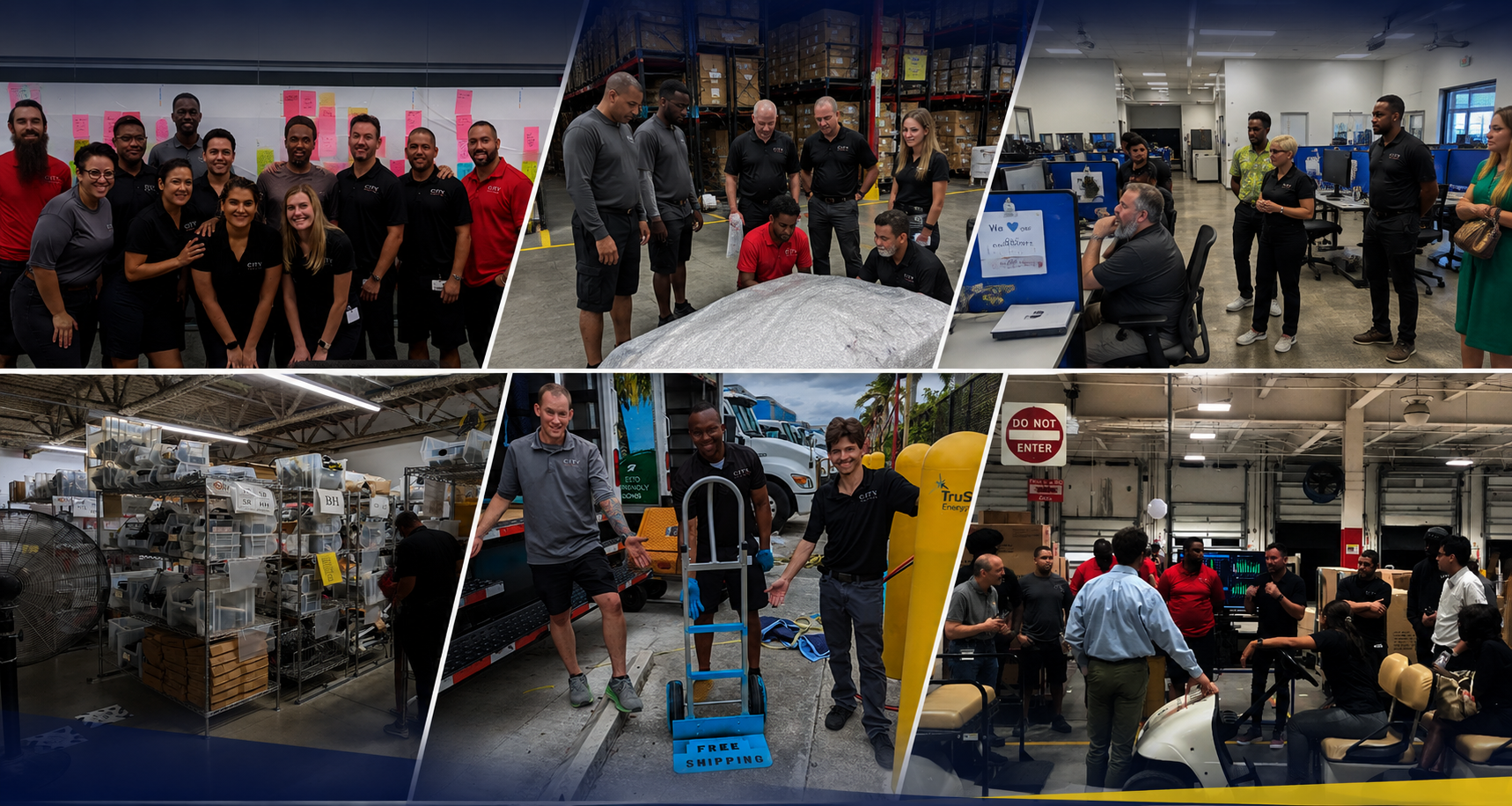
Real Manufacturing Results. One Kaizen at a Time
Explore real-world Kaizen success stories showing how manufacturing teams solved critical problems, improved performance, and created sustainable results.

Three Tips in Preparation for a Successful Improvement Event
Improvement Events are used to bring teams together to solve critical problems in a fast, engaging, and sustainable way.
Process Improvement Partners LLC was founded to help teams achieve breakthrough improvements in safety, quality, customer service, and productivity. Improvement Events are used to bring teams together to solve critical problems in a fast, engaging, and sustainable way. These Improvement Events, also known as Kaizen Events, can vanquish problems forever when they are done well. Preparation is a key component for success. In the spirit of helping teams achieve the best possible results, here are three tips to help you successfully prepare for an Improvement Event:
1. Develop a Strong Charter for the Event
At least 4 weeks before the Improvement Event, the Leader, Sponsor, and Facilitator of the event should come together and align around a charter for the event, which asks these four questions:
Problem - What is the problem that the team is being asked to solve? Why is it a problem, what is the impact of the problem on the business or the customer(s), and what would happen if the team could solve the problem?
Objectives - What are the objectives of the Improvement Event? What are the measurable results to be achieved? What would be the tangible evidence be that would show that the problem has been solved?
Team – Who are the people who can help solve the problem during the Improvement Event? Who has the interest, enthusiasm, and creativity to come up with potential solutions in a short period of time? Who can facilitate this event, to help the team on its way to a solution? Who will lead the team?
Output Owner – When the Improvement Event is over, who is responsible to implement the solutions developed by the team? Who will make sure that changes are properly communicated? This Output Owner should ideally be the Team Leader, as they will only agree to solutions that can implement and support.
Once the charter has been agreed to by the Leader, Sponsor, and Facilitator, the team is empowered to develop and implement their solutions to the problem that they are asked to solve. There is no need to gain approval for their solution after the Improvement Event. They are encouraged to get input and feedback during the event, to ensure that they have considered all aspects of the problem and potential solutions.
2. Create Leadership Alignment and Support for the Event
There should be an Executive Sponsor for the Improvement Event. This is the person that believes in the value of the event, supports the efforts of the team during the event, will remove roadblocks during the event, and will deal with resourcing issues that come up because the team members are being asked to fully dedicate their time to the event. The Executive Sponsor should communicate directly with the managers of each team member to gain their support and commitment to clear the calendars for their direct reports. Each team member should give their full focus and attention to the Improvement Event.
3. Plan Proper Facilities and Food
An Improvement Event is special. We are asking people to set aside their normal work and focus on a critical business problem. As such, we need to provide the proper food and facilities that will help them stay focused and engaged. Bring in morning and afternoon snacks, and feed the team lunch in their working space. If they stay together, they are more likely to stay focused on the problem at hand. If they disperse during lunch, they may get distracted, lose focus, or get drawn in to other business issues.The meeting space(s) should provide adequate space and privacy from outside distractions. There should be enough floor space and wall space to allow the team to try out and display their ideas and solutions. Improvement Events are interactive, visual, and energetic. People need to be able to move around freely and safely. If they need to use computers, there should be adequate power outlets available in the meeting space(s). Finally, they should have access to any resources necessary to solve the problem. Don’t move the team off-site if they need access to others in the company who may have vital information to share.
As you plan your next Improvement Event, keep these three tips in mind to give your team the best chance for success. The investment of time and effort will paid back many times over.

How to Ensure Standard Operating Procedures Don’t Collect Dust
We have been trying to get others to follow standard operating procedures since the Cavemen painted “Way to Kill Mastodon” on the cave walls!
We have been trying to get others to follow standard operating procedures since the Cavemen painted “Way to Kill Mastodon” on the cave walls!
But, try as we might, people still like to do things “their way”. And why not, most people think their way is best. But it may not be, and it may lead to errors and other problems. So, why aren’t we able to get people to follow standard operating procedures, the way they were meant to be followed?

The reason is that we haven’t really thought through what resources our teams need to properly follow standard operating procedures. This is why Process Improvement Partners LLC has developed The Wheel of Sustainability. With a hub and eight spokes, it all but ensures standard operating procedures will be followed.
Notification
The first and most traditional spoke in The Wheel of Sustainability. People are told there is a procedure and they are expected to follow it.
Training and Review
The second spoke gives people a chance to ask questions about the procedure, gain better understanding of it, and provide their input. If there are any opportunities to improve the procedure, this is a great time to uncover them. Buy-in for the procedure starts here.
Visible Evidence
The third spoke in The Wheel of Sustainability requires us to develop ways to show that the procedure is being followed, without having to interrupt the person doing the work. Is the procedure obvious, and are there visual cues that show things are happening as they should, in the proper sequence?
All Tools Available
The fourth spoke provides the person doing the work everything they need to do the job safely and productively. Are the tools easily accessible and in a logical location, or do they have to search for them? The tools can be physical (hammers, wrenches, screwdrivers, etc.) or virtual (databases, files on the computer, network connections, emails, etc.)
Clear Benefits
The fifth spoke in The Wheel of Sustainability asks if the person following the procedure sees it as being easier, more logical, and/or safer to accomplish. Have they been given a chance to give their input when the procedure was designed? Have they “seen for themselves” that this is a better way than what they did in the past?
Layered Audits
The sixth spoke requires others to engage with people as they follow the procedure, to make sure that they are following it, truly understand it, and can get help if they are unsure of the proper way to follow it. We also want to reinforce how important it is to follow the procedure as written. Audits should be visible and engaging, not hidden from view or disruptive. Many levels in the organization should participate at different times, thus the term “layered”.
Accountability
The seventh spoke in The Wheel of Sustainability asks the question, “What do you do if you observe someone who is not following the procedure as written”? This is the time to jump in and help them, not punish them. We need to understand why the person is not following the procedure and correct their behavior or provide more training. We must also hold ourselves accountable to help those who need our help. Do not turn a blind eye to improper work. Reinforce the proper way to follow the procedure.
Recognition
The eighth and final spoke ensures that people see the connection between the new procedure and improved results. We need to help people make that connection, so that it will lock in their commitment to continue following the procedure, even when no one is watching. It also gives credibility to the improvement efforts that generated the new procedure. Celebrate improved performance, when possible.
Leadership Commitment
The Wheel of Sustainability stays together with a strong hub. Leadership Commitment is that strong hub. Leaders must commit to helping, supporting, auditing, and providing everything necessary to make the procedure important and meaningful. Leaders should be visible. They should understand how the procedure impacts overall performance, and they demonstrate they are committed to the new procedure.
In summary, sustainability can be achieved through strong leadership commitment and investment in the eight spokes of The Wheel of Sustainability. Implementing this approach takes significant effort, so pick critical work first, get some practice implementing all eight spokes, and then add next level work. The more practice you get, the easier it becomes. The results will make the effort worthwhile.

It's Better To Be Red Than Green
We have been taught that Red means stop and Green means go. In the context of Process Improvement, Red means that something isn’t performing as expected, and Green means everything is OK. But is it?
We have been taught that Red means stop and Green means go. In the context of Process Improvement, Red means that something isn’t performing as expected, and Green means everything is OK. But is it?
Most people don’t want to admit their process is Red, and will typically report things are Green. The problem is that they are missing an opportunity to get help before a small problem becomes a big problem. So, they go along thinking “I got this, it’s going to be OK” and report as Green, until “uh oh, it’s not going to be OK” and they need help to get things back on track. At this point, it is either too late, or extremely costly to get things back on track.
We should encourage people to report Red. We should make it simple and non-threatening to ask for help. I heard one company say, “We rally to the Red”. I believe that this is a great approach. It means that they see Red as a call to action, a call for help. It doesn’t feel like a personal failure if someone reports that their project is Red. It’s everyone’s priority to help get things back to Green. Imagine how much wasted effort and cost could be avoided if people were able to expose issues sooner and get help to resolve those issues.
Before founding Process Improvement Partners LLC, I worked with a testing facility that was required to achieve a number of monthly goals. Working with the leader of the facility, we established owners for each of the approximately 25 distinct operating and storage areas in the facility. The Area Owners were responsible for the monthly goals in their area and were required to report the status of the compliance of their area. Area status was Red until all monthly goals were met. The aim was to achieve Green status before the end of the month. If the goal wasn’t met by the end of the month, the status would stay Red. More importantly, the facility was not fully compliant and it affected the performance and safety of those who worked there.
When we first implemented this new approach, the Area Owners were frustrated. They didn’t want to be Red. So, we incentivized the process. If we got all areas Green by the end of the month, we would buy everyone lunch. Once we did that, they began helping each other with each area, making sure that all requirements were met. They even challenged their peers, who would wait until the end of the month to complete the requirements. They wanted to be compliant earlier in the month. The process became fun, everyone pitched in, and the testing facility was the safest and most productive it had ever been.
The moral of the story? When we encourage our team to be honest about areas needing improvement, ask for help, and create solutions, the sooner we move our productivity and effectiveness to Green.