
Kaizen Success Stories
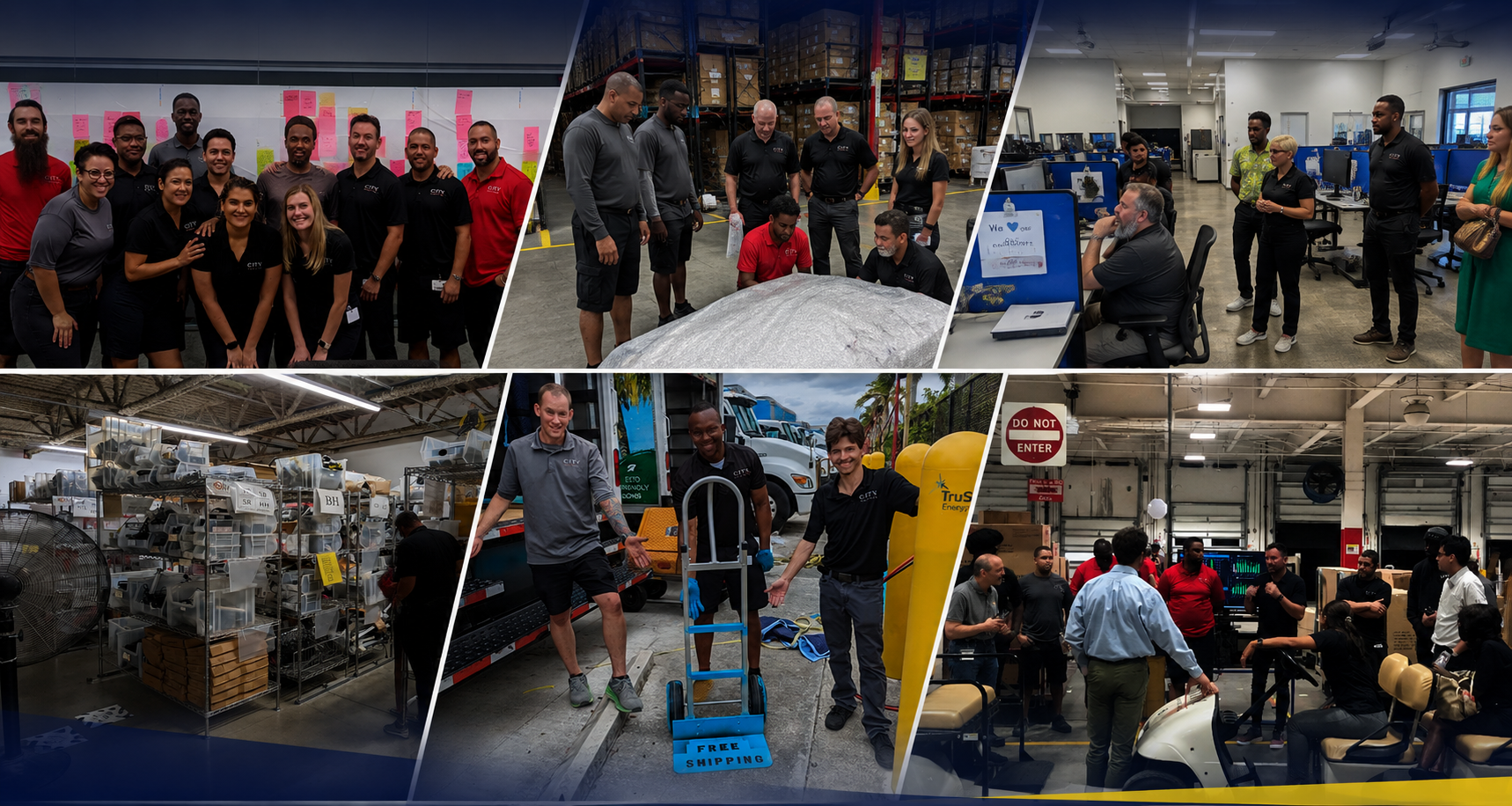
Real Manufacturing Results. One Kaizen at a Time
Explore real-world Kaizen success stories showing how manufacturing teams solved critical problems, improved performance, and created sustainable results.

My Stuff’s not going to fit in that box
I was the Business Team Manager for a vinyl flooring manufacturer in Lancaster PA. The business I was responsible for had been in a death spiral for many years. Consumer tastes had shifted, investments in the business had shrunk, and new product introductions were rare. The day I arrived at the plant I noticed a hand-made sign declaring the plant would be shut down in the next month or two. This was not very encouraging.

Voice of the COWstomer
In 2014, I attended the Shingo Conference in Ohio. This was my first opportunity to network with and learn from continuous improvement practitioners and leaders from all over the world. I was determined to get as much learning and experience as possible.

If you can’t stand the heat, get out!
I was the Industrial Engineering manager at a ceramic tile factory in western New York for two years. During that time, I participated in many improvement projects. As a member of staff, I was responsible for various administrative and plant coverage duties. One of the most critical responsibilities I had was holiday coverage for the tile firing and curing process.

Don’t be afraid to expose your weaknesses
I was the quality control manager for a ceiling grid factory in Maryland. In my first days at the plant, I observed that quality performance was minimally acceptable. There was a lot of room for improvement. I learned from my prior experience as a supervisor in Chicago to involve more people in the process and give them the information they needed to make proper quality decisions.

Good Things Can Come from a Tough Situation
My first supervisory assignment was at a ceiling grid factory in Franklin Park Illinois. We had eleven operating lines at one end of the plant and a distribution center at the other end. It wasn’t unusual to produce grid in the morning and ship it out the same day. Sometimes, due to inefficiencies, we produced finished goods for customers whose trucks were waiting to be loaded on our shipping docks.

One Size Doesn’t Fit All
Early in my career, I worked at Thomasville Furniture. I supported the veneering operations. We were building a new plant for the plywood pressing operations. I was asked to design and purchase a storage system for the heavy wood blocks that were used to create shaped plywood in a special press.

Alternate History
Recognition is a key element in the Wheel of Sustainability. It refers to the telling of stories to lock in commitment to a critical change. Once someone tells a story as if they were there, it’s an indication of their commitment to the change. Recognition happens in many places. Sometimes it’s in a business setting, other times it’s personal. This is a story of personal Recognition.

Peggy’s Toolbox
I’m always organizing things around the house. One winter, I cut the shapes of my tools into foam and lined the drawers of my tool box. It looked so nice, I showed it to my family so they could admire it too. They humored me, but didn’t seem very impressed.
On a trip to Costco, I bought a labeler. It seemed like something that might come in handy for one of my home organization projects. Peggy, my wife, asked me what I needed with one. I wasn’t sure, but it was inexpensive. What was the harm in having one?

Go With the Flow
I was engaged to help an electronics manufacturer improve the safety and productivity of a testing lab at their Breinigsville, PA location. The problem they were trying to solve was that it took too long from the time the equipment was received to the time the test report was delivered to the customer.
We took a Gemba walk of the lab. I knew that the lack of organization and visualization of the process were key contributors to the less than acceptable performance. George, the lab owner, had worked for the company for many years and had a system that worked for him, but others had no idea what was going on and how they could help.

How do you measure knowledge?
If you produce a physical product, it’s easy to see things being created. You can count them, measure them, and identify the cost to produce them. But what happens when you create knowledge or a new product idea. How do you measure your output? More importantly, how do you measure your effectiveness and identify when you need help?

The Journey is Long
After five years as Lean Champion, my voice wasn’t being heard so well. Sure, I was able to promote and facilitate Kaizen events and help people solve problems, but I was unable to move the leadership team to take the next steps in our Lean journey. Any time I spoke to our leaders about strategy, they were too busy to consider anything that deviated from their current operating approach.

Cream Rises to the Top
I was working with a team in New Jersey to implement Training Within Industry (TWI) on a critical household cleaner line. Plant leadership saw this as a key element in their strategy to improve overall line performance.

Words Matter
Training and Review is the second spoke on the Wheel of Sustainability. The basis for Training and Review is Training Within Industry, which was developed at the onset of World War II to quickly train inexperienced workers to produce all the necessary armaments and supplies in support of the war effort. It’s one of the reasons the US and its allies won the war.

We Won the Battle but Lost the War
During my corporate career, we identified a critical gap in our safety training system. There wasn’t a good way to ensure traveling engineers, scientists, and technicians were compliant for annual safety training requirements. We had to get everyone immediately compliant and then develop a system for annual recertification.

Lean in Action
I was Lean Champion for the Global Technology group at a ceiling tile manufacturer for six years. During that time, I was responsible to train all new employees in Lean principles and techniques as they joined our group. The goal of this training was to help them understand what we were doing and how we applied Lean to our work. My aim was to generate interest and engagement around Lean. In the early years, things didn’t always go the way I expected.

Attention to Detail
In 2007, I moved my family across country to take a new role as Production Manager for a ceiling tile plant in Oregon. The plant had a strong team-based culture. People genuinely wanted to help each other work in as safe and productive manner as possible. It wasn’t unusual to see the Plant Manager on the factory floor, assisting the technicians with their work or helping them stay safe.

A Wakeup Call
In 2001, I was the Business Unit Manager at a Vinyl Flooring Plant in Pennsylvania. Responsible for the one of four business units on site, I had a unionized workforce of 160 employees, three supervisors, and eight technical staff. My job was to turn the shrinking business around and keep my employees safe and productive.

Let’s See How Things Go
During my tenure as Production Manager at a ceiling tile plant in Oregon, I implemented strict rules around changeovers: No one is allowed in the breakroom during a changeover without Team Manager approval; Everyone is available to help during the changeover; Everyone is at their stations when the line is ready to start up; One Best Way changeover procedures are followed to the letter. No deviations. The procedures were developed by the technicians. There was no reason not to follow them.

Four Value Streams = Four Boards
I reported to the Vice President of Global Technology for a ceiling tile company as Lean Champion. During my tenure, we kicked off our Lean transformation and established four Value Streams: Innovation (R&D), New Product Development, Capital Engineering, and Business and Operations Support. Each Value Stream Director guided efforts to deliver value to the internal and external customers who relied on their critical results.

From Tool Boxes to Tool Stations
In 2011, I was asked to facilitate a changeover reduction Kaizen event at a ceiling tile plant in Florida. Most changeover reduction events have a goal of reducing time by 50%, while maintaining or improving quality and safety. In this case, the team was asked to reduce changeover time by 90%. This would be a challenge for the team and my ability to facilitate them to a solution.