
Kaizen Success Stories
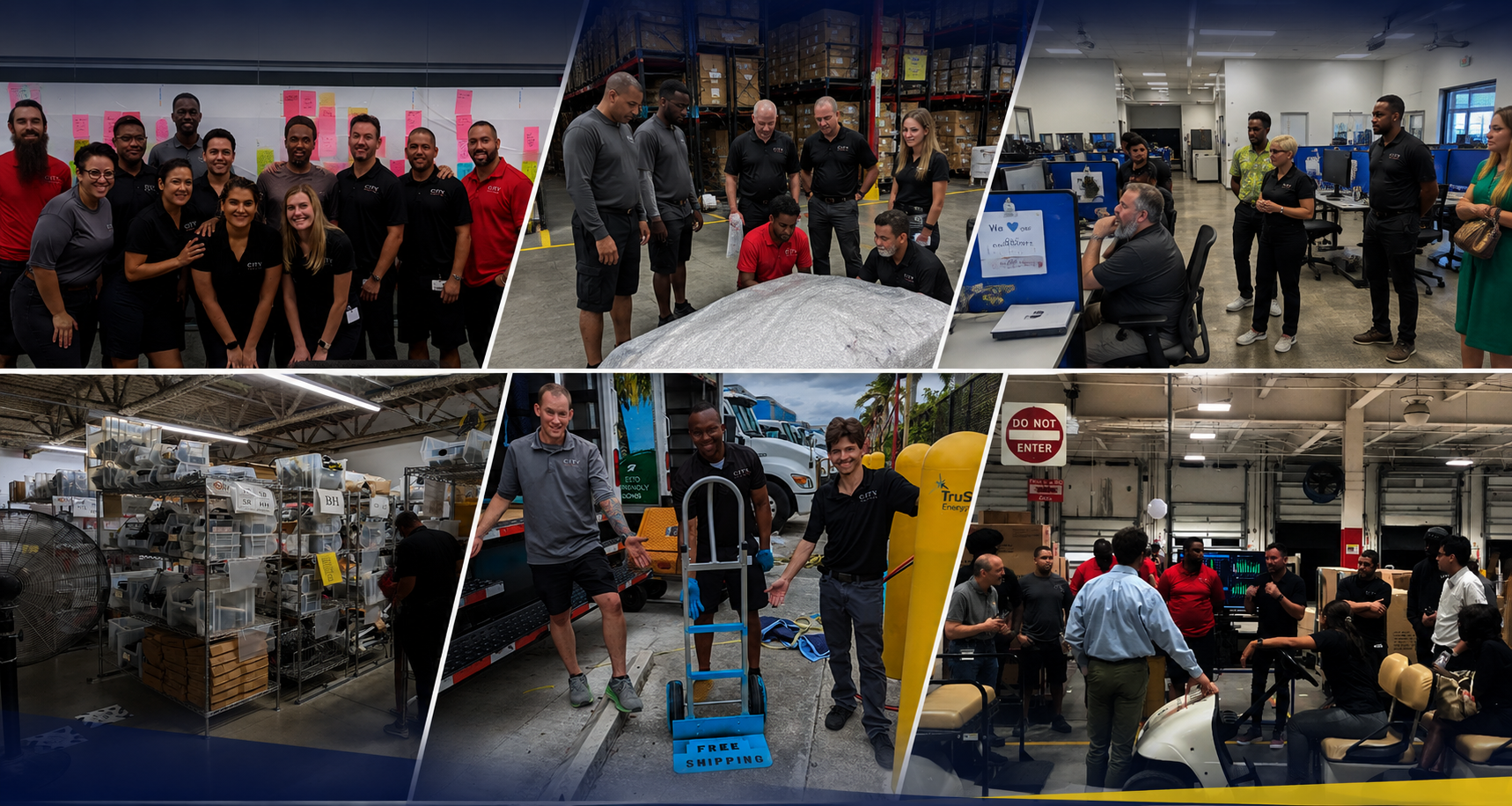
Real Manufacturing Results. One Kaizen at a Time
Explore real-world Kaizen success stories showing how manufacturing teams solved critical problems, improved performance, and created sustainable results.
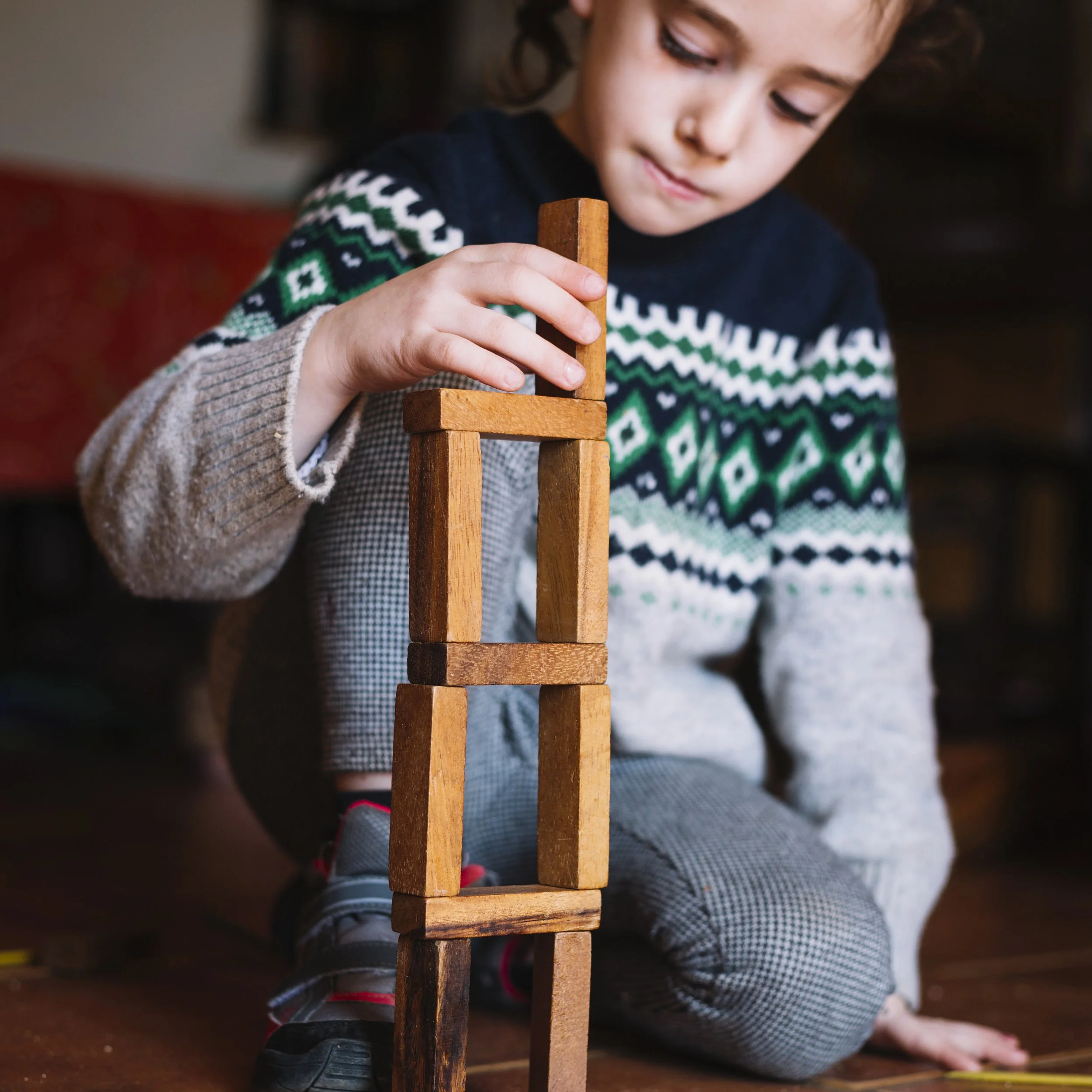
Creative Problem Solving Happens at Any Age
Problems are everywhere. It’s easy to feel overwhelmed and give up, thinking there are more problems than solutions. While it’s true we can’t solve everything—and some things are simply out of our control—my advice is to focus on the problems you can solve and be willing to experiment until you get the results you’re looking for.
Problems are everywhere. It’s easy to feel overwhelmed and give up, thinking there are more problems than solutions. While it’s true we can’t solve everything—and some things are simply out of our control—my advice is to focus on the problems you can solve and be willing to experiment until you get the results you’re looking for.
If you have small children, once had small children, or were a child yourself, you know they approach problem-solving in their own way. Want to build a fort but lack proper materials? A sofa and a bedsheet—BOOM—instant fort. Scribble wildly with crayons and declare it’s the solar system? Why not?
Growing up, my parents encouraged me to experiment and try things. My father was a patent examiner, and he often shared stories about the inventions he reviewed. He was also an inventor himself. Most of the time, I thought his ideas were silly, but that didn’t stop him from coming up with new ways to solve old problems.
We had a blue 1965 Dodge station wagon (yes, I’m that old). This was before seatbelt laws, and it wasn’t unusual for kids to stand up in the back seat to get a better view of the road. Honestly, it’s amazing we survived. We used the station wagon for family trips, with Mom and Dad in the front seats and my brother and me in the back. Dad had put foam mats back there to “protect” us from the road’s bumps and potholes.
Cars in those days were noisy, and it was hard to communicate from the back to the front. My brother and I, being little boys, spent most of the ride fighting, playing, and constantly needing something: snacks, drinks, bathroom breaks, or help breaking up fights. Mom and Dad couldn’t hear us over the road noise, so Dad decided to invent a solution.
After a few failed attempts, he cut a long vacuum hose down to an eight-foot length and ran it from the back of the wagon to the front seat. If we needed something, we’d speak into the hose, and Mom or Dad could (hopefully) hear us. Amazingly, it worked. For years, we had a cutting-edge communication system that no other car—or wagon—could match.
Eventually, cars got quieter, and the need for the hose disappeared. More likely, we got too big to ride in the back of the wagon, or someone finally realized tossing two boys into the back of a car without restraints wasn’t the best idea.
These days, when I facilitate Kaizen events, I encourage my team members to think like kids: try new things, embrace curiosity, and don’t be discouraged if an idea doesn’t work on the first try. There’s always something to learn, and often, they solve problems no one else has been able to tackle. Who knows? Maybe they’ll even come up with the next advanced communication system.
One Size Doesn’t Fit All
Early in my career, I worked at Thomasville Furniture. I supported the veneering operations. We were building a new plant for the plywood pressing operations. I was asked to design and purchase a storage system for the heavy wood blocks that were used to create shaped plywood in a special press.
Early in my career, I worked at Thomasville Furniture. I supported the veneering operations. We were building a new plant for the plywood pressing operations. I was asked to design and purchase a storage system for the heavy wood blocks that were used to create shaped plywood in a special press.
I had two critical problems to solve:
1. Improve the organization of the blocks and make them easy to find.
2. Reduce the effort and safety risk of moving the blocks into and out of the press.
In the existing veneer plant, the blocks were stored on pallets on the floor. When needed, they were carried to the press and slid into place. The blocks weighed 40 to 400 pounds. The heaviest block was used to create bed canopies. All other blocks weighed 100 pounds or less. One person carried the lighter blocks to the press. Four people carried the bed canopy blocks. Clearly this wasn’t a safe practice. I knew I could improve this situation.
The first thing I did was follow the process in the old plant. I walked with the operators and helped them carry blocks to the press. They were heavy, bulky and difficult to transport safely. They were stored all over the plant. Finding them often took more time than carrying and sliding them into the press.
I was given a set amount of space in the new plant. I wanted to design a rack system to store blocks in any location on the rack, to allow for flexibility. I quickly realized that if I did this, I would need a rack that was five times bigger than the space I was given. What could I do, I wondered?
Then I had an idea: create a special rack location for the heaviest block. This location would have rollers to make it easier to move the block into and out of the rack. The rest of the shelves in the rack had wire decking which was more than adequate to safely slide the lighter blocks into and out of the rack. Using this concept, I was able to store all of the blocks into the allocated space.
Now I needed to create a system to safely move the blocks from the rack to the press. Working with a material handling vendor, we designed a cart with rollers on it and a front plate to keep the blocks from falling off. One worker was able to take the cart to the rack, slide the block from the rack to the cart, and use the front plate to keep the block in place. Once the cart was rolled to the press, the front plate was lowered and the block was moved into the press safely and with low effort.
We established a procedure for one person to safely handle any block, except for the bed canopy block. For that, we required two people to work together. This project taught me the valuable lesson that you have to understand the full problem to be solved before coming up with a solution. One size doesn’t fit all.