
Kaizen Success Stories
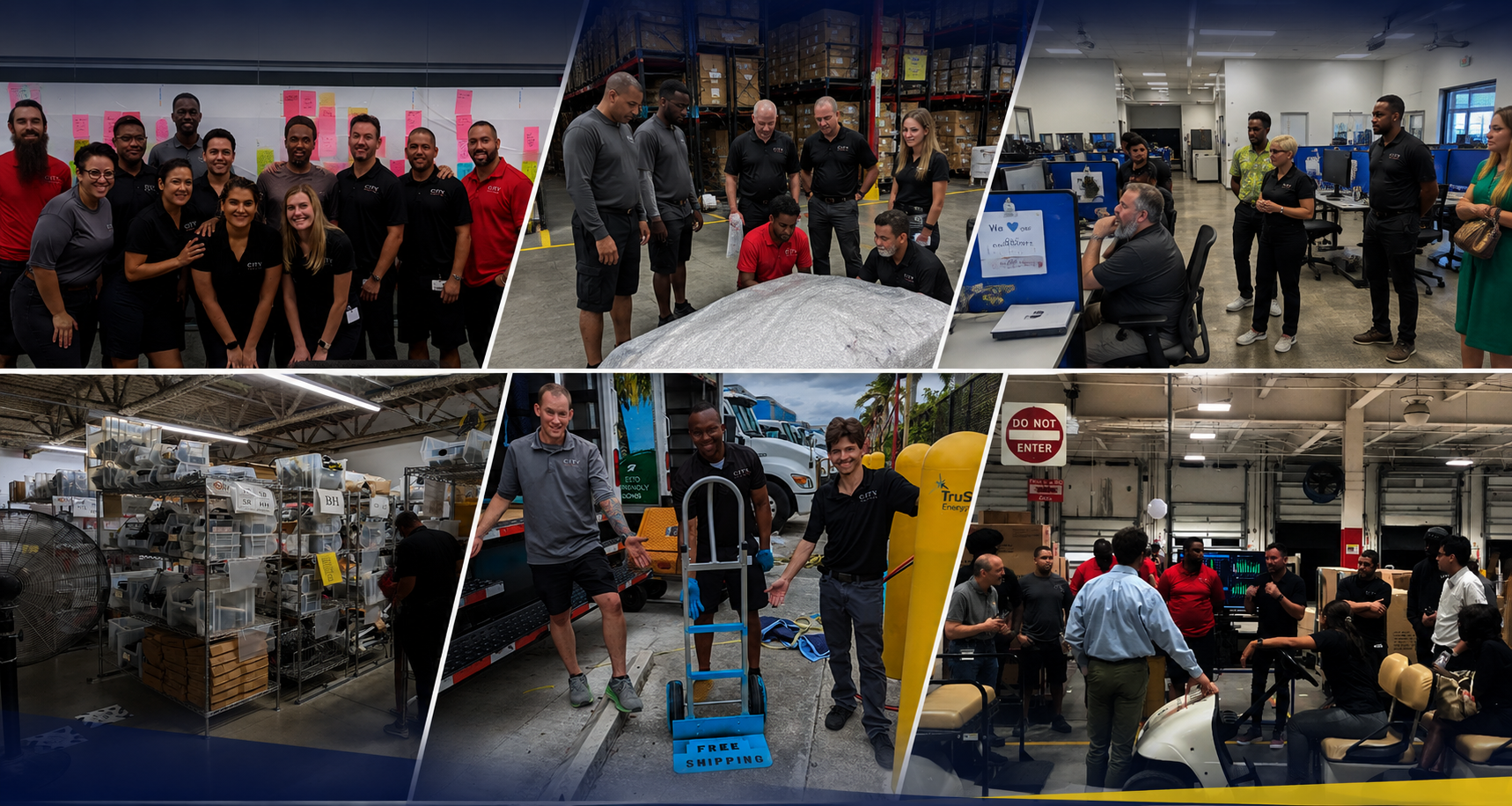
Real Manufacturing Results. One Kaizen at a Time
Explore real-world Kaizen success stories showing how manufacturing teams solved critical problems, improved performance, and created sustainable results.

The Birth and Quiet Death of Definitions
The research and development team created a product that they thought would change the ceiling grid market. The bad news is that it was hard to produce and no one bought it. The good news is that it lead to future innovations that the market loved.
Early in my career, I was the Quality Assurance Manager at the Sparrows Point, Maryland ceiling grid plant. Grid is the metal framework that supports ceiling tiles, and it’s a product where precision matters. The slightest variation in length—thousandths of an inch—can keep the tiles from fitting correctly, especially in long ceiling runs like you’d find in airports or large office buildings.
Most of the time, ceiling grid is meant to disappear into the background. Our corporate team was working on a product they believed would change that—a grid that would intentionally stand out. The idea was to improve the aesthetics of the ceiling using a three-dimensional face.
The product was called “Definitions.” It was a plastic cap, molded into various profiles, designed to snap onto the face of the ceiling grid to give it a bold, new look. Marketing was confident they could sell millions of feet of it. Our plant was chosen to be the first to bring it to life.
There was a technical challenge. Ceiling grid is made of metal and produced in a continuous process—roll formed, pressed, and finished all in one line. The plastic cap couldn’t be added as part of that process. It would have to be applied in a separate, manual operation.
We cleared out a section of the plant and set it up as the Definitions production area. Because the white plastic cap was highly susceptible to dirt and grime—and our main lines used lubricants—we enclosed the area with plastic curtains to keep it isolated and clean. Finished grid would be brought over, the caps snapped on, with the final product packaged and stored in a dedicated warehouse area.
Our first attempts to attach the plastic caps were unsuccessful. It wouldn’t locate properly and stay on the grid. Eventually, we designed simple fixtures to help guide and secure the cap during the process. Once we figured that out, we developed standard operating procedures and set up a two-person team: one to place the caps in position on the grid, and the other to apply the pressure, using a special piece of equipment.
Even with the process in place, everything had to be almost perfect. The cap had to be placed with pinpoint accuracy, and its width had to match the grid within .002” (less than the width of a human hair) or it would pop off.
Progress was painfully slow. Contamination, inconsistency, tight tolerances, and poor productivity constantly worked against us. Producing Definitions took many times longer than making standard grid.
We produced 250,000 linear feet of the product. By the time we wrapped up the first run, every operator on the line made it clear—they didn’t want to do it again. It was just too tedious, too frustrating, and too slow.
The product sat in our warehouse for years. If anyone ever bought a box, I don’t remember it. Feedback from installers was brutal: the caps were too delicate, required gloves to handle, and slowed them down so much that using it actually lost them money.
While Definitions itself was a failure, it sparked a line of thinking that led to real innovation. The idea of a dimensional grid look lived on—and eventually, we developed new products that achieved a similar aesthetic directly on the main manufacturing lines. Those products were far easier to make, faster to install, and went on to become successful alternatives to standard grid. They’re still sold today.

Butt Ugly by Friday
Kaizen is messy. It should be so accessible that anyone can do it. So, I use a phrase that I was taught many years ago, to make it okay to try and fail and learn quickly. The phrase? Butt Ugly by Friday!
I’ve collected a lot of sayings over the years I use during Kaizen events. Some are pretty familiar, like “Go to Gemba” or “Don’t let best get in the way of better.” But the one that seems to get the most attention and sticks with teams long after the event is: “Butt Ugly by Friday.”
Let me explain what it means and where it came from.
Kaizen events I facilitate run for a week or less, typically wrapping up on a Friday. By the end of the week, the team reports out to an audience and gets to show off the changes and improvements they’ve made. The challenge of Kaizen is: teams usually have more ideas than time. They want to improve many things, but they can easily get bogged down trying to make each one change perfect.
Years ago, I was facilitating a Kaizen in Pensacola, Florida. One of the teams was stuck on the same problem for two or three days. During a check-in with the local Lean manager, I mentioned the issue. His response changed the way I coach teams to this day.
“Adam,” he said, “you’ve got to tell them to get it Butt Ugly by Friday. That’s what we always say at the plant. It helps shift the mindset from perfection to progress. It doesn’t have to look pretty; it just has to work.”
I took his advice and helped the team move forward, even though their solution wasn’t perfect. It still made things better. Kaizen isn’t about perfection. It’s about improvement.
I use the term “Butt Ugly by Friday” in my introductory training with Kaizen teams on Day 1. It sets the tone right from the beginning. We’re not chasing perfect. We’re chasing better, safer, smarter, and faster. It gives teams permission to try things, test quickly, and learn fast. By the end of the week, team members remind me that they have improved things and made them “Butt Ugly by Friday.”
The phrase is simple, silly, memorable, and effective. People feel comfortable experimenting and are willing to fail quickly. Instead of waiting until the end of the week to find out if something works, they find out now.
Continuous improvement should be so simple and accessible that anyone can do it. More importantly, they actually want to. That’s how to build a culture where improvement can happen anytime, anywhere, from anybody.

An Incorrect Measure of Success
I used to think customer acquisition was the most difficult and challenging aspect of my business. Once I realized customer retention is top priority, it changed my perspective and approach.
As a small business owner, customer acquisition is my biggest challenge. How do I make sure people can find me, understand what I do, and see how my services could help them?
In the early days of running my own business, I was thrilled to have clients who were willing to pay me to help them improve their business processes. I’d meet them at their facility, map out improvement opportunities, and aim to secure a paying engagement.
Sometimes, I’d get the purchase order. Other times, I wouldn’t. It was all on me. If I could paint a clear picture of how I could help, and it resonated with their needs, I’d land the job. If I couldn’t make that connection, the opportunity slipped away.
When I did win the business, I was ecstatic. It felt like a validation. People valued what I brought to the table. And if I did a good job on that first engagement, surely more work would follow. It didn’t always work that way.
I can still remember an engagement with a steel slag producer. Steel slag is the waste product from steel mills, repurposed for things like roadbeds and other construction uses. I facilitated a value stream mapping session to support their strategic planning process.
The team was extremely engaged. My sponsors seemed satisfied with the outcome. Although there were some challenging moments during the week, I thought we’d worked through them together and ended with a great result.
Surely, they’d bring me back. But they didn’t. I followed up multiple times—emails, phone calls, check-ins but got little to no response. The crickets were chirping.
That’s when I realized that acquisition is not the objective. Customer retention is the true measure of success. When you can align your approach to the needs of your client and design to fit their needs and not yours, there is a much better chance for continued collaboration.
Over the years, I’ve had my fair share of “one and done” clients. And while I’m grateful for those opportunities—and I’d like to think I helped them in a meaningful way—they’ve been some of my greatest learning moments.
Fortunately, I’ve also developed a few long-term client relationships. These are the ones where there’s alignment in approach, trust in the process, and a shared belief in the power of continuous improvement. These partnerships are where the real magic happens.
At the end of the day, quality beats quantity. If you focus on alignment, collaboration, and shared outcomes, you won’t just win business, you’ll build something that lasts.

Does Continuous Improvement Work Have to Be Industry-Specific? You Decide.
I often meet people who are interested in the work I do, and sometimes, these conversations turn into future business opportunities. One statement I hear quite frequently goes something like this: “I see you’ve made great strides working with manufacturers in [insert industry here]. But we’re different, so I want to know what experience you have in my industry.”
I often meet people who are interested in the work I do, and sometimes, these conversations turn into future business opportunities. One statement I hear quite frequently goes something like this: “I see you’ve made great strides working with manufacturers in [insert industry here]. But we’re different, so I want to know what experience you have in my industry.”
Most of the time, I have to tell them that I don’t have direct experience in their industry. I know that’s not the answer they’re hoping for, so I explain that many of the principles I use are applicable across industries and situations.
The first principle I rely on is that people want to win. If there’s a problem affecting them, they want to solve it—they don’t want to be adversely impacted by it. I tap into this natural desire to win and facilitate the team toward success by engaging them and building a team-based approach to problem-solving.
All the work I do before, during, and after Kaizen events is designed to set teams up for success. I create plans tailored to tackle the specific challenges they’re facing. I also design activities and experiences that allow team members to participate, share their ideas, and take ownership of the solutions. To me, that’s the essence of winning.
Another principle I follow is that all industries involve processes that require people. As long as the team can map out the processes they’re working with and identify the waste, they have the potential to make meaningful changes. My job is to help them spot that waste and equip them with the tools and techniques to reduce or eliminate it.
My third principle is that people will always rise to the expectations we set for them. Throughout my Kaizen events, I aim to set the bar as high as possible for the team, and they almost always meet or exceed those expectations. When they do, I raise the bar even higher, and, unsurprisingly, they rise to the occasion once again.
There are many other principles I use, but in my experience, these three are enough to allow me to work effectively in any industry—no matter the complexity or my prior experience with it.
I’ll admit that I’ve missed some opportunities to help prospects just because I haven’t worked in their specific industry. But I also believe they’ve missed out on the chance to work with me and see how I could help their teams solve critical business problems in a sustainable way.
My best advice to anyone considering hiring outside help to solve critical business problems is this: rather than focusing solely on past experience, consider the approach. Make sure it fits with—and enhances—your people engagement goals and leadership style.

Know Your Niche
As a Kaizen Ninja, I like to believe I can help any team solve any problem. Maybe I can, maybe I can’t—but believing it was causing me to dilute my message to my target audience. Let’s face it: no one believes you can be all things to all people.
As a Kaizen Ninja, I like to believe I can help any team solve any problem. Maybe I can, maybe I can’t—but believing it was causing me to dilute my message to my target audience. Let’s face it: no one believes you can be all things to all people.
While I’ve helped businesses across many industries tackle a variety of problems, my message wasn’t resonating with the people I truly wanted to reach. It wasn’t until I came across The One Page Marketing Plan by Allan Dib that I realized the issue. Dib makes a compelling case for knowing your niche and target market. Without that clarity, it’s impossible to craft a message that will attract the right people.
I had to dig deep and figure out who I really wanted to help. It didn’t take long to land on an answer that, in hindsight, should have been obvious: I was built to help manufacturing companies.
But not just any manufacturing companies. Running a Kaizen event requires team members to dedicate 100% of their time and energy to solving a critical business problem in a sustainable way. For smaller companies, pulling key people off their regular jobs for several days can be a dealbreaker. The business might grind to a halt.
The sweet spot? Manufacturing companies with at least 50 employees. These companies typically have enough resources to pull six or more people from their daily roles without shutting everything down. With proper planning, resources can be covered through overtime or other adjustments, making it feasible for the team to focus entirely on the Kaizen process.
This realization was a game-changer. While I’ve facilitated successful Kaizen events in non-manufacturing settings, the immediate, tangible results from manufacturing events are hard to beat. On the factory floor, you can literally see the impact:
Lines run more smoothly.
Tasks require less effort.
Employee feedback is positive and immediate.
There’s something uniquely gratifying about helping people in ways they can see and feel right away. That’s why I’ve honed my focus on manufacturing companies with more than 50 employees. When I visit, I can provide clear, specific examples of where I can help and the results they can expect using my Kaizen approach:
Safety risks reduced by more than 50%.
Changeover times cut by more than 50%.
Productivity increased by at least 5%.
Costs reduced.
Quality and customer satisfaction improved.
Even better, I can share real success stories from other manufacturing teams and show how I use the Wheel of Sustainability to ensure those results last.
From time to time, I still get inquiries from non-manufacturing prospects. I’m happy to help them if there’s a good fit, but they’re no longer my target audience. I don’t actively market to them or invest extra effort trying to get their attention.
This approach has made me more focused and intentional, and for that, I’m incredibly grateful to Allan Dib and his team. Their insights helped me find—and fully embrace—my niche.

Creative Problem Solving Happens at Any Age
Problems are everywhere. It’s easy to feel overwhelmed and give up, thinking there are more problems than solutions. While it’s true we can’t solve everything—and some things are simply out of our control—my advice is to focus on the problems you can solve and be willing to experiment until you get the results you’re looking for.
Problems are everywhere. It’s easy to feel overwhelmed and give up, thinking there are more problems than solutions. While it’s true we can’t solve everything—and some things are simply out of our control—my advice is to focus on the problems you can solve and be willing to experiment until you get the results you’re looking for.
If you have small children, once had small children, or were a child yourself, you know they approach problem-solving in their own way. Want to build a fort but lack proper materials? A sofa and a bedsheet—BOOM—instant fort. Scribble wildly with crayons and declare it’s the solar system? Why not?
Growing up, my parents encouraged me to experiment and try things. My father was a patent examiner, and he often shared stories about the inventions he reviewed. He was also an inventor himself. Most of the time, I thought his ideas were silly, but that didn’t stop him from coming up with new ways to solve old problems.
We had a blue 1965 Dodge station wagon (yes, I’m that old). This was before seatbelt laws, and it wasn’t unusual for kids to stand up in the back seat to get a better view of the road. Honestly, it’s amazing we survived. We used the station wagon for family trips, with Mom and Dad in the front seats and my brother and me in the back. Dad had put foam mats back there to “protect” us from the road’s bumps and potholes.
Cars in those days were noisy, and it was hard to communicate from the back to the front. My brother and I, being little boys, spent most of the ride fighting, playing, and constantly needing something: snacks, drinks, bathroom breaks, or help breaking up fights. Mom and Dad couldn’t hear us over the road noise, so Dad decided to invent a solution.
After a few failed attempts, he cut a long vacuum hose down to an eight-foot length and ran it from the back of the wagon to the front seat. If we needed something, we’d speak into the hose, and Mom or Dad could (hopefully) hear us. Amazingly, it worked. For years, we had a cutting-edge communication system that no other car—or wagon—could match.
Eventually, cars got quieter, and the need for the hose disappeared. More likely, we got too big to ride in the back of the wagon, or someone finally realized tossing two boys into the back of a car without restraints wasn’t the best idea.
These days, when I facilitate Kaizen events, I encourage my team members to think like kids: try new things, embrace curiosity, and don’t be discouraged if an idea doesn’t work on the first try. There’s always something to learn, and often, they solve problems no one else has been able to tackle. Who knows? Maybe they’ll even come up with the next advanced communication system.

A Good Story Provides a Good Opportunity
I’ve always been a storyteller. Some people enjoy my stories, while others wish I’d get to the point faster. I get it—my approach isn’t for everyone. But storytelling is how I communicate my ideas. Sometimes, it even helps me get my way or stumble into an interesting adventure. Here’s one of those adventures.
I’ve always been a storyteller. Some people enjoy my stories, while others wish I’d get to the point faster. I get it—my approach isn’t for everyone. But storytelling is how I communicate my ideas. Sometimes, it even helps me get my way or stumble into an interesting adventure. Here’s one of those adventures.
I was working with a team on a project at Armstrong’s St. Helens, Oregon, plant. Our goal was to reduce changeover time across the facility using Lean techniques and some capital investments. Things were going well, but the project required the team to spend many weeks away from home.
When you travel a lot, routines develop—familiar hotels, restaurants, bars, and, of course, the facility you’re helping. But sometimes, you just want to break out of that routine. One trip, we flew into the Seattle airport, arriving midday, and didn’t need to be at the plant until the next morning.
Someone suggested dining at the Space Needle, about 30 minutes away. It seemed like a great idea, even though we didn’t have reservations. Fueled by a spirit of adventure, we decided to drive over and see if we could talk our way into a table.
On the way, we tracked down the phone number and called to see if there were any openings. Unsurprisingly, dinner was fully booked. But we weren’t deterred.
I decided to try my hand at persuasion. I told the host a bit of a half-truth: “We’ve just arrived in Seattle, traveling all the way from Pennsylvania specifically to dine at the Space Needle. Isn’t there any way you could find seating for four people who have always dreamed of dining with you?”
To my surprise, the response was warm and accommodating: “Of course we can. You’ve come all this way; we’d hate for you to be disappointed.” Thrilled, I asked for a contact name so we could personally thank them when we arrived.
Thirty minutes later, we walked into the Space Needle, where it seemed everyone knew about “the four travelers from Pennsylvania.” They were impressed that we had flown 3,000 miles just for dinner.
We stuck to our story the entire evening and soaked in the experience. The dinner was fantastic, the views from 500 feet above Seattle were stunning, and it became a memory we’d treasure for years.
As a bonus, the experience brought our team closer. We worked together more cohesively, and we started seeking out new adventures to share throughout the project.
These days, I encourage my Kaizen teams to create shared experiences during event weeks. Whether it’s through solving problems together, team dinners, or happy hours, I’ve noticed these moments rapidly build engagement and camaraderie.
I wouldn’t necessarily recommend stretching the truth often, but this felt like a victimless crime—unless someone lost their reservation because of “four travelers from Pennsylvania.” If that’s you, this story never happened!

Five Lessons from My First Five Years in Business
On May 15, 2018, I registered Process Improvement Partners LLC as an official business. Since then, I have had so many adventures, made lots of mistakes, and hopefully learned from many of them!
On May 15, 2018, I registered Process Improvement Partners LLC as an official business. Since then, I have had so many adventures, made lots of mistakes, and hopefully learned from many of them!
As the saying goes, hindsight is 20/20. In the spirit of continuous improvement, I have been challenged by a peer to share my top five lessons from my first five years in business (thanks Stephanie!)
ONE: Focus on meaningful relationships, not vanity metrics.
Truly valuing and connecting with the people in your network is way more important than how many followers, views, likes, and comments. Be sure to focus on what really “moves the needle” for you, and this will look different for everyone. Bottomline: you can't fake caring. If you can help even one person, you are doing important work.
TWO: This is a marathon, not a sprint.
It takes time to build up a following that values what you do and how you can help. I used to think the next activity or post would get someone to do business with me. Now, I realize people want to feel comfortable with you and the value you bring. It takes time, but once it happens, meaningful engagements follow.
THREE: Alignment is vital to a great working relationship.
The work I do is narrowly focused and isn't for everybody. I want to and should work with clients that value my approach and are ready for it. I stopped chasing money and started looking for people I can help and want me to help the way I provide value. If you like fast, sustainable results, I'm your guy!
FOUR: Experiment, experiment, and experiment some more.
I have tried writing (a book, no less), podcast interviews, speaking engagements, paid advertising, and many other things. I always learn from those experiences and know there are many more in my future. I am pretty sure that I won't write another book (never say never), but I'm glad I did. If it helps just one person, it was worth it. And I learned I can do it!
FIVE: Pay close attention, or you might miss an important opportunity.
It's easy to gloss over the last "like" on a post and just chalk it up to someone just being kind. But that person might need my help, so reaching out to someone who is engaging with my content is never a bad idea. In fact, one time it led to a meaningful business relationship. I don't follow up on every post engagement, but I definitely should!
I read that most businesses fail in the first five years, and I can believe it. Having your own business is challenging work and it's not for the faint of heart. Luckily, I have an incredible and supportive family and network. I thank you all for giving me the opportunity to serve you and look forward to many more years of doing so.

Strengthening a Kaizen Culture
A good friend of mine asked me to speak at his Virtual Lean Summit. I was scheduled to present on the Wheel of Sustainability on Thursday. When I looked at the agenda for the week, I found several presentations I wanted to attend. One stood out to me as a must – the Tuesday presentation by the President of a large furniture retailer in South Central Florida.
A good friend of mine asked me to speak at his Virtual Lean Summit. I was scheduled to present on the Wheel of Sustainability on Thursday. When I looked at the agenda for the week, I found several presentations I wanted to attend. One stood out to me as a must – the Tuesday presentation by the President of a large furniture retailer in South Central Florida.
He was going to speak about the 15-year Lean journey at his company. Even more interesting to me was that he was the impetus for it. I looked forward to hearing the top leader in the company talk about building a continuous improvement culture from the ground up. Support all the way to the top of the organization is the ideal situation. I had never had the opportunity to see what it looked like.
The presentation was inspiring and I learned so much from it. When it was over, I wanted to know more. That evening, I sent a LinkedIn connection request to the President of the company and told how much I enjoyed his presentation. I mentioned I was an “old furniture guy” with many years of Lean experience and that it would be fun to share some furniture “war stories” with him.
Within an hour, he responded, and we set up a Zoom meeting for the next day. We talked for a few minutes, and I shared stories about the adventures I was having with my Kaizen teams. He remarked that they had held many Kaizen events in the past. They hadn’t done any in a few years and he missed the energy and excitement of Kaizen events. I said, “It turns out I know a guy who can help you with that.” He asked who that was. Of course, the answer was me! He said I should come for a visit to see if there were any synergies that we could both benefit from.
Two months later, I traveled to their corporate offices. I had the opportunity to meet with many staff members to see their continuous improvement culture. I shared my approach to Kaizen and continuous improvement. At the end of the day, I went to dinner with the President and he told me that pending a few more discussions, he wanted to know if I could support and facilitate 12 Kaizen events over the next year. What could I say? I said yes!
The following month, I signed my first contract to facilitate one Kaizen event per month. The President, who had now become company CEO, told me that beyond results, he wanted to focus on strengthening the Kaizen culture of his company. I was asked to focus on what I enjoy the most: engagement, empowerment, and sustainability.
The first year of working with the company was a true pleasure and a joy. The culture of continuous improvement is already strong and the leadership does what it takes to support every Kaizen team I facilitate. We have experienced breakthroughs and setbacks during our Kaizen weeks together, and the response has been extremely positive throughout. They value learning and culture more than pure results. Make no mistake, results do matter.
Things went so well, they signed up for a second year of facilitated Kaizen events. I am looking forward to a bright future with my client.

Three Principles for Funding
During my time living on the west coast, I wanted to give back to the community. Many of the staff at the St. Helens, Oregon plant participated in some way or another with the United Way of Columbia County. I was intrigued. I had participated in many United Way Days of Caring during my time in Pennsylvania.
During my time living on the west coast, I wanted to give back to the community. Many of the staff at the St. Helens, Oregon plant participated in some way or another with the United Way of Columbia County. I was intrigued. I had participated in many United Way Days of Caring during my time in Pennsylvania.
The plant manager had been the Chairman of the Board of Directors for the local chapter, and she suggested that I volunteer on their Board in some way. I liked the idea and once I met the people in charge of the United Way, I knew I had found my place.
There were three ladies who did most of the work. They were working out an old school building that had been donated for their use and other community activities. They had a very limited budget, but they were able to get many things donated so they could touch many areas of the community without spending huge sums of money.
They accepted me onto the Board of Directors, and I had to figure out how I could best help them. I went out on many outreach efforts and noticed that no matter how much money or time we had, it was never enough.
During our annual preparation for the upcoming budget year, I noticed there were more requests for funding than the United Way could handle. It was apparent every request had merit and the board members wanted to fund everything. That would be impossible, of course. We had to come up with a way to narrow the requests for funding down to the highest priority for the allocation of resources. Now I knew how I could help.
I offered to facilitate the annual budgeting meeting and created an agenda to help make the tough decisions on what to fund and what to deny. I got each board member to name their top focus for funding and then using a prioritization technique called “multi-voting” I was able to help align everyone around the three top priorities for United Way funding:
Early childhood education – starting kids out on the right foot early sets them up for success in later years.
Food security – provide meals to those who cannot provide for themselves.
Home security – giving everyone a roof over their heads every day.
Once we identified these priorities, we could allocate funding to those requests that were aligned with them. Anything that didn’t fit the top three would have to be funded in another way. It made a difficult message easier to support and share. We were clear in our principles and the reasoning behind them.
For the next few years, we checked back in our priorities and adjusted where necessary. As we did our work in the community, we could verify our priorities truly aligned with the needs of the people we served.

Gemba in the Big City
Four years into the Lean Transformation at Armstrong World Industries, we started expanding Lean beyond our manufacturing operations. Forward-thinking leaders came up with an idea to help us better understand the customer experience from the inside. That is, we would conduct a “Customer Experience” Value Stream Mapping event, with the Gemba being the place where the customer interacted with our ceiling products the most – at their job site(s).
Four years into the Lean Transformation at Armstrong World Industries, we started expanding Lean beyond our manufacturing operations. Forward-thinking leaders came up with an idea to help us better understand the customer experience from the inside. That is, we would conduct a “Customer Experience” Value Stream Mapping event, with the Gemba being the place where the customer interacted with our ceiling products the most – at their job site(s).
We built a team at our biggest plant in the Northeast, consisting of manufacturing, marketing, sales, and engineering. We planned to visit installations, distribution centers, and contractors who carried and installed our products. After laying out the plan on the first day of the event, we split into three travelling teams: Philadelphia, New York City, and Washington DC. I was the facilitator for Team NYC.
We drove up after the first day’s meeting and had a nice dinner. Then, as we planned out our day of visits, I was assigned to a team of three that was going to visit with a distributor and contractor on a job site in the middle of the city.
Our day in the Gemba started at 3 am at the receiving dock for the distributor. This was the assigned time for ceiling tile and grid deliveries. The drive from the manufacturing plant was approximately 3 hours, so they needed to leave around midnight. If they got stuck in traffic, the workers would wait on the dock until the materials arrived. We got there early and the shipment arrived late, so it was a tough start to our morning. We quickly realized this was an opportunity for us to improve the customer experience. Hearing about it didn’t make the same impact as seeing it in person, at 3 am!
After watching the materials being unloaded and stored, we noticed the contractor was ignoring the advice of how high the materials could be stacked. The reason? He didn’t have the floor space to store things two levels high, so he had to store things three levels high. This caused greater damage potential and gave us another critical improvement opportunity we could deal with at the factory.
Once we left the distributor’s site, we drove into the heart of New York City to see an installation in progress. In this case, we saw our product being taken off standard 4-foot by 4-foot pallets and restacked on 2-foot by 4-foot pallets, which was a major loss in productivity. The reason? The contractor elevators in the building were too narrow for the standard pallets to fit. Again, this was another opportunity to improve our customer’s experience.
We found many other things we could help with during our visit to New York City and the other teams found similar improvement opportunities in Philadelphia and Washington DC. When we reconvened at the plant, we prioritized all the ideas and then made plans to address the top issues.
Over the years, the company made many of the improvements to the process we identified as issues during our visits to customer sites. In addition, the manufacturing organization had a clearer understanding of how their customer used their products and were able to convey it in a more compelling way to their employees. Armstrong remains the producer of choice for ceiling solutions, due to their continued focus on improving the customer experience. The lesson here is to go see your customers, in their space, in their time, if you want to truly understand what they value the most. Go to Gemba!

One Call is All That Was Needed
I spent the early part of my career working at Thomasville Furniture as an Industrial Engineer. I was responsible for supporting our veneer plant. One of the most valuable lessons I learned from my time in this role was a stark example of never, ever overlooking the simple or the obvious – in this case a single phone call could have saved 18 months of work from being. Here’s the story.
I spent the early part of my career working at Thomasville Furniture as an Industrial Engineer. I was responsible for supporting our veneer plant. One of the most valuable lessons I learned from my time in this role was a stark example of never, ever overlooking the simple or the obvious – in this case a single phone call could have saved 18 months of work from being. Here’s the story.
In furniture, veneer is used to create a unique look on the surface of the furniture, which would be impossible with solid wood. In many cases, veneer panels are stronger and more stable than solid wood. The veneered surface is glued to an inner core to create a “sandwich” of wood plies. This is where the term plywood comes from.
To make patterns, slices of wood are placed side by side with tape applied at the edges to hold them together, prior to gluing to the core board. After gluing, the tape is sanded off. This reduces the thickness of the veneer. Although the surface is thinner, the bond is stronger, as the tape has equalized the moisture in all the types of wood prior to gluing, resulting in a very stable and strong surface.
It always bothered me that we had to sand the expensive veneer surface after the plywood was formed, but I was assured that there was no loss of strength or durability of the veneer surface.
One day, I was invited to a meeting at our corporate offices. An R&D team from our parent company, Armstrong World Industries, had traveled to North Carolina to show us a breakthrough technology that they said was going to revolutionize the veneering process.
Seated around a conference table, we were introduced to three scientists who supported us from Armstrong’s corporate office in Lancaster, Pennsylvania. Most of us had never met them or heard about them, but they had been working on a veneer project for one and a half years.
They worked on an idea to eliminate the need to tape the veneer together prior to gluing to the core board. They used a sonic adhesion technique. They thought that by eliminating the tape, we could eliminate the need to sand the veneer and keep things stronger and more stable. This would also reduce the labor required to produce the finished products.
They gave us a demonstration of the sonic attachment method. Then they asked if we had any questions. Our veneer buyer asked if they understood the benefits of taping and how it equalized the moisture content of the different species of wood as they were spliced together. The R&D team looked puzzled and asked for more information. He told them if the moisture content wasn’t equalized, the different veneer species would grow and shrink at different rates, due to their natural moisture content. This would be most problematic during the gluing process.
The R&D team members looked dejected at this point. Then, one of the other members of the Thomasville team asked them if they had ever called anyone at the furniture company. They hadn’t. At that moment they realized they had wasted 18 months of effort. If they had just placed one phone call, they would have found out a critical detail, which would have changed the course of their project entirely!
They took their equipment and samples and went home. We never heard from them again. The lesson in all of this is to communicate with your customer and learn critical details about their process, rather than assuming you know more than you do.

My Stuff’s not going to fit in that box
I was the Business Team Manager for a vinyl flooring manufacturer in Lancaster PA. The business I was responsible for had been in a death spiral for many years. Consumer tastes had shifted, investments in the business had shrunk, and new product introductions were rare. The day I arrived at the plant I noticed a hand-made sign declaring the plant would be shut down in the next month or two. This was not very encouraging.
I was the Business Team Manager for a vinyl flooring manufacturer in Lancaster PA. The business I was responsible for had been in a death spiral for many years. Consumer tastes had shifted, investments in the business had shrunk, and new product introductions were rare. The day I arrived at the plant I noticed a hand-made sign declaring the plant would be shut down in the next month or two. This was not very encouraging.
The employee union and management had a combative relationship and the business difficulties didn’t help create alignment or trust. The day I was introduced to the Union President, he told me he couldn’t trust me, because he couldn’t trust the people before me and expected that I wouldn’t be there long.
During my first few months, there was a corporate leadership transition. We were under intense pressure to reduce our costs. Our business and jobs were on the line. The Vice President of Operations threatened people with termination many times during my time at the plant. His face would turn beet red as he yelled at the current person that was in trouble.
We did our best to keep our people safe and focused on making the best possible product for our shrinking customer base. It felt like a losing battle most of the time. Every so often, something good would happen that would keep us moving forward.
In the Fall, we were approached by the corporate New Product Development (NPD) team. They wanted to develop and introduce some new, radically different products. Were we up for the challenge of bringing these new products to life through intensive testing and process modifications? We were and dove into the work with renewed energy and passion.
We asked our Marketing Director what we could do to make a greater impact at the new products’ launch. We collaborated and decided we would invite a select group of customers to the plant and showcase the new products and the people that produced them.
Even though employee/management relations weren’t ideal, everyone understood we had to make the best possible impression on our precious customers. We cleaned up decades of filth and clutter, created tour routes and brochures, and designated hourly employees as tour guides for the hundreds of customers who were coming to the plant.
The plant shined. We heard feedback from many of our guests about how committed our employees were to the products they produced and to their customers. We were very proud of our organization and hoped the goodwill generated would lead to increased customer loyalty and better relations in the plant.
It never happened. The market wasn’t thrilled by our new products and as the months went by, orders continued to shrink. The overall negative feeling in the plant returned, as people realized this was likely our last shot at turning the business around.
Two months later, I was told to be in my office at the end of the day. The Operations VP was coming to the plant and wanted to talk with me in the Plant Manager’s office. I immediately wondered if my resume was up to date.
As I waited in my office for the meeting time, I saw the VP walk past with a box in his hands. My first thought was, “my stuff won’t fit in that box!”
When I got to the Plant Manager’s office, I noticed the entire plant staff and VP were seated around a conference table. Was I was going to be terminated in front of an audience? After some pleasantries, the VP started talking about the customer tour and the many positive comments he received about it. I realized that maybe this wasn’t my last day in the plant. Then, he pulled the box onto the table and took out a football signed by NFL great Dan Marino. He wanted me to have it as recognition of our efforts to make the customer tour such a great experience. I don’t remember exactly what I said, but it was something about our team effort and that I was taking my ball and going home!
It was gratifying to know that our hard efforts to create a positive customer experience were recognized and brought improved support and credibility for our business. I only wish that it translated into a better outcome for the business. At least we give our best effort.

Voice of the COWstomer
In 2014, I attended the Shingo Conference in Ohio. This was my first opportunity to network with and learn from continuous improvement practitioners and leaders from all over the world. I was determined to get as much learning and experience as possible.
In 2014, I attended the Shingo Conference in Ohio. This was my first opportunity to network with and learn from continuous improvement practitioners and leaders from all over the world. I was determined to get as much learning and experience as possible.
Throughout the week, I attended presentations, roundtables, and networking events. By the end of the week, I felt I had acquired as much classroom knowledge as I could handle. I was ready to get away from the conference hall and visit one of three companies that offered benchmarking visits: Goodyear Tire and Rubber, the Cleveland Clinic, and the John Amstutz Dairy. I had heard of the first two. They were world renowned for their application of Lean. But a dairy? I was intrigued. I decided to visit them.
Fifteen other conference-goers boarded a bus for the 1 ½ hour trip to what looked like a typical farm out in the country. At first, it seemed that way. We were met by a farmer in coveralls. He told us how he was applying Lean to his dairy farm, with the help of a consultant. He was initially skeptical that Lean could be applied to his situation and thought all of the automation he had was helping him be as productive as possible.
Through study and observation, they realized that many of the practices on the farm were counter-productive. The automation actually made conditions worse for the cows. In a 24-hour period, they converted the milking parlor (where the cows get milked) to a non-automated system, that was healthier and easier on the cows. The conversion had to be completed quickly, or the cows would get sick from not being milked. It was like a Kaizen event on steroids.
Once the changes were made, production went up, sickness went down, and the cows were able to give milk for a longer period of their lives.
Essentially, they made all changes to optimize the experience for the cows. They found out a number of things from just listening to what their cows had to “say”:
- The straw that the cows were sleeping on was uncomfortable. It was replaced with a softer, recycled material, and the cows got more restful sleep.
- The milking machines were hurting the cows’ udders. When they were attached, the cows would “dance.” This indicated they were in pain.
- Air was being vented poorly and the cows were “complaining” by mooing a lot. The fans were repositioned to move the methane out of the breathing space and the cows calmed down.
Then the farmer said something that I’ll never forget: “Cows don’t lie. They tell you exactly what they think.” That is so true and applies to the customers and people we serve. We should be actively seeking out feedback on the changes we make. If we get the honesty of cows, we’ll design better systems for our customers.

Four Value Streams = Four Boards
I reported to the Vice President of Global Technology for a ceiling tile company as Lean Champion. During my tenure, we kicked off our Lean transformation and established four Value Streams: Innovation (R&D), New Product Development, Capital Engineering, and Business and Operations Support. Each Value Stream Director guided efforts to deliver value to the internal and external customers who relied on their critical results.
I reported to the Vice President of Global Technology for a ceiling tile company as Lean Champion. During my tenure, we kicked off our Lean transformation and established four Value Streams: Innovation (R&D), New Product Development, Capital Engineering, and Business and Operations Support. Each Value Stream Director guided efforts to deliver value to the internal and external customers who relied on their critical results.
While the Value Streams had different customers and missions to accomplish, they interacted frequently and shared resources. I supported all Value Streams and had the opportunity to build relationships across all areas of the business. One area we worked on was how to keep critical information in front of us and engage in it at all times.
In the early days of our Lean transformation, we identified the need to create white boards to display the most relevant and urgent information for everyone to see and act on. Using weekly huddles, the boards would be reviewed and decisions were made and documented. Some of the teams took this need for a white board to be a requirement and put together their boards and huddles just because they thought the Global Technology VP and Lean Champion said it must be done.
It quickly became apparent these boards weren’t helping the teams accomplish their work in a manner more productive or safer than they had been before the boards were established. In fact, one of the teams got a bit rebellious and started to make their huddle a grind, rather than a value-adding exercise. Snide remarks and rushing through information replaced deep discussion and problem-solving.
I called a meeting with the Global Technology VP and the four Value Stream Directors. After much discussion, I was able to draw out their resistance to the boards and huddles. Probing further, we identified the issue. They thought the design of the boards was prescriptive, leaving them no room to design for the purpose of their individual Value Streams. Directors thought everything had to look the same and act the same, even if it didn’t work.
Now that we had revealed the problem, we were ready to improve the situation. We quickly agreed that design of the boards and huddles should be left to the Value Stream teams. They’d decide what was most relevant and useful and then design the boards and huddles to highlight only that.
I offered my assistance in helping the teams design their new boards and huddles. Two Value Stream teams took up my offer. Two others decided to do it on their own. We agreed to these design principles:
1. Design the boards and huddles with the tools and information that help your team make decisions in the best possible way.
2. Don’t worry what your board looks like. If it helps you, that’s all that matters.
3. Make it easy to know when help is needed.
4. There’s no standard board layout. We’ll teach our leaders how to read the boards and support your efforts.
Within four weeks, all Value Stream teams redesigned their boards and huddles and started to use them. None of them looked alike. Over the next months and years, Value Stream teams redesigned their boards and huddles many times, based on what they believed was an improvement. The information they shared became more relevant, urgent, and beneficial to their employees, the overall Global Technology group, and their customers.
From time to time, other organizations benchmarked Global Technology due to our impressive results. Most people who visited with us asked why our boards looked different by Value Stream. They thought all boards should be standardized, allowing anyone to read and understand any of the boards without training.
The Value Stream teams came first, I told them. The teams did what was right for the business. We successfully taught our leaders how to read the boards and support the teams. Those who challenged my thinking didn’t always like my answer about standardization. I knew we were giving our employees all the tools they needed to make the best possible decisions for themselves, their customers, and the business.
If It Fits It Ships – The Story of the Valenciennes Startup
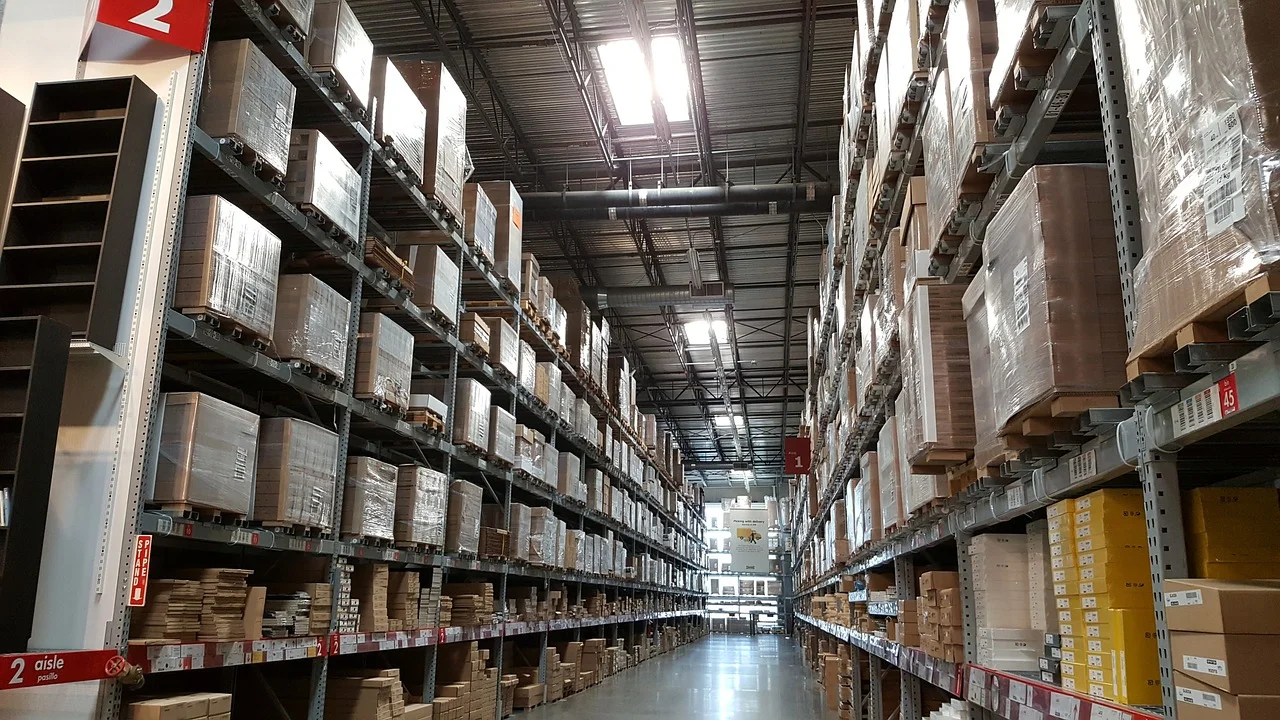
In 1994, I was responsible for quality control for a ceiling grid joint venture between Armstrong World Industries and Worthington Industries. At the time, we had two domestic plants, but plans were in place to build a new plant in a town in the northern part of France, Valenciennes.
As an Industrial Engineer, I was very interested in the overall design and layout of the plant, and wanted to help maximize the flow of materials throughout the plant. I was invited to participate in the early development of design options.
In 1994, I was responsible for quality control for a ceiling grid joint venture between Armstrong World Industries and Worthington Industries. At the time, we had two domestic plants, but plans were in place to build a new plant in a town in the northern part of France, Valenciennes.
As an Industrial Engineer, I was very interested in the overall design and layout of the plant, and wanted to help maximize the flow of materials throughout the plant. I was invited to participate in the early development of design options.
Working with other staff members at our plant, we came up with what we believed would be the best use of space for the six planned operating lines. We considered where the raw materials would come into the plant, get stored for the lines, and then after production where they would be stored and then later shipped. We also considered where the personnel and mobile equipment would interact with the lines and believed we had designed a safe and productive plant for construction.
Compressed and Stressed
We were invited to present our design at an executive review of the top 4 plant design options. I was excited to be included in this critical process. As the designs were reviewed, it became apparent that the executives liked a design that looked extremely compressed and had conflicting flows of materials and personnel. As the president of the joint venture was speaking about it, he said that the compressed design allowed the plant to start up three months earlier, as only part of the plant would have to be built to house the operating lines and then the warehouse could be built at a later time.
I knew this design would be unsafe and the plant would be stuck with poor flow for many years to come. However, the other executives in the room seemed to be in agreement with the president and they were ready to pick this design to build. I could feel the stress welling up in me and I knew I had to voice my concerns with the decision. Some of my design team knew I was about to speak up and they looked like they thought it might be my last day working with them.
“Are you willing to risk the future of the plant, just to start up three months early?” I asked them. The vice president of engineering looked at me and asked me to elaborate. “If you look at the compressed design, you’ll see that there is no safe way for mobile equipment and personnel to service the lines when they’re all operating.” I then proceeded to show them how products coming off three of the lines would be in the way of products coming off of the other three lines. The engineering VP then chimed in and reinforced my point, saying, “That was bothering me too!” I couldn’t believe that he needed a young engineer to voice this vital concern. Luckily, I don’t know how to keep my mouth shut.
The conversation in the room changed and the executive team took another look at all of the designs and finally chose our design, with a few modifications. As we left the meeting, I felt relieved and satisfied that I spoke up.
Show and Tell Gone Wrong
A number of months later, the plant was getting ready to start production and I was asked to develop quality control drawings and provide training for the technicians who would be checking the products as they were being produced. I had been to France one other time in my life, but relied on my parents to take me around and deal with any issues. Now it would be my turn to figure things out.
I was assigned a bi-lingual college student to work with when I got to the plant. My job was to teach him about how ceiling grid worked, the technical details, and then design a training program for the employees. The first thing I needed to do was to show him how the grid was supposed to work.
Ceiling grid provides a framework for the ceiling tiles, lights, vents, and other accessories to fit into. The dimensions must be accurate, or the parts won’t fit. The company had made some innovations to make the grid stronger, using “stitching”. Stitching joined the metal together in such a way that it would stay straight and wouldn’t flex when it was being installed. The stitch also made the metal act as if it was thicker in a way that didn’t get in the way of installation. There are holes in the grid that allow other grid components to be inserted and connected at ninety-degree angles in order to make the complete framework for a room.
I started at the beginning with my student. I put a twelve-foot bar of grid on the floor of the plant and told him to imagine it was up in the ceiling. Then I showed him how the first four-foot bar of grid was designed to go through the hole in the twelve-foot bar. Next, I told him, “Now, we put the connecting four-foot bar of grid through the hole to meet up with the other four-foot bar like this …. like this …” They were both supposed to fit through the same hole and connect to each other, but they didn’t. What could be wrong?
Fixing a Stitch
I turned one of the four-foot bars around and found that I was able to connect both bars through the hole. I got more grid and found that 33% of the connections weren’t working. 33% is an unacceptable scrap rate, so we had to figure out what was happening. It turns out that if the stitch was in just the right (or wrong) place on the ends of two pieces of grid, it made the metal appear to be thicker than the width of the hole, and the grid wouldn’t fit. We had to figure out how to remove the stitch from the ends of the grid or we wouldn’t be able to sell the grid from our new plant.
It turns out that this was the day the first shipment of grid was to be sent from the facility to their first customer. There was a celebration in the plant with speeches, cheering, and champagne. I took the plant manager aside and informed him of what we had found and that we would need to bring the shipment back to the plant in order to assess the situation and protect the customer and the new plant. He looked unhappy, but understood what he had to do.
The following day, we determined how to remove the stitch from the ends of the grid and the quality problem was solved. We delayed the first shipment by two days and the plant was successful for many years following this initial issue. Being observant and speaking up spared the company from huge losses and damage to its credibility.

Speaking Up Takes Courage
In 2011, I was asked to assist a team in Pensacola, FL who wanted to improve processes in their distribution center. We were given four days to accomplish our task – reduce shipping damage by 50%. This was a tall order, but the team was up for the challenge.
In 2011, I was asked to assist a team in Pensacola, Florida who wanted to improve processes in their distribution center. We were given four days to accomplish our task – reduce shipping damage by 50%. This was a tall order, but the team was up for the challenge.
After a half-day of training on Lean tools and techniques, the team took a walk in the distribution center and supplying processes and identified many ideas they thought would improve the situation for everyone who worked there.
All of the ideas were shared and the team prioritized the ideas they wanted to implement first. Breaking the team into smaller sub-teams, we picked the top three projects to work on. Each sub-team developed their solutions and began to implement them. At times during the day, we would come back as a full team and review each sub-team’s progress. Things were getting done, but it wasn’t clear that any of the projects would significantly reduce shipping damage.
On the morning of the third day, I asked the team if they had any feedback or ideas to help us make better progress against our goals. The room was silent. One of the team members, let’s call her Ruth, had an uncomfortable look on her face. I didn’t want to put her on the spot, so I asked each team member, one at a time, to give one suggestion they thought would make the day better for everyone. Most people said things like, “Let’s work better as a team,” or “We should try to get more done.”
When I got to Ruth, she blurted out, “I don’t think we’re working on the right things.” This took me by surprise. I wanted to know more. She then explained we weren’t focusing on the root cause of the shipping damage. She thought we were just working on things that were easy to implement, not directly impacting the causes of shipping damage.
I felt a sense of panic – we were in the third day and would be reporting our results at the end of the fourth day. There was little time to spare, but we had to resolve this issue or else we would fail. We were a team and the members started to share their thoughts with Ruth about the problem we were trying to solve. They realized Ruth was right. We were avoiding the real issues causing shipping damage. We brainstormed again and prioritized efforts based on the right things to do, not the easiest things to do. Relief started to wash over me as I realized the team was determined not to fail.
Once we finished prioritization, the team split into four sub-teams. Each sub-team had a sense of urgency and purpose and worked on their projects with energy and a “refuse to lose” spirit. If they had a question, or got stuck, they went to find help. Nothing got in their way. Almost all team members stayed late and everyone agreed to come in two hours early the next day to ensure their work would be done.
We decided to abandon the standard Power Point presentation of our findings and changes and worked right up to the time of the report out. When the leadership team came to see what we had done, we gave a tour of the changes we implemented to reduce shipping damage. They were impressed and believed we had accomplished our goal of 50% reduction.
I learned a valuable lesson from Ruth, and it’s one I share with all of the teams I work with. Understand the problem you are trying to solve. Once understood, focus on the thing(s) that will solve the problem, no matter how difficult they may seem. If you’re veering off course, have the courage of your conviction to steer people back on course. Never be afraid to speak up.
I now give all of my teams many opportunities to speak up and share their concerns. I also do it as soon as possible in every Kaizen event I lead or facilitate. It’s better to change course than end up in the wrong destination. Thanks to Ruth for being brave enough to steer us back on course.
PIP Visits Dogfish Head Brewery
One of the benefits of being in business for yourself is to decide what’s most important to you and then prioritize your time to let you do what you are most passionate about.
One of the benefits of being in business for yourself is to decide what’s most important to you and then prioritize your time to let you do what you are most passionate about.
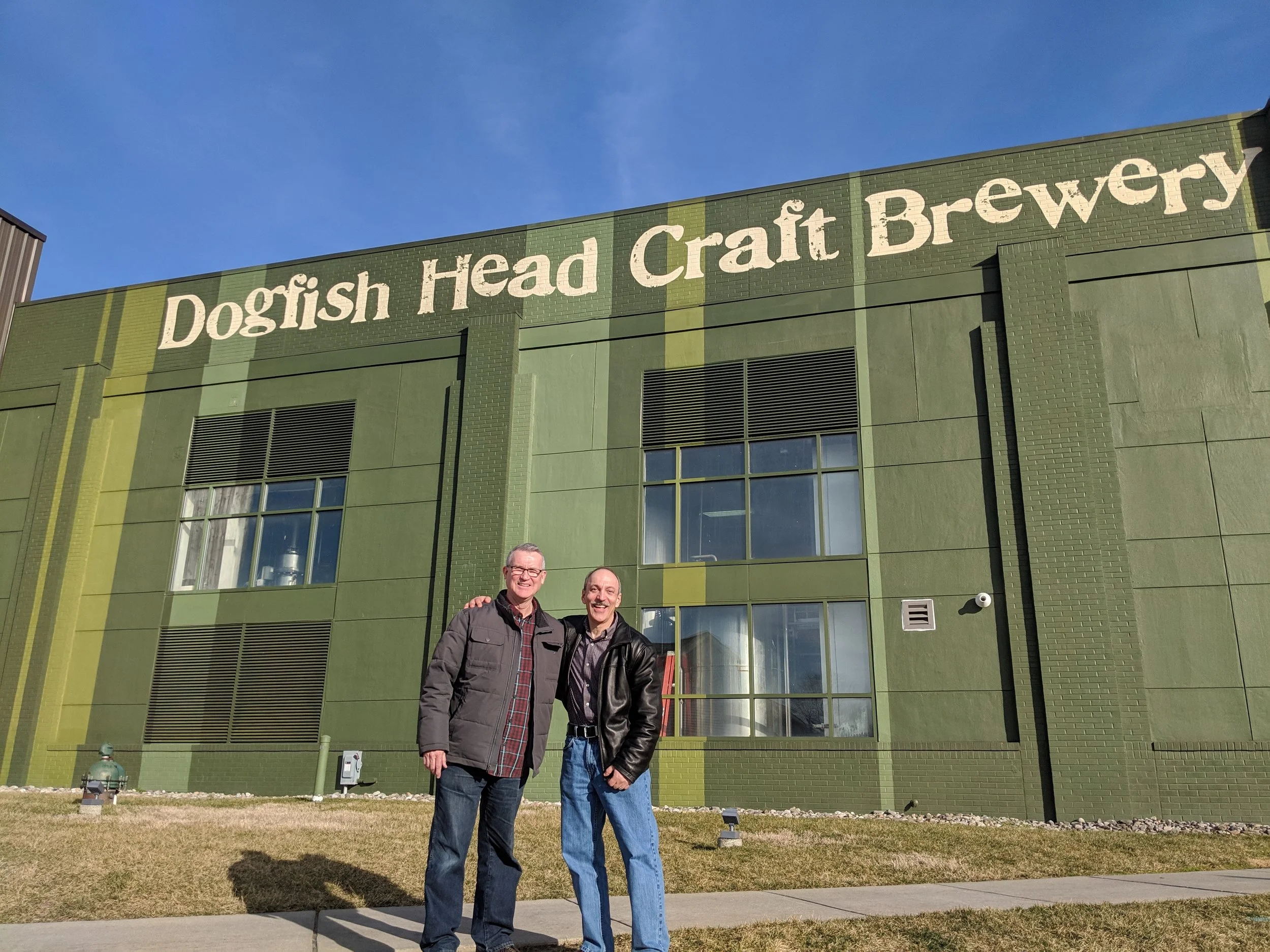
Recently, I had the opportunity to visit with Gordon Zavilla. Gordon and I worked together at Armstrong a few years ago and he was interested in accelerating Dogfish Head Brewery’s continuous improvement journey. Gordon invited his boss, Brian Hollinger to join us during the visit. We took a walk of the processes and shared ideas of ways to immediately improve safety, productivity, and customer service. We also discussed a strategic approach to the improvements they want to make. Their culture of employee engagement and creativity is a great foundation from which to build on.
One of the most creative tool boards I have seen was in their maintenance shop. Notice how there are actually three boards in one. No searching for anything in traditional tool boxes.
Thanks to Gordon and the great folks at Dogfish Head who taught me what it means to be “Dogfishy”.

350 Business Owners
An engineered flooring plant in Kentucky was losing money. They knew their product yields were deteriorating and didn’t know what to do about it. Process Improvement Partners was invited for a site visit. After reviewing performance and discussing the issues with plant leaders in a meeting room, we took a Gemba Walk to see what was actually happening.
An engineered flooring plant in Kentucky was losing money. They knew their product yields were deteriorating and didn’t know what to do about it. Process Improvement Partners was invited for a site visit. After reviewing performance and discussing the issues with plant leaders in a meeting room, we took a Gemba Walk to see what was actually happening.
As we walked around the plant, it was obvious that safety was the top priority in the plant. There was signage and effective placement of supporting tools and materials. Most importantly, all leaders in the plant were demonstrating their commitment to safety. It was clear production was the next priority. There were hour by hour production boards, and all kinds of measures of productivity posted around the lines and in the offices. There was no sign of the importance of quality or yield to be found. We searched all over the plant, but there was nothing that showed people what to do to reduce defects or improve yields.
We suggested a three-day Kaizen to develop managing systems to shift the plant from a culture of productivity to one of quality and yield. The Plant Manager was unsure how we would do that, but was open to the possibility of using a Kaizen for such a significant effort. We agreed the team would be made up of all of the members of the plant leadership team, with a few extra guests added to provide outside perspective. We also suggested a few highly trusted production operators be included on the team, as they would provide an unfiltered view of what they would need in support of their efforts to improve yield and quality.
The Plant Manager was not comfortable with the production operators participating in the entire Kaizen, but did agree they should participate in part of the agenda to provide their perspective on efforts to improve yield and quality. Their part would be on the agenda on the first day, representing the Voice of the Customer.
The Kaizen started with a kick-off from the Plant Manager. It was clear most of the team wasn’t sure anything important was going to happen during the three scheduled days and were wondering why they weren’t in the plant running operations. After introductions, we reviewed some Lean managing systems and had a discussion about the current mind-set and culture of the plant. It was apparent all team members valued safety above all and then production. They were not sure quality and yield was well emphasized or even highlighted.
At about 10:30am, a group of six production operators and two production supervisors entered the room. They took their seats with the rest of the team and waited uncomfortably to see what would happen next. It seemed as though nobody had explained to them why they were there and they hadn’t interacted with the leadership team in this type of setting before.
I thanked them for joining us and explained the purpose of the three-day Kaizen and their role in this part of the agenda. They were our Customers. They were not impressed. Next, I told them we wanted to get their honest feedback about how the plant was run. Still not impressed or even believing we would listen to and use their feedback, it seemed likely they wouldn’t offer anything of value unless I could get them to relax and open up.
I asked a series of open-ended questions, such as “What is the message you currently receive about the importance of quality and yield vs. productivity? Is it clear or confusing? How do you decide to prioritize productivity vs. quality and yield vs. safety when you are in the middle of a production run?” A few gave some short, terse answers, and a few of the leadership team members asked follow-up questions to show they were listening. Still, nothing of high value was being shared.
After about 30 minutes of questioning and terse answering, I asked this question, “If you could change one thing about how the plant is run, what would it be?” One of the production operators, let’s call her Sally, blurted out, “If these SUMBICHES would just care enough to come to work every day, things would be better!” Blushing, she put her face in her hands. The room roared and clapped with approval. The Plant Manager thanked her for being so open and honest and said he wanted to know more about what she meant by her statement.
All of the sudden, the Customers opened up and told the team exactly what they thought. They talked about the leadership approach and the message that was being sent to the production operation about the value of quality and yield. People were now sharing their thoughts, feelings, and ideas, and leadership was listening. We were getting somewhere. After another hour or so, we had exhausted all topics and thanked our Customers for joining us. There were handshakes, high fives, and hugs and everyone left feeling like they had contributed to something important. It was clear that the production operators and supervisors truly cared about the company and its impact on their families and the community.
The team now knew they had important work to do, and the next step was to create a vision for the plant emphasizing what their customers needed to do their job in the best possible way. It didn’t take long, and they came up with this vision statement:
“350 business owners with a yield-first mindset making every plank matter. Close is not good enough – stop until the customer will be delighted. Encourage everyone to take the time to make it right the first time.”
The rest of the Kaizen was spent developing strategy and tactics to support and emphasize the new vision. There was energy and excitement, and by the end of the Kaizen, you could see and feel the difference in the plant. The initial results were promising, as quality and yield performance improved. More than that, 350 people were aligned around what’s most important to them, their families, and their community.

Who is Your Customer?
We are all customers. We want what we want, when we want it, at the level of quality we expect, in the proper quantity. We are the final say as to whether a business will thrive, survive, flounder, or die. The business must deliver to our expectations, or we will not continue to purchase products or services that they offer.
We are all customers. We want what we want, when we want it, at the level of quality we expect, in the proper quantity. We are the final say as to whether a business will thrive, survive, flounder, or die. The business must deliver to our expectations, or we will not continue to purchase products or services that they offer.
It’s surprising how many businesses wrongly believe shareholders are their customer, rather than those who actually derive benefit from what they offer.
A key principle of Lean is that everything should be optimized to the benefit of the customer, and anything that doesn’t deliver value is considered waste and should be eliminated.
It is therefore critical that you understand who your customer is, what is most important to them, and what they perceive as value.
Identify Your Customer
Questions to consider to identify your customer(s):
Do they pay for your product or service?
Do they provide feedback about your product or service, and how it affects them directly?
Do your actions directly influence their behaviors?
Do they depend on you for the product or service that you deliver?
Sometimes, we need to look internally to identify our customer(s). For example, in a manufacturing plant, one department receives a product from another department. The receiving department is the customer of the delivering department, and requires the product to be the proper quantity, quality, and to arrive on schedule. Anything that deviates from this is waste and should be eliminated.
Likewise, the workers in the same manufacturing plant are the customers of the Leadership Team, who makes decisions on their behalf. Their families are also customers as strong business decisions keep paychecks rolling in.
What is Most Important to Your Customer
Once you have identified your customer(s), you then need to understand what they truly want from you or another provider. To find out, you can analyze market trends, speak to your Sales and Marketing departments, host focus groups, and/or go directly to your customers and find out. Oftentimes, customers may not be able to directly identify everything that they want, but with the proper questions, you should be able to get the heart of their issues. Consider these questions:
What do you like about the product or service that we provide?
What don’t you like about the product or service that we provide?
What issue or need are you trying to solve with the product or service that we provide?
What are we not providing that you wish we would provide?
What changes would you make to our product or service that would make things better for you?
What do you wish you could say to our CEO about the product or service that we provide?
It’s surprising how effective face to face communication can be with customers. It’s also surprising how few of us use this method to extract critical information from them. Most people appreciate the opportunity to have these conversations. Now let’s talk about value.
A Question of Value
If you have identified your customer and reviewed what’s most important to them, you should be close to answer how they define value. Value isn’t necessarily a monetary thing, but can be thought of as something that enhances the customer experience. Some examples include:
Reduces time and/or effort
Simplifies a task
Enhances quality of life
Makes them happy
Keeps them safe and secure
And the list goes on
Once you have identified your customer, what is most important to them, and how they define value, you are ready to attack and eliminate waste in your business. To understand more about waste, read the blog entitled, “The Eight Deadly Wastes.”