
Kaizen Success Stories
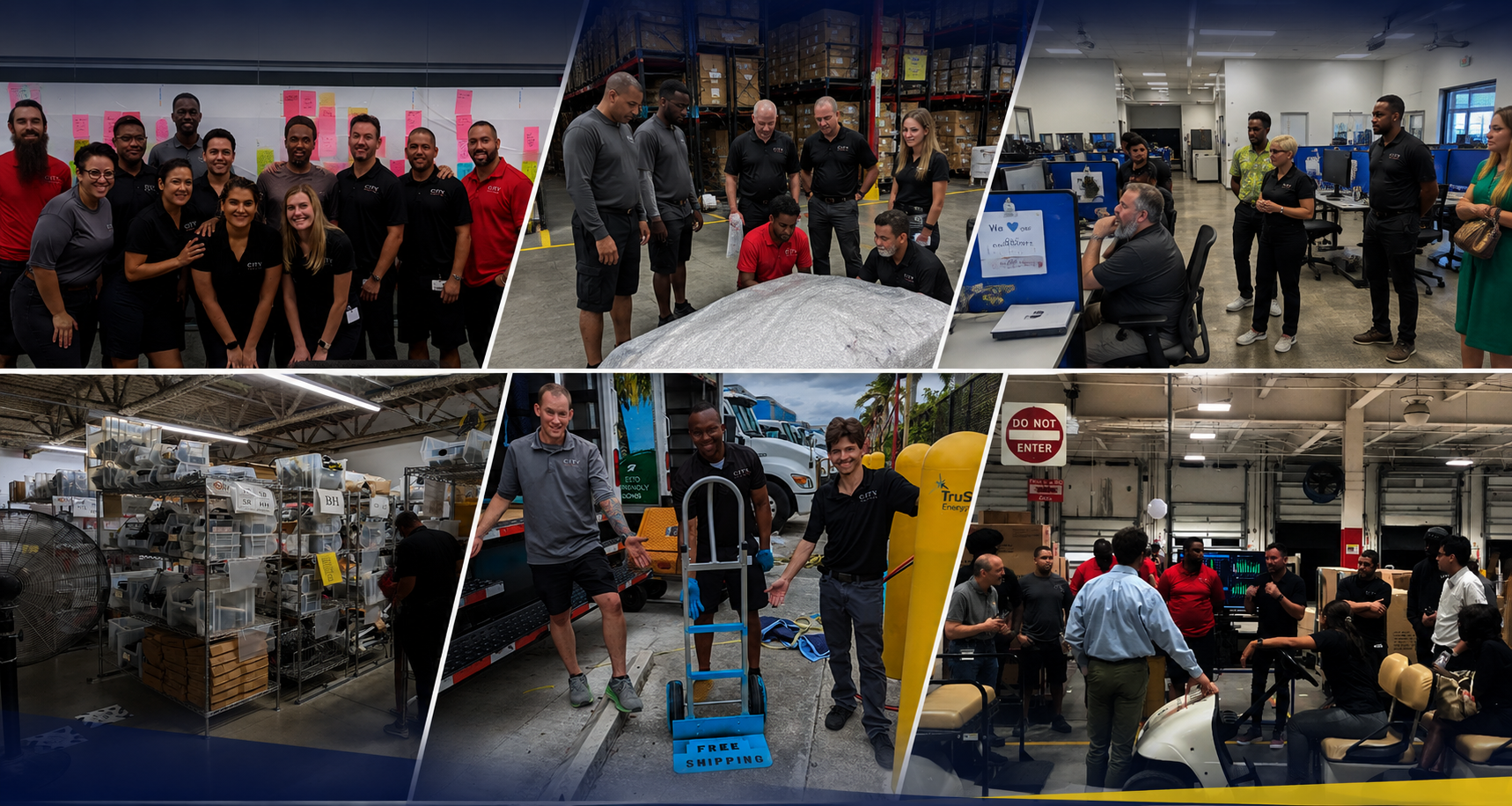
Real Manufacturing Results. One Kaizen at a Time
Explore real-world Kaizen success stories showing how manufacturing teams solved critical problems, improved performance, and created sustainable results.
What do you do when you’re the Industry Leader – you Improve!
Armstrong World Industries is the global leader in suspended ceilings. That might not seem like much to you, but when you sell over a billion square feet of ceiling tile and the grid to suspend it every year, you’re making a big impact in the construction and housing market.
Armstrong World Industries is the global leader in suspended ceilings. That might not seem like much to you, but when you sell over a billion square feet of ceiling tile and the grid to suspend it every year, you’re making a big impact in the construction and housing market.
One of the things that sets Armstrong apart is innovation and forward thinking in all of the things they do. Although other competitors are trying to influence building codes, Armstrong has the strongest presence and is leading the way in making sure office and other spaces are the healthiest, most energy efficient, and quietest they can be.
Paul, the head of codes and standards, was a big fan of my support to other areas of the technology department. We had many conversations on how Lean was helping his colleagues improve their processes and we often wondered how I could support his team’s efforts.
One day, we were talking about codes and standards and how Armstrong’s competitors were making inroads influencing the critical changes for building health and safety. Paul said it seemed Armstrong was losing its leadership position. People were participating on committees and submitting white papers, but weren’t moving the needle in the right direction. He felt we needed a breakthrough to retake our leadership position.
We both realized, almost at the same time, a strategy session could help drive the changes that would maintain our leadership presence. We agreed a Value Stream Mapping (VSM) session was the approach to take.
We plotted and planned. We chartered the event. We invited critical team members, including our internal customers, Sales and Marketing, manufacturing plant representatives, selected engineers and scientists, and members of Paul’s staff.
Our CEO kicked off the event and gave his support to the team. He told us what we were doing would be vital to the successful future for the company. No pressure at all! The team was enthusiastic and energized. But many of them wondered how using Value Stream Mapping would help them create a future that was any different than the path they were on.
There are two critical moments in any VSM event. The first is when you take a Gemba Walk (going to see) through your process. During this walk, the team saw many aspects of the current process that were overly complex and had opportunities for improvement. Many ideas were written down and shared.
The second critical moment happened when the team visibly mapped the current state process on a wall. There were so many steps and delays. There was waste and opportunity beyond anything they had imagined. Now that they could see it, they could do something about it. The ideas flowed even faster. There were so many things within the control of the team, and they prioritized the ideas they thought would make the most difference and could be implemented.
We built plans to attack the most impactful opportunities to drive codes and standards leadership. By the end of the week, we had a roadmap to distance ourselves from our competitors. Everybody won, as the changes would strengthen the health and safety of everyone who inhabits the office, school, and other business spaces. And, because of the alignment of the team and their sponsors, their customers would receive those benefits quickly.
Building Their Future
A leading global building products company reached out for assistance with a strategy session. When I spoke with Vince, the sponsor/team leader, I listened to his pain points and suggested facilitating a Value Stream Mapping (VSM) session for his team. He told me VSM wasn’t how he wanted to proceed. Even though I thought it would be the best approach, I listened to his concerns and modified my approach for his needs. I’m glad I did.
A leading global building products company reached out for assistance with a strategy session. When I spoke with Vince, the sponsor/team leader, I listened to his pain points and suggested facilitating a Value Stream Mapping (VSM) session for his team. He told me VSM wasn’t how he wanted to proceed. Even though I thought it would be the best approach, I listened to his concerns and modified my approach for his needs. I’m glad I did.
In the weeks leading up to the event, we strengthened our alignment on approach and expected outcomes and Vince engaged his team in preparation for this critical event. You see, they were intending to build their roadmap for the next 3 to 5 years. This could be worth millions of dollars and significant market share growth. We had to do it right.
The session was to begin on Tuesday, so I flew in and met Vince at the airport on Monday morning. We spent the first part of the day touring their local manufacturing facility. During the tour, I identified many improvement opportunities I thought might tie into the strategy session. Vince was intrigued by some of my ideas, including reliability and changeover improvements.
On Monday afternoon, we set up the meeting room and met some team members. We continued to talk about the upcoming session and some of the ideas from the plant tour. In the evening, we continued the conversation and alignment over dinner.
On Tuesday morning, we kicked off the session with a Voice of the Customer review. We then developed aspirational statements for the business. We would use these to help us design our strategy around for critical categories: safety, employee experience, customer experience, and manufacturing cost structure. The statements were impactful and compelling and inspired the team members.
Next, team members identified pain points and gaps in their current process keeping them from achieving their aspirational vision. Afterwards, they brainstormed actions and projects to eliminate those pain points and gaps. Many ideas were generated, including some thoughts around reliability and changeover reduction. We filled the walls with ideas. The room looked like a Post-it tornado had come through.
The team prioritized their many ideas down to the vital few they could develop and implement in the next three to five years. Reliability and changeover reduction made the cut. Following this, they created concept sheets to describe the critical work to achieve their future. After reviewing and aligning around most of them (2 were eliminated), they built a road map for the work on the one remaining wall in the room that wasn’t covered in Post-its.
As with many road mapping exercises, the team saw they had front-loaded the work in the most recent quarter and year, and some people were overloaded. This isn’t unusual and that’s why I like to make this process visual. They rearranged the work, and it looked more manageable.
Satisfied, the team felt they had built a compelling future they could stand behind. Proud of their work, they decided to keep everything on the walls for a corporate leadership review to be held the following week.
During the report out, they talked about their experience and how the visualization helped them align around a future they could be proud of. They also mentioned how they were able to focus and accomplish in one week what typically would take months to do.
Following the session, I was asked to support their reliability and changeover reduction efforts. I am looking forward to helping them achieve their vision.