
Kaizen Success Stories
Real Manufacturing Results. One Kaizen at a Time
Explore real-world Kaizen success stories showing how manufacturing teams solved critical problems, improved performance, and created sustainable results.

Respect First - Running Kaizen Successfully in a Union Environment
How clarity, respect, and one simple agreement unlocked engagement and protected results.
Kaizen Snapshot
Setting: Unionized distillery in Kentucky
Challenge: Excessive changeover time between bottle sizes
Stakes: Many thousands of additional bottles per year
Approach: Gemba walk, union alignment, Kaizen Waiver
Outcome: Constraints removed, continuity protected, team fully engaged
Key Lesson: Respect builds alignment, even in complex environments
The Situation
I’ve been running Kaizen events for more than 30 years in all kinds of environments, union and non-union alike.
While the rules may differ, one thing never does:
people are people, and everyone deserves to be treated with respect.
During a recent site visit to a distillery in Kentucky, leadership shared their most pressing need: reduce changeover time when switching between bottle sizes.
If we could cut the time in half, the plant would unlock capacity for many thousands of additional bottles each year. The business case was obvious and worth pursuing.
What Was Getting in the Way
The plant was unionized, and two contract constraints surfaced immediately:
Division of labor: Production, maintenance, and management roles were clearly defined. In a Kaizen event, however, everyone needs to test ideas regardless of title.
Overtime by seniority: If overtime was required, a more senior employee could replace a team member mid-event, disrupting continuity and momentum.
I knew from experience that if we didn’t address these issues before the event, the team would be constrained and the results would suffer.
What We Did
In similar environments, I’ve used what I call a Kaizen Waiver, a temporary, transparent agreement that allows:
Any team member to do the work the team needs
Team continuity if overtime is required
My team leader hadn’t used this approach before, so I suggested we take a Gemba walk and meet directly with union leadership.
That’s when we met Sam, the union vice president.
“We’ve tried this before. What are you going to do that other consultants couldn’t?”
I didn’t deflect the question.
I told him exactly what I planned to do:
Listen to the team.
Prioritize improvements that would make the biggest impact on safety, quality, and effort.
Sam’s next concern was one I hear often:
“What happens when you’re gone?”
I explained that if we made the process safer, truly safer, no one would want to go back. And I would rely on both union leadership and plant leadership to hold people accountable to the new standard.
When Sam asked about the contract, I walked him through the Kaizen Waiver and why it was critical to the team’s success.
After thoughtful questions and discussion, he agreed to support the approach.
I asked if he wanted to be on the team. He declined, which was understandable. That would have put him in a difficult position with his membership. But his support was enough.
What Changed
With constraints removed up front, the team was able to:
Fully engage in testing and implementing improvements
Maintain continuity throughout the event
Focus on solving the real problem, not navigating rules
The Kaizen event itself was a success. But more importantly, it was done in a way that respected everyone involved.
The Takeaway
When you explain why you want to work differently, and you do it with respect, alignment is possible.
Union or non-union, Kaizen works best when trust comes first.
Why This Matters
Too many improvement efforts stall because leaders avoid hard conversations or try to work around constraints instead of addressing them directly.
Respect, clarity, and alignment remove friction — and create space for real results.
Ready to Apply This Approach?
If you’re navigating improvement in a complex environment and want results that stick:

If Everyone’s Responsible, Nobody’s Responsible
I visited a consumer goods factory in Pennsylvania. They were profitable, but concerned their ability to service customer orders was deteriorating. I met with plant leadership and took a Gemba walk through the distribution center.
I visited a consumer goods factory in Pennsylvania. They were profitable, but concerned their ability to service customer orders was deteriorating. I met with plant leadership and took a Gemba walk through the distribution center.
They were proud of their efforts to apply 5S. I asked Angela, the Distribution Center Manager, how they used 5S to help them service their customers. She was unsure of my question, so I posed it in a different way:
Me: “What benefits do you get by using 5S?”
Angela: “It’s cleaner in the distribution center than before we used 5S.”
Me: “It does look clean. Well done. How does that help you?”
Angela: “We don’t spend time cleaning up behind each other.”
Me: “How do you ensure it stays clean?”
Angela: “I remind our employees to use 5S and clean up after themselves daily. Sometimes they need additional reminding.”
Me: “Can you show me an example?”
We walked to a tool board. There were spaces for seven different tools. The shape of each was painted on the board. It was apparent where things were to be placed, except all tools weren’t on the board. Only two of the seven were present.
Me: “Where are the other five tools?”
Angela: “I’m not sure. People are probably using them right now.”
Me: “Can we take a look or is there someone we can ask to find out?”
Angela: “We should be able to ask anyone here. Everyone’s responsible for keeping the tool boards filled.”
Me: “I’d like to find out how that’s working.”
We found a distribution center employee and asked him if he knew where the missing tools were. He wasn’t sure. We walked to four other tool boards. Freshly painted, all were missing tools. Without an owner for the boards, there was no Accountability to keep them filled and ready for use. This led to less than effective cleaning.
During the rest of our Gemba walk, we found many more examples of how the lack of Accountability kept performance at low levels. When everyone’s responsible, nobody’s responsible. Once we identified systemic lack of Accountability as the underlying cause of low customer service levels, Angela and I chartered a Kaizen event to resolve the situation.
Color Coded Badges
The Pilot Plant at Armstrong World Industries, a global ceiling tile manufacturer, has tons of operating equipment designed to allow technicians, engineers, and scientists to try out their ideas and experiment in their efforts to create new processes and products. One of the areas in the Pilot Plant that gets the most use is the wood shop. Containing over 50 separate pieces of equipment, much of it requiring skills to operate it safely.
The Pilot Plant at Armstrong World Industries, a global ceiling tile manufacturer, has tons of operating equipment designed to allow technicians, engineers, and scientists to try out their ideas and experiment in their efforts to create new processes and products. One of the areas in the Pilot Plant that gets the most use is the wood shop. Containing over 50 separate pieces of equipment, much of it requiring skills to operate it safely.
Each area in the Pilot Plant has an owner, and the wood shop is no exception. Troy is his name (made up to protect the guilty), and he manages a tight ship. As much of the equipment in the wood shop had cutting and grinding capabilities, there was a need to train people to use the equipment safely and properly. Troy takes his responsibilities very seriously and has trained all of the people who wanted to use the equipment himself, on an annual basis. If someone wanted to use the equipment but wasn’t trained or qualified, Troy wouldn’t let them. That is, if he was aware of it.
It turns out that some of the employees used the equipment without training or qualification from Troy, when he wasn’t there. Word got back to Troy and he was not happy about it. This was his area and he was responsible for it. He knew he needed to do something to keep people safe and doing the right thing, but his earlier efforts confronting those who were breaking the rules didn’t get the desired results. He even spoke with the managers of those who were breaking the rules and that didn’t work either. More and more frustrated, he looked like he was about to blow a gasket one day and I decided to see if how I could help.
Shifting Responsibility
When we first started discussing the problem, Troy told me people should respect the rules and equipment and act responsibly. If they weren’t willing to follow the rules and keep themselves safe, “we should fire the lot of them.” Knowing that terminating employees isn’t the ideal solution, I wondered if he was willing to try a different approach. As I had worked with Troy for many years and we got along pretty well, he humored me and listened to what I had to say.
I acknowledged the problem and how critical it was for people to do the right thing. I also acknowledged Troy’s tremendous energy and effort that he had put into the training and expectations in the wood shop. He had trained more than fifty employees annually and kept careful records. He did the follow-up and communication and tracked compliance. Quite a task, as it was in addition to his normal duties in the Pilot Plant. I asked Troy if he thought there was a way to make it easier to enforce compliance that wouldn’t be totally reliant on him. If I saw Joe using a band saw, I had no way of knowing whether Joe had been trained and qualified to use the band saw. I could ask Joe, but that wasn’t an efficient way to create accountability.
Troy looked at me kind of funny. I get that look often. I could tell he was processing my question. Then I pointed out the area in his wood shop where everyone can assess compliance, the tool board. Anyone could tell whether all the right tools were on the board and when they were missing. It was easy to step in and hold people accountable to do the right thing. The visual nature of the board made it easy for anyone to help. Now the light bulb went on for Troy. I was ready to help some more, but I could see that he wanted to figure things out for himself.
Earn Your Badge
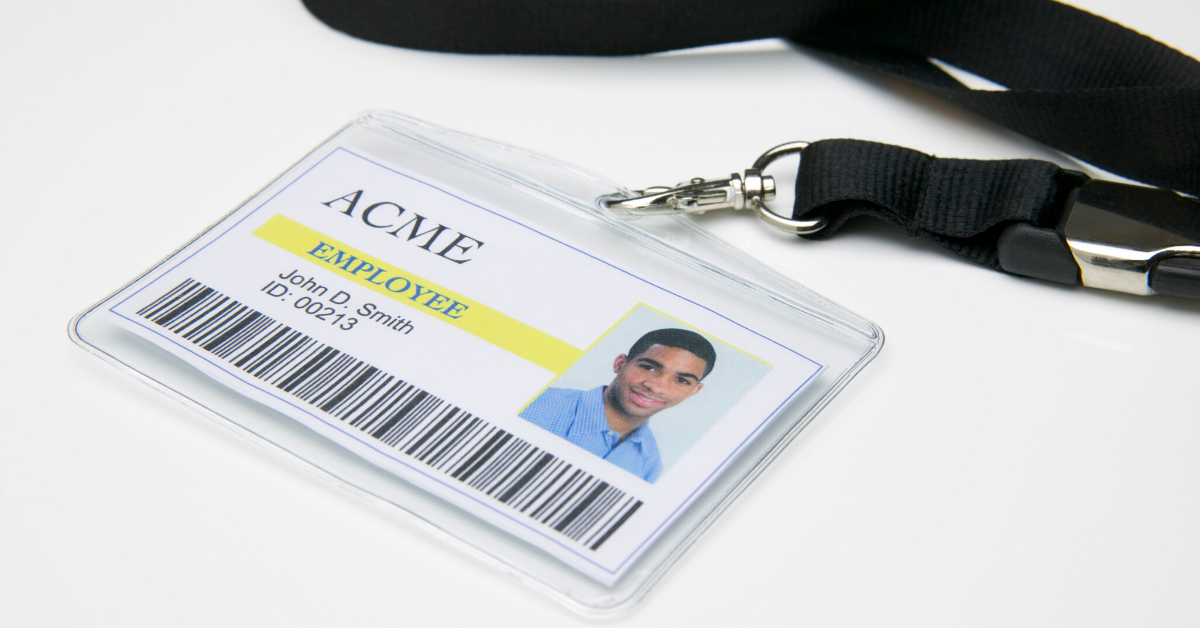
Three weeks later, Troy was ready to share his solution for training and accountability in the wood shop. He created a badge system with three colors, red, blue, and yellow. Yellow was the lowest safety risk level, blue was next, and red was the top safety risk level. He identified the safety risk of each of the over 50 pieces of equipment used in the wood shop, assigned them a risk color, and attached the appropriate badge to each piece of equipment. Next, he communicated the new badging system to the organization. Finally, he would personally assign a badge to each person based on their training and Troy’s qualification rules. Only Troy could issue the badge and only someone wearing a badge was authorized to use the equipment with the corresponding risk level as the badge being worn. If you wanted a higher-level badge, you had to be personally trained and qualified by Troy. Nobody got a colored badge unless Troy authorized it.
The rest of the organization was now able to assess compliance within seconds and help Troy keep everyone safe and doing the right thing. Troy put in all of the preparation and effort. But the rest of the organization could help him maintain compliance. It didn’t take long before we stopped hearing stories of people trying to go around the system. And for good reason, our leaders were holding themselves accountable to help Troy keep the area safe and compliant. The rest of the organization saw how important it was and stayed compliant. It stayed that way through my last days at Armstrong. If I know the organization and Troy, it still is that way to this day.

Little Things Mean A Lot – Revisited
A global consumer goods manufacturer was experiencing high levels of downtime, jams, and long changeovers on a critical production line. They invited Process Improvement Partners to their plant to observe and discuss the problem and identify opportunities for improvement. After reviewing performance, we took a walk to the line. The line was running, and after a description of line components, it became apparent there were quick opportunities to improve performance of the line.
A global consumer goods manufacturer was experiencing high levels of downtime, jams, and long changeovers on a critical production line. They invited Process Improvement Partners to their plant to observe and discuss the problem and identify opportunities for improvement. After reviewing performance, we took a walk to the line. The line was running, and after a description of line components, it became apparent there were quick opportunities to improve performance of the line. The techniques we would use were quite basic: leveling, squaring, aligning, and centering of products with the process. It seemed so simple, and the customers were skeptical. We suggested a five-day Kaizen to improve line reliability, scheduled for January 2019.
Leading up to the Kaizen event, we had many discussions with line operators, mechanics, and engineers, and we made several confirming observations on the line. During a discussion with the Plant Manager, it became apparent he didn’t buy-in to the approach. He had used a process called “Center Lining” before, and had mixed results. In addition, it took weeks to accomplish. We assured him centering of the process would be completed on the first day of the Kaizen and then we would optimize all parts of the process around the center in the following days. He was still skeptical, but heard enough and saw our confidence, and gave final approval for the Kaizen to proceed.
Taking a Different Approach
In most Kaizen events, we provide a structured approach to the team charged with solving a problem. We very rarely dictate specific actions to the team. In this case, the entire first day was controlled and team members were asked to follow very specific instructions before implementing their ideas.
After receiving training on the approach, the team walked to the production line. We reviewed safety requirements, shut down the line, and locked it out. The next step was to identify the center of the critical packaging process. This was the part of the line where everything comes together – the product and the package. We told the team everything leading up to the packaging process should be located and optimized to the center of the process. They didn’t think it would be very important, but were willing to learn and find the center of the line.
We located the center of the line at the midpoint of the conveyor frame on the out-feed side of the equipment and wrapped a string around that point. Then, stretching the string through the equipment, we found the center of the conveyors leading up to the equipment. A trained eye can keep the center precise within 1/32”, so we found what we believed to be center along approximately 100 feet of equipment and conveyor and pulled the string taut. Then, we marked the equipment and conveyor every 4 feet along its length to identify center for the process. Once complete, we noticed all product was coming into the equipment off center. The packaging was tracking off-center as well. That was the first time the skeptical team members saw something they weren’t expecting.
Taking Things to the Next Level
Our next step was to check the levelness of all of the conveyors leading up to and through the equipment. Ideally, all conveyors should be no more than 1/32” out of level at every transition (one section of conveyor to the next section) and side to side. Using a torpedo level and some shims, the team documented levelness of every section of conveyor.
In the middle of the leveling effort, I realized the team needed a longer level than was available in the various toolboxes around the line. Having done some work in the weld shop in the same factory, I knew there was a six-foot level that would be helpful in our efforts. I walked to the weld shop and asked the area owner if I could borrow the level. He reminded me of the rules of the tools in the weld shop – “Tools should either be on the board or in use. So, don’t forget to return the level as soon as you’re finished with it!” I reassured him that I was well aware of the rule (I had helped the team develop it, after all). So, sufficiently held accountable, I took the level with me.
Now, you need to know that the level had a label on it that read, “Weld Shop 6 Foot Level.” There was no way to not know where it came from and where it was supposed to go. Using the level, I was able to help the team identify and locate proper location and levelness of the conveyers.
Rule of the Tools
Every so often, I had to put down the level, and I made sure I placed it carefully on a table. Sam, an operator on the line we were working on reminded me that I was responsible to return the level as soon as we were done with it. Then, Ray, a supervisor on another line who happened to be walking by made sure to tell me the same rule. Then the HR manager told me. And finally, the plant manager, who was over at the line checking out our work, felt that he needed to remind me to return the level to the weld shop. Whether or not they were doing this to mess with me, it didn’t matter. What did matter was that the story of the weld shop and the rules of the tools had made it all the way through the plant. Every time I was told the rules, the rules were reinforced. This was exactly what I hoped for.
Over the course of our work, the team found many of the conveyors were out of level by more than ¼” and some were out as much as ½”. The good news was this condition was easily corrected, and by the end of two hours, all conveyors were leveled throughout the process. The team was losing its skepticism as the products ran more consistently once we started the line back up. The first day ended with the team handing the line back over to the production organization. And, yes, I returned the level to the weld shop.
Ownership at the Right Level
I was Lean Champion for the global technology team at Armstrong World Industries for many years. During that time, I supported teams of technicians, scientists, engineers, project managers, and the leadership team across four different departments. I had the good fortune to assist teams in their efforts to develop and launch new products, deploy capital equipment, and build factories all over the world. All departments had access to the Pilot Plant to support their efforts when necessary.
I was Lean Champion for the global technology team at Armstrong World Industries for many years. During that time, I supported teams of technicians, scientists, engineers, project managers, and the leadership team across four different departments. I had the good fortune to assist teams in their efforts to develop and launch new products, deploy capital equipment, and build factories all over the world. All departments had access to the Pilot Plant to support their efforts when necessary.
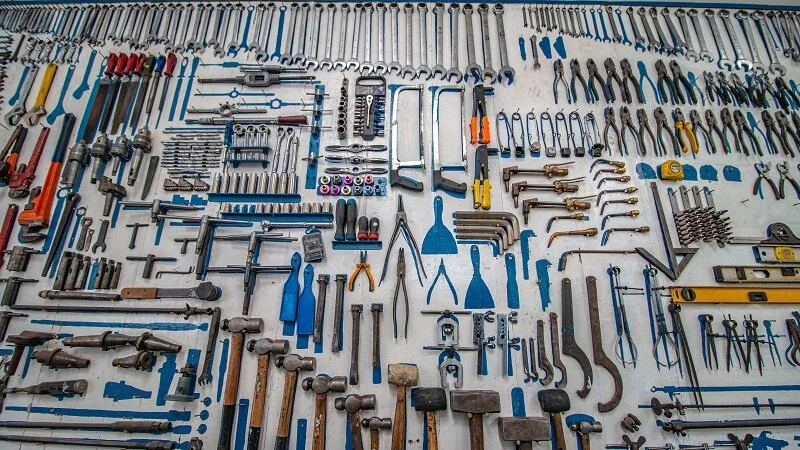
The Pilot Plant was a series of disconnected processes which had the resources and capabilities to test new materials, products, processes, and other ideas in a controlled way. Information gleaned from tests and trials was utilized in the effective delivery of projects and other development efforts. Each of the processes in the Pilot Plant had an owner, who was responsible for the care and safety of the process. The owner would also try to schedule the process to allow it to be utilized effectively and to keep wait times to a minimum. All process owners were the technicians who were most familiar with the operation of their process. Although they were at the lowest level of the group, they were very proud of their equipment and took ownership to keep things safe for their customers.
As Lean Champion, I spent many hours in the Pilot Plant, learning about its capabilities and trying to understand how I might be able to help the technicians in their efforts to support the rest of the organization. It was during my early days in the Pilot Plant that I met a gentleman, we’ll call him Roy, who was lead technician. He had just taken on the leadership role for the Pilot Plant, responsible for the overall effectiveness and operations. Having worked in one of Armstrong’s factories prior to his arrival at the corporate center, he had vast equipment knowledge and some leadership experience.
A Source of Frustration
Before taking over as lead technician, Roy worked in the Pilot Plant as a process owner and participated in the annual Pilot Plant clean-up. This was a multi-day effort by all technicians at the end of the year. They would go through all of the materials, supplies, and equipment throughout the plant and clean out the clutter and reorganize things in as safe and productive manner as possible. All development and testing in the Pilot Plant would be delayed during this time, as all technicians were busy cleaning things up and trying to make sense of what they had.
None of the technicians liked the annual clean-up process because they knew it wouldn’t take long for things to go back to the way they were prior to the clean-up. Roy expressed his frustration to me more than a few times. Once he became lead technician, he was even more frustrated and wanted to do something about it. My first suggestion to Roy was that he should discuss his frustration with his manager and gauge his support for Roy’s efforts. Roy did this, but seemed just as frustrated. Upon further discussion with Roy, I found out his manager was supportive of his efforts, but didn’t offer solutions Roy thought he could implement without direct assistance from his manager. He really wanted his manager to tell everyone to clean up after themselves.
Over the next few months, I facilitated 5S (Sort, Set in Order, Shine, Standardize, Sustain) events in the Pilot Plant to support Roy’s efforts to make areas safer and more productive for everyone. The few area owners who had completed 5S events had a strong managing system to keep their areas in top shape. The other 30 or so areas did not, so clutter and disorganization was prevalent everywhere else in the Pilot Plant. Roy was getting more and more frustrated.
Turning the Corner
One Monday morning, following the weekly technician meeting in the Pilot Plant, Roy stopped me on my way back to my office. “Adam, I’m really frustrated,” he said. “My manager won’t hold everyone accountable to keep the Pilot Plant organized and safe. He tells them it’s their responsibility, but doesn’t do anything about it when they’re not compliant. What can I do?” “Roy,” I said, “Who’s the leader of the Pilot Plant?” “I am,” he said. “Well, as leader, you have every right to set expectations and hold accountability. You are the operations manager; your boss is the plant manager. The plant manager needs you to get your operations in order. Let me help you do that.”
Over the next few weeks we built our strategy for putting the Pilot Plant in order. Our strategy included: setting clear expectations for all areas of the Pilot Plant, redefining responsibilities for all area owners (not just the areas that had been 5S’d), developing a weekly leadership walk (Gemba walk), and creating visual management to hold all area owners accountable. We mounted a large white board in the main meeting room and put lines and names on it, ready to explain it to the technicians at the next technician meeting.
The next Monday morning, we introduced the new strategy for making the Pilot Plant the safest, most productive place possible. The technicians listened with keen interest and asked many questions as Roy described the changes. They were skeptical that there would be any change in behavior of the scientists, engineers, or managers when they used the spaces in the Pilot Plant. Then Roy explained the white board, which he called the “Area Owner” board. On it were over 30 Pilot Plant locations with the corresponding name of the area owner and a space for a date to be written. At the first of every month, a red magnet would be placed for each location, signaling the owner hadn’t yet met certain monthly requirements. Once those requirements were met, the Area owner would replace the red magnet with a green magnet. The Area Owner would write in the date the requirements were met. At the beginning of the next month, all magnets were set back to red.
The technicians were furious. They thought those red magnets made them look like they weren’t doing a good job and didn’t want any part of the new system. I jumped in and explained it was a very visual and urgent way to show what areas weren’t yet compliant and who might need help. The system wasn’t a reflection of the specific area owner, unless he or she hadn’t made the effort to meet the requirements or ask for help. We felt if we could get all areas to green every month, we wouldn’t need the annual cleanup, which everyone hated.
A Delicious Incentive
At this point, the technicians started to buy-in and support the idea, but they were still skeptical that some of the area owners would be motivated to get to green every month. I knew I needed to provide incentive. I said, “The first month we get all areas to 100%, I’ll buy every area owner lunch and we’ll celebrate!” That got their attention. I then described the design of the management walk: We would take a selection of managers of the scientists and others who used the Pilot Plant and tour all areas, looking for areas where we could reinforce the need for compliance to the requirements. We would do this every week and sign off to show we had and we were just as accountable as the technicians.
For the next few months, I attended every Monday morning technician huddle, and reinforced the new systems and encouraged the area owners to get their areas to green before the end of the month. One Monday, late in the third month of the “Area Owner Challenge”, there was only one technician whose area was still red. Almost to a person, the technicians pressured him to get his requirements done and make sure Adam would buy them lunch! They did it in a fun way, but I knew they were serious. I knew our system was working at last.
Over the next months, the technicians hit 100% compliance almost every month, and by the end of the year there was no need for the annual cleanup. Pride in the Pilot Plant grew. In the following years, the Pilot Plant was bench-marked many times. Not because of the technology, but because of the strong ownership and pride and systems that allowed new products and projects to be delivered in the safest and most productive way possible.
Line Up and Do the Right Thing
In 2011, I was asked to facilitate a Kaizen in Pensacola Florida. The problem to be solved was to improve material flow through the plant. Specifically, there were millions of square feet of goods in process, and items were getting lost, damaged, and generally causing confusion and chaos in the plant.
In 2011, I was asked to facilitate a Kaizen in Pensacola Florida. The problem to be solved was to improve material flow through the plant. Specifically, there were millions of square feet of goods in process, and items were getting lost, damaged, and generally causing confusion and chaos in the plant.
Building 37
After training the team in Lean concepts, we took a walk out into the process to see what was happening. These Gemba walks can be quite eye-opening, and in this case, it made the problem very real to all team members. There were literally hundreds of pallets of material all over the plant, with much of it stored in a building they called 37.
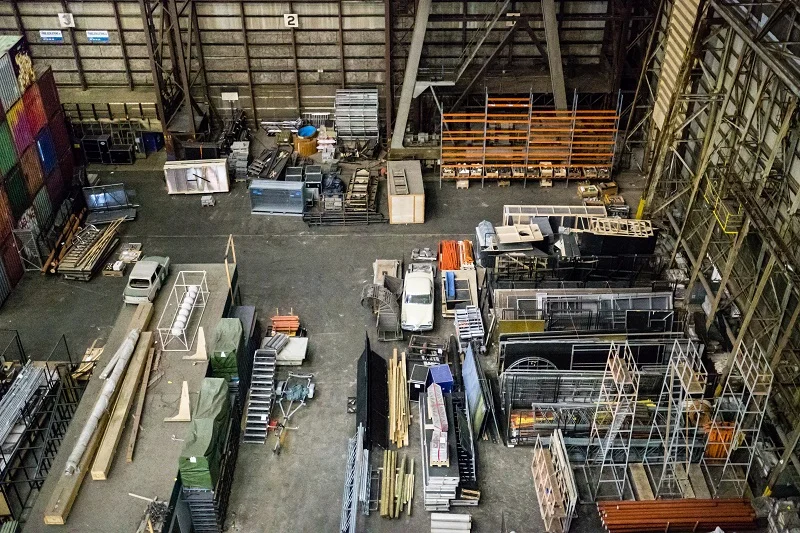
In Building 37, there was no rhyme or reason to the way materials were stored. These materials were stored for various processing lines, but there was no way to know what was being stored and where to find it. It was obvious something drastic had to be done.
The team developed a concept early in the week that made storage and retrieval of the materials more manageable and thought they could organize and store everything in one location, rather than all over the plant. They determined that they could use Building 37 for this purpose, but would need to make the building more visual and create some rules around storage of materials.
Creating Visual Organization
After many different layout suggestions, we came up with a scheme we thought would work. We decided we needed to move everything out of Building 37, in order to reorganize and line out the space in accordance with our new recommendations. We also realized that we would have to clean the floor and paint it to make it as visual as possible and easy for everyone to use and manage. Painting the concrete floor was something the team didn’t want to do. In the past, forklifts tore up the paint and the lines would be lost quickly. Instead, they did some research and found a company out of southern Georgia with a technology to stain concrete, rather than paint it. It seemed like this was a good option, so we placed a call with them to see if they could come and help us.
To our good fortune, they were willing to drop what they were doing and drive more than 4 hours to meet with us and do the work during the Kaizen week. We told them what we intended to do and the size of the building to be stained. They estimated 28 gallons of yellow concrete stain would do the trick.
All Hands on Deck
We spent many hours moving over 1100 pallets (2.3 million square feet) of ceiling tile out of Building 37 into the open air. We crossed our fingers that it wouldn’t rain overnight. After we moved all of the material out, we swept and scrubbed the floors. The whole team pitched in and we were almost finished before the concrete staining company showed up in the late afternoon. They helped us finish up and started going about their work.
Most of the team members had to leave by 6 pm that evening, so I volunteered to stay with the concrete staining company, who was busy doing their work. In the middle of it, they realized that 28 gallons of stain wouldn’t be enough. They placed a call and sent a runner down to the plant with more stain. The runner happened to be the wife of the owner, who had just put dinner on the table. She dropped what she was doing to help us.
Grievance to File
Around 7 pm, I was approached by a very tall and unhappy Pensacola employee, who happened to be in their workers’ union. He wanted to know what was going on. I explained that our Kaizen team was transforming Building 37 in a way that it would be safer and easier to find and retrieve materials for the production lines. He wasn’t happy with my answer. What he really wanted to know was why the union employees weren’t doing this work. I explained that our team decided concrete stain was the best way to line the floors, given the issues with forklift traffic, and since this technology and equipment wasn’t available in the plant, we had to utilize outside contractors. We wanted to keep this work in-house, but that option wasn’t available to us.
Again, he wasn’t happy with my answer, but really didn’t have a valid argument as to how the work could have been completed with existing Pensacola employees. So, he angrily stormed off, vowing to file a grievance. Around 10:30 pm, all the lines were stained into the floor, and the contractors were finished. I was happy to see them leave, as I needed my rest for the next day of the Kaizen.
Good Intentions, Great Results
We lucked out, there was no rain overnight, and we spent the morning putting everything back into Building 37, this time in a logical sequence and order for the materials to be easily found. The lines really helped, and to this day, the plant uses this system to keep materials organized for all of their production lines.
I never found out if the union employee filed a grievance, but even if he did, we had done the right thing for the plant with the best of intentions.

It's Better To Be Red Than Green
We have been taught that Red means stop and Green means go. In the context of Process Improvement, Red means that something isn’t performing as expected, and Green means everything is OK. But is it?
We have been taught that Red means stop and Green means go. In the context of Process Improvement, Red means that something isn’t performing as expected, and Green means everything is OK. But is it?
Most people don’t want to admit their process is Red, and will typically report things are Green. The problem is that they are missing an opportunity to get help before a small problem becomes a big problem. So, they go along thinking “I got this, it’s going to be OK” and report as Green, until “uh oh, it’s not going to be OK” and they need help to get things back on track. At this point, it is either too late, or extremely costly to get things back on track.
We should encourage people to report Red. We should make it simple and non-threatening to ask for help. I heard one company say, “We rally to the Red”. I believe that this is a great approach. It means that they see Red as a call to action, a call for help. It doesn’t feel like a personal failure if someone reports that their project is Red. It’s everyone’s priority to help get things back to Green. Imagine how much wasted effort and cost could be avoided if people were able to expose issues sooner and get help to resolve those issues.
Before founding Process Improvement Partners LLC, I worked with a testing facility that was required to achieve a number of monthly goals. Working with the leader of the facility, we established owners for each of the approximately 25 distinct operating and storage areas in the facility. The Area Owners were responsible for the monthly goals in their area and were required to report the status of the compliance of their area. Area status was Red until all monthly goals were met. The aim was to achieve Green status before the end of the month. If the goal wasn’t met by the end of the month, the status would stay Red. More importantly, the facility was not fully compliant and it affected the performance and safety of those who worked there.
When we first implemented this new approach, the Area Owners were frustrated. They didn’t want to be Red. So, we incentivized the process. If we got all areas Green by the end of the month, we would buy everyone lunch. Once we did that, they began helping each other with each area, making sure that all requirements were met. They even challenged their peers, who would wait until the end of the month to complete the requirements. They wanted to be compliant earlier in the month. The process became fun, everyone pitched in, and the testing facility was the safest and most productive it had ever been.
The moral of the story? When we encourage our team to be honest about areas needing improvement, ask for help, and create solutions, the sooner we move our productivity and effectiveness to Green.