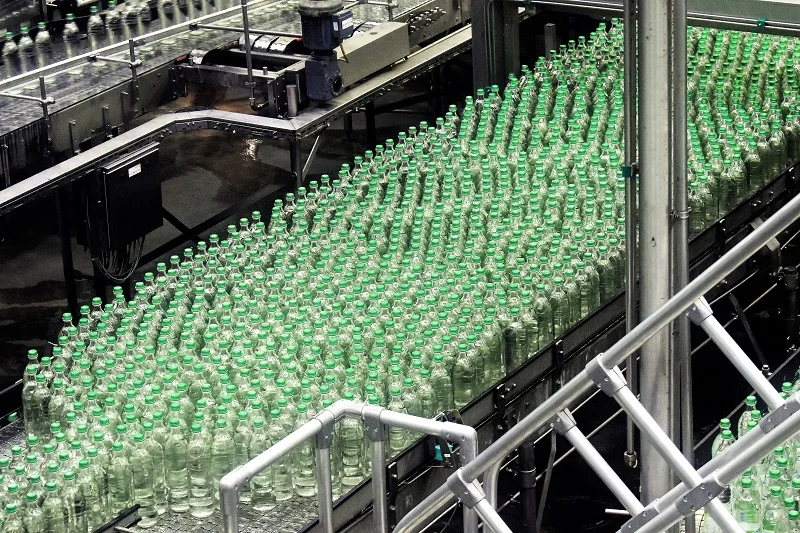
Process Improvement Partners was invited to help a gummy vitamin manufacturer reduce their changeover time. Walking through the process with the sponsor, we felt that we could attain a sustainable 50% reduction in time, while improving the safety of the process and engaging the team with a winning attitude.
Read MoreI worked more than 30 years for a multi-national company. During that time, I had the opportunity to help teams and solve problems all over the world, from the US to Europe to Asia. I worked in five distinct industries and had many roles, from engineering to operations to continuous improvement. I enjoyed most of what I did, but realized something was missing.
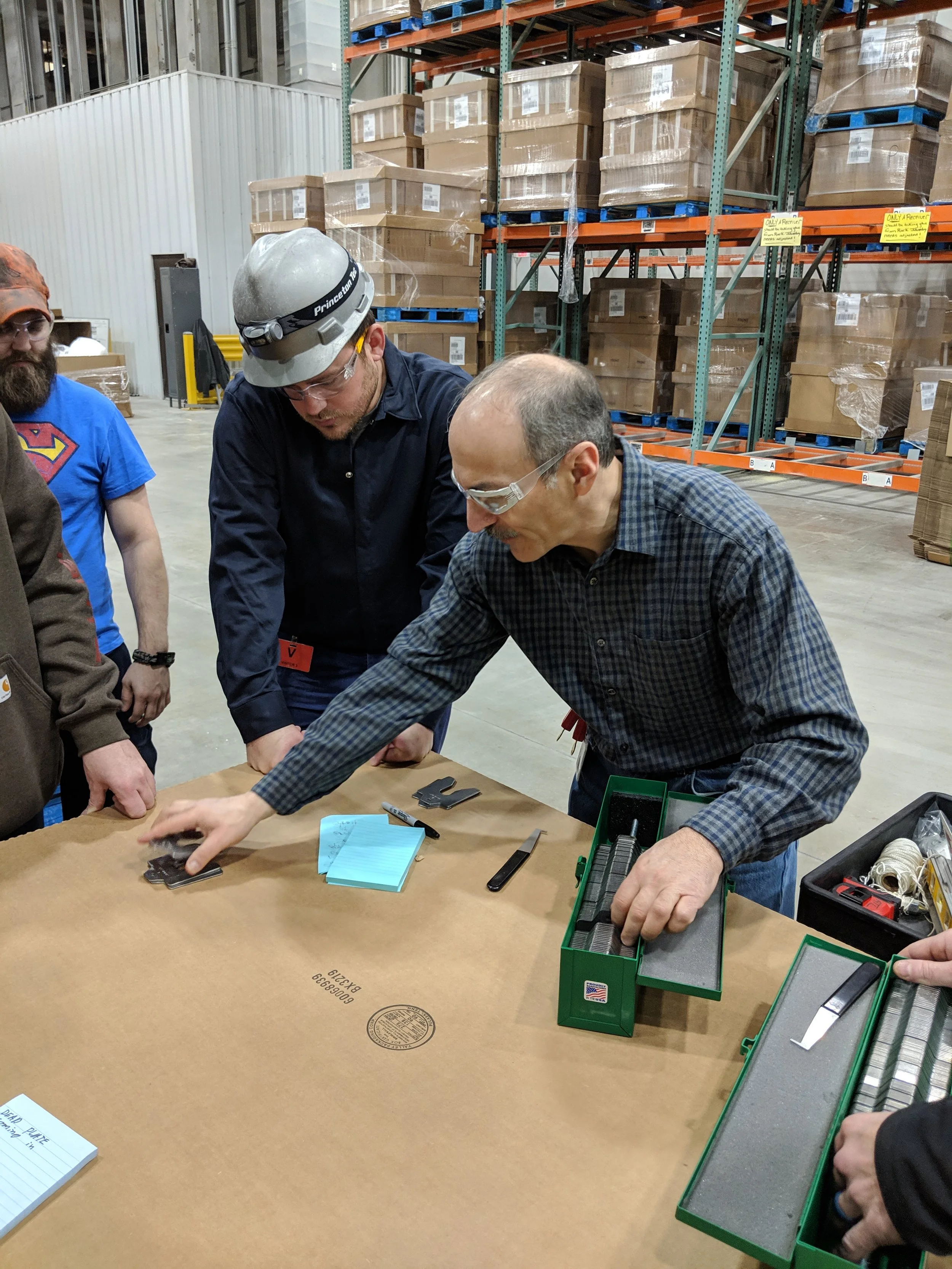
Read MoreIn 2010, I was helping a team in Hilliard Ohio simplify the method they used for changing over a production line from one product to another.
The team came up with many ideas to simplify things and make things safer and more efficient around the line, and it looked like they were well on their way to reducing the changeover time by more than 50 percent, which was one of the key objectives.
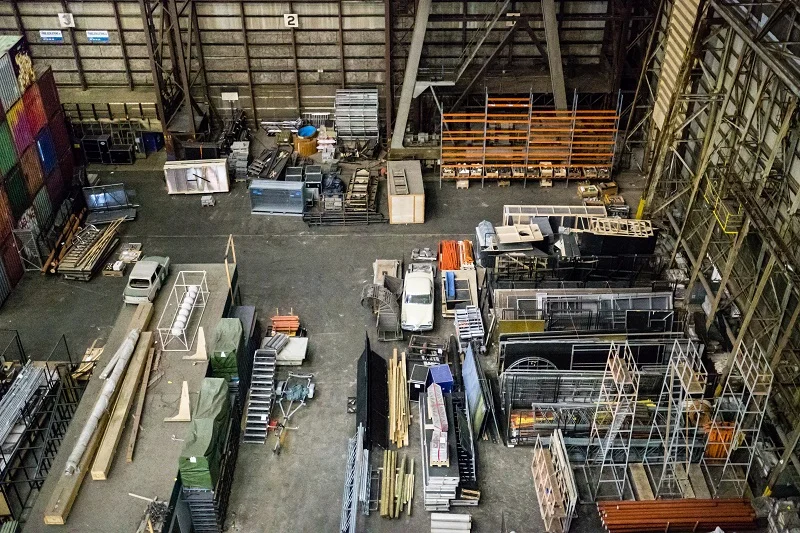
Read MoreIn 2011, I was asked to facilitate a Kaizen in Pensacola Florida. The problem to be solved was to improve material flow through the plant. Specifically, there were millions of square feet of goods in process, and items were getting lost, damaged, and generally causing confusion and chaos in the plant.
Read MoreIn all my years doing continuous improvement work, I worked with teams during Kaizen events of short duration, or influencing continuous improvement behavior daily. Never did I think I would be doing 6 months straight of Kaizen. That is, until the Armstrong Lockout.
Read MoreI started working for Thomasville Furniture out of college as an Industrial Engineer. Born and raised in Maryland and working in North Carolina, I was called “Yankee,” and I had to prove myself worthy every day. I felt like I was up for the challenge. My mother reminded me I was born south of the Mason Dixon line, but it didn’t seem to matter to North Carolina natives.
Read MoreProcess Improvement Partners was brought in to help a consumer goods manufacturer cut their changeover time (the time it takes to switch tooling and equipment over from one product to another) in half. By doing so, they would be able to reduce inventory and improve process performance.
Read MoreIn 2011, I was asked to assist a team in Pensacola, FL who wanted to improve processes in their distribution center. We were given four days to accomplish our task – reduce shipping damage by 50%. This was a tall order, but the team was up for the challenge.
Read MoreA global ceilings manufacturer wanted to improve the safety and productivity of its testing facility. Over the years, many capabilities had been added to the facility without regard to the needs of the technicians who worked there. Because of this and the lack of a managing system to ensure the organization and productivity of the facility, the technicians took it upon themselves to hold an annual “cleanup week” at the end of the year. All technicians would stop their project work and devote their time to go through equipment, materials, and spaces and clean out any clutter they felt they could get rid of.
Read MoreI have read many books on Lean, Six Sigma, and other Continuous Improvement methods over the years. Some inspired me, some frustrated me, and all made me think. The following 5 (and two honorable mentions) are my all-time favorites.
Read MoreOne of the benefits of being in business for yourself is to decide what’s most important to you and then prioritize your time to let you do what you are most passionate about.
Read MoreA Research and Development team wanted to create a three-year strategic plan. Their goal was to reduce the time it takes from a new product idea to launch of the new product. Many of the team members believed “you can’t schedule invention.” Working with the team leader, the Research and Development Director, we decided to focus on the work leading up to and supporting the invention, even if we couldn’t specify when an invention would occur. We agreed to use Value Stream Mapping as the approach to help the team accomplish their goals.
Read MoreAn engineered flooring plant in Kentucky was losing money. They knew their product yields were deteriorating and didn’t know what to do about it. Process Improvement Partners was invited for a site visit. After reviewing performance and discussing the issues with plant leaders in a meeting room, we took a Gemba Walk to see what was actually happening.
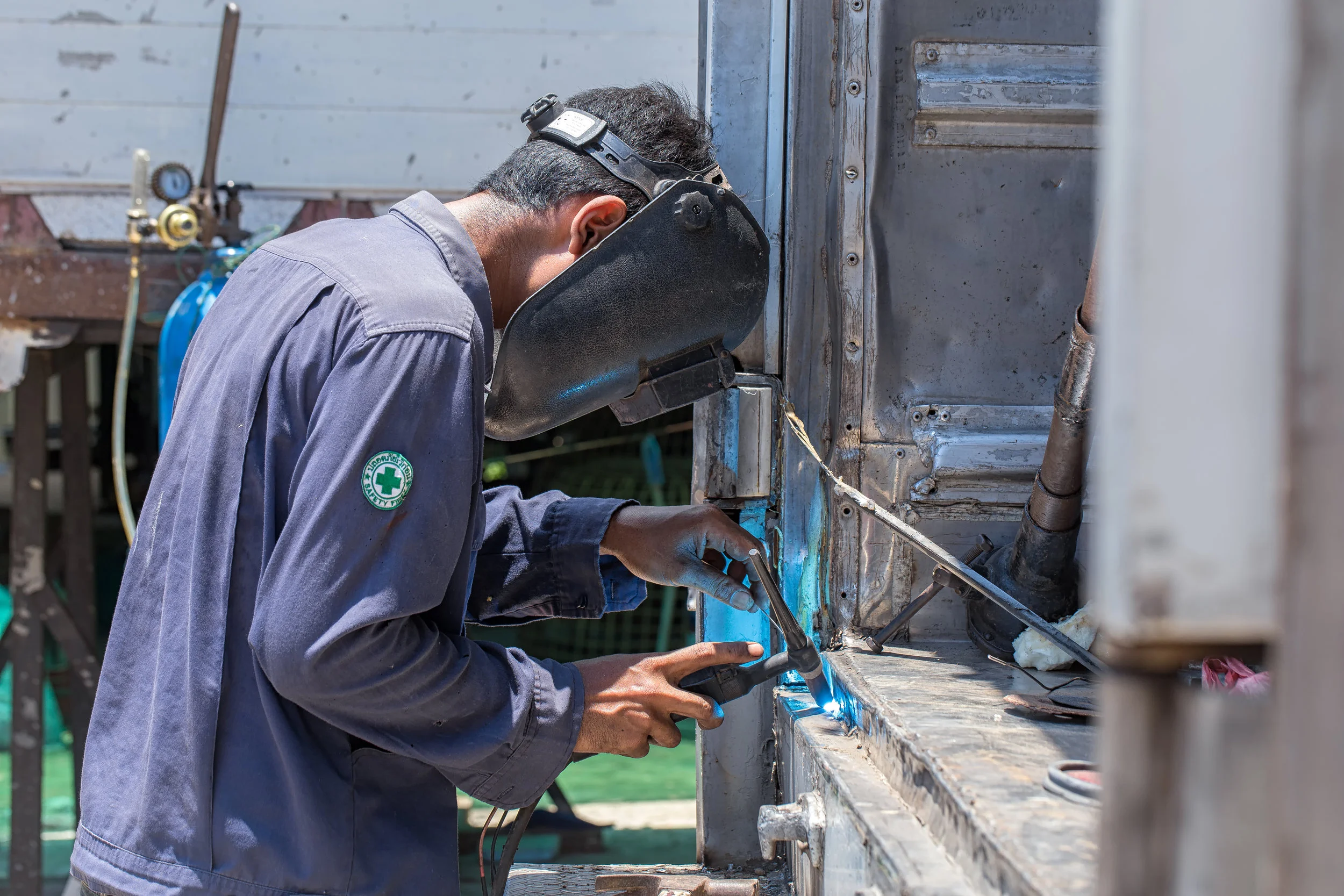
Read MoreI have conducted many workplace organization Kaizens (5S) over the years. The results have always been dramatic. All of the teams were made up of production operators or office workers, with some mechanics assisting the team. The production operators or office workers owned the areas needing organization and the mechanics were able to do some of the more complex tasks needed during the Kaizen. All of the teams, that is, until I met my Weld Shop team. Five mechanics and an engineer, who underestimated what we could accomplish.
Read MoreIn 2005, I was asked to help a team reduce the changeover time of a painting operation at a ceiling tile manufacturing plant in Oregon. The approach I used was SMED – Single Minute Exchange of Die. The goal was to reduce the existing changeover time by 50% or more, while improving the safety of the work.
Read MoreHave you ever watched an auto race? If so, you probably noticed what happens when a car enters Pit Row and is tended to by a whole team of people trying to get it back on the track as fast as possible. If you wondered how they knew what to do and how they didn’t get in each other’s way, the answer is SMED.
Read MoreMany years ago, I was having difficulty getting my mind straight about a problem that I wanted to solve. A co-worker of mine introduced me to a thing he called a “Task Cycle”. Once I understood it, I had a simple way to go about solving problems and executing tasks.
Read MoreWe are all customers. We want what we want, when we want it, at the level of quality we expect, in the proper quantity. We are the final say as to whether a business will thrive, survive, flounder, or die. The business must deliver to our expectations, or we will not continue to purchase products or services that they offer.
Read MoreMost people don’t like being told what to do. They definitely don’t want to be told how to do it. But, with proper standardized work, we can show people the right way to do things and free their minds to work on more complex problems that they face.
Read MoreThe customer defines value for any product or service. If they aren’t willing to pay for something, it has no value to them. In the terminology of Lean, anything that doesn’t directly provide value to the customer is called “waste”. Further, there are eight specific types of waste.
Read More