
Helping you grow your profits through sustained process improvement
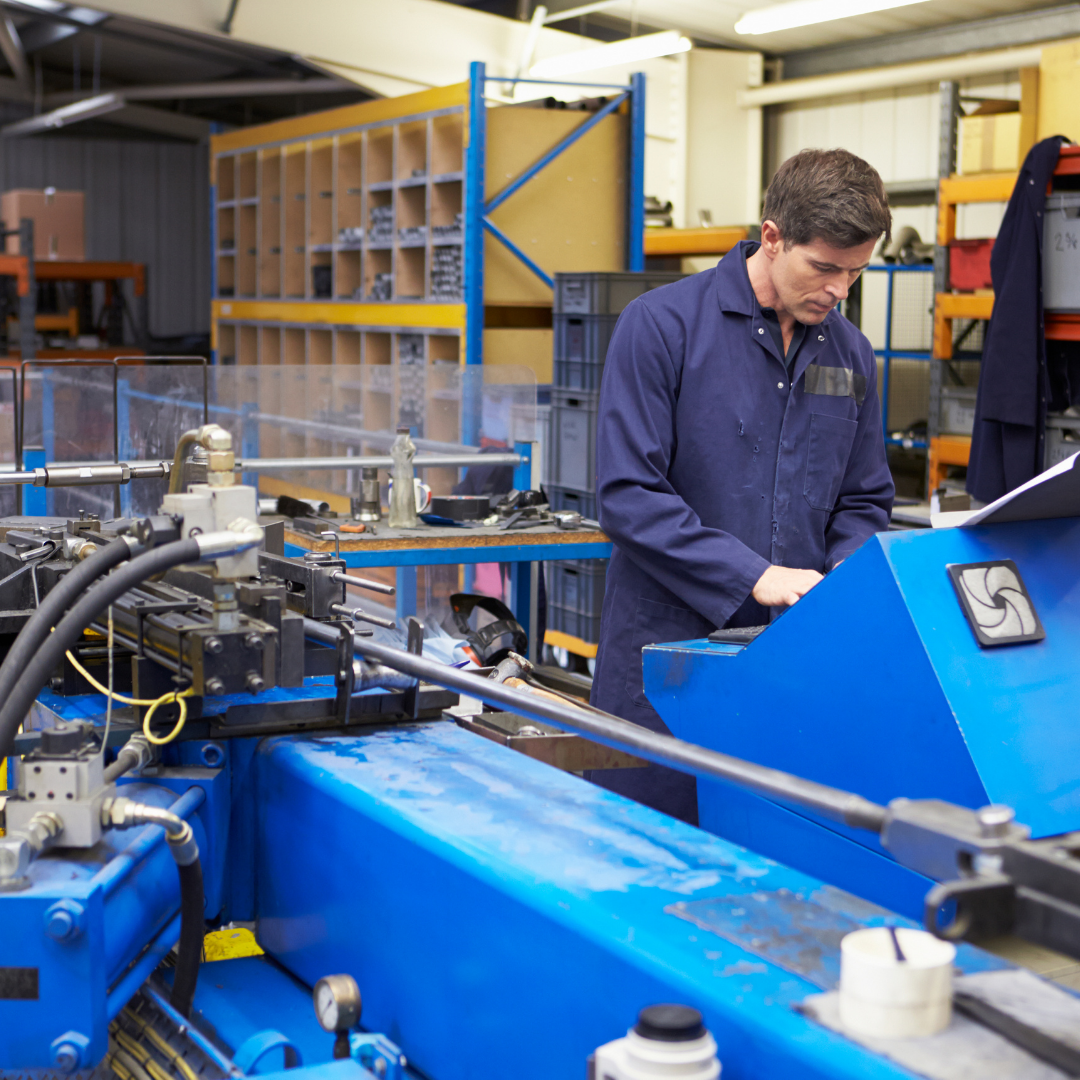
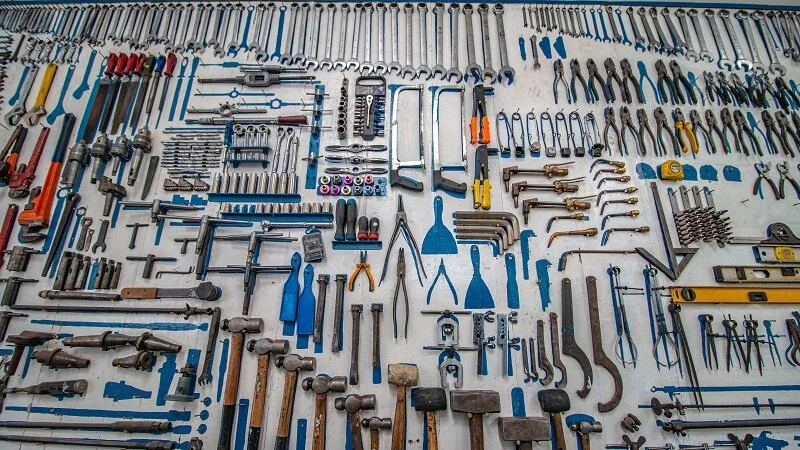
Process Improvement Partners photo from inside a clients manufacturing company.jpg

Kaizen Success Stories

Stories of Leadership, Lean, and Learning

Posts in Learning
How do you measure knowledge?

If you produce a physical product, it’s easy to see things being created. You can count them, measure them, and identify the cost to produce them. But what happens when you create knowledge or a new product idea. How do you measure your output? More importantly, how do you measure your effectiveness and identify when you need help?

Read More


Words Matter

Training and Review is the second spoke on the Wheel of Sustainability. The basis for Training and Review is Training Within Industry, which was developed at the onset of World War II to quickly train inexperienced workers to produce all the necessary armaments and supplies in support of the war effort. It’s one of the reasons the US and its allies won the war.

Read More
The Vortex

Sometimes we don’t see what’s right in front of us. We just do what we do and deal with the problems that inevitably arise.

I facilitated a Kaizen event for a non-profit. Contributions were declining significantly. After taking a Gemba walk through the process, we identified the need to improve donor engagement. It was taking up to two months to acknowledge the highest value donations. No wonder donors were leaving in droves. Recognition was slow and not meaningful.

Read More
The Five Whys

The Five Whys is a method that can be used to understand why a change isn’t being followed. It helps you get to the root cause of any resistance or problem you observe. If you find someone doing something in a non-standard manner, ask why until you get to their motivation for doing it differently. It may take five or more whys. It could take less. Here’s a sample conversation:

Read More
Saving Is Not Saving

We were building a ceiling tile manufacturing plant in Russia. Like most projects, the engineering team was directed to save money, as long as it didn’t negatively impact safety or productivity. As most were unfamiliar with doing business in Russia, they used their experience with known vendors to acquire equipment for the plant. If there wasn’t enough capacity to fill equipment needs, the project team worked with local consultants to identify the “best” options for equipment purchases.

Read More
Attention to Detail

In 2007, I moved my family across country to take a new role as Production Manager for a ceiling tile plant in Oregon. The plant had a strong team-based culture. People genuinely wanted to help each other work in as safe and productive manner as possible. It wasn’t unusual to see the Plant Manager on the factory floor, assisting the technicians with their work or helping them stay safe.

Read More
Let’s See How Things Go

During my tenure as Production Manager at a ceiling tile plant in Oregon, I implemented strict rules around changeovers: No one is allowed in the breakroom during a changeover without Team Manager approval; Everyone is available to help during the changeover; Everyone is at their stations when the line is ready to start up; One Best Way changeover procedures are followed to the letter. No deviations. The procedures were developed by the technicians. There was no reason not to follow them.

Read More
This Stuff Works

At a gummy vitamin manufacturer in Pennsylvania, I was asked to facilitate a team of mechanics responsible for supporting and maintaining the manufacturing operation. They had difficulty keeping their maintenance area compliant with strict food production regulations. Our goal was to develop a system to guarantee compliance, while improving their ability to service their customers.

Read More
It’s Better to Beg Forgiveness than Ask Permission

In 1998, I was invited to Hoogezand, the Netherlands, to help a team make improvements to their ceiling tile production line. Little did I know it would be the longest Kaizen event in my life. I had been to the plant three months before and identified significant changeover time reduction potential. It was time to put my money where my mouth was. In advance of the trip, we identified members of the team and the need for an interpreter. I didn’t speak Dutch and still don’t. We’d have two weeks to work on the line and were to coordinate with the Production Manager any time we needed to shut the line down to work on or test the equipment.

Read More
Let It Go

In 2010, Armstrong World Industries emerged from bankruptcy. A minority stake of the company was bought by a private equity firm. This firm knew there were many improvement opportunities and brought in consultants to help create a culture of continuous improvement across the global organization. Their approach was to hold many Kaizen events on a weekly basis, exposing as many people to the principles of Lean as quickly as possible.

Read More
Recognize the Effort, Not the Results

When teams start working on a problem, they are often given the freedom to choose their own solution path, and it may not be anything like you were anticipating. I learned many years ago every time I tried to predict what a team was going to do; I would be wrong. They typically beat anything I could come up with. So, I decided to stop trying to guess and shifted my focus to helping them accomplish as much as was possible during the short time of the Kaizen event. To do this, I had to come up with creative ways to encourage them. Some ways were silly, some were formal, but they always seemed to remember the recognition. Here are two examples…

Read More
Understanding is Critical

In February 2020, Process Improvement Partners was asked to facilitate a strategic planning session in Montreal for a global consumer products company. Having facilitated multiple Kaizen events where English is not the primary language, we set about to design an event that would incorporate additional translation time and resource effort for the event. Normally, this type of session takes three days. Even though we were told that most participants were bi-lingual, we aligned with the sponsor and leader and added four hours to the event plan.

Read More
Trust, but Verify

In 2005, I was asked to be part of a team to help Armstrong’s Mobile Alabama ceiling tile plant improve their performance. Production output had steadily declined over the first few months of the year, and they were well behind budget. The team was tasked with identifying and implementing improvements to the operation that would drive performance back to budget for the full year. The team leader called the effort a “Full Court Press”, meaning we would not give up until we accomplished our mission.

Read More
The Strength of Ownership

My focus in continuous improvement has always been to help teams solve problems in a sustainable way. Early on in my career, I learned many facilitation techniques through trial and error, mostly error. One of the biggest errors I ever made during a Kaizen event was to be too directive with a team. When one of the team members said, “Adam wants us to do this…,” I knew I was in trouble.

Read More
Ownership at the Right Level

I was Lean Champion for the global technology team at Armstrong World Industries for many years. During that time, I supported teams of technicians, scientists, engineers, project managers, and the leadership team across four different departments.  I had the good fortune to assist teams in their efforts to develop and launch new products, deploy capital equipment, and build factories all over the world. All departments had access to the Pilot Plant to support their efforts when necessary.

Read More